Mazda Unveils an Exciting Future
Mazda 2026-05-19 by RAI STAR
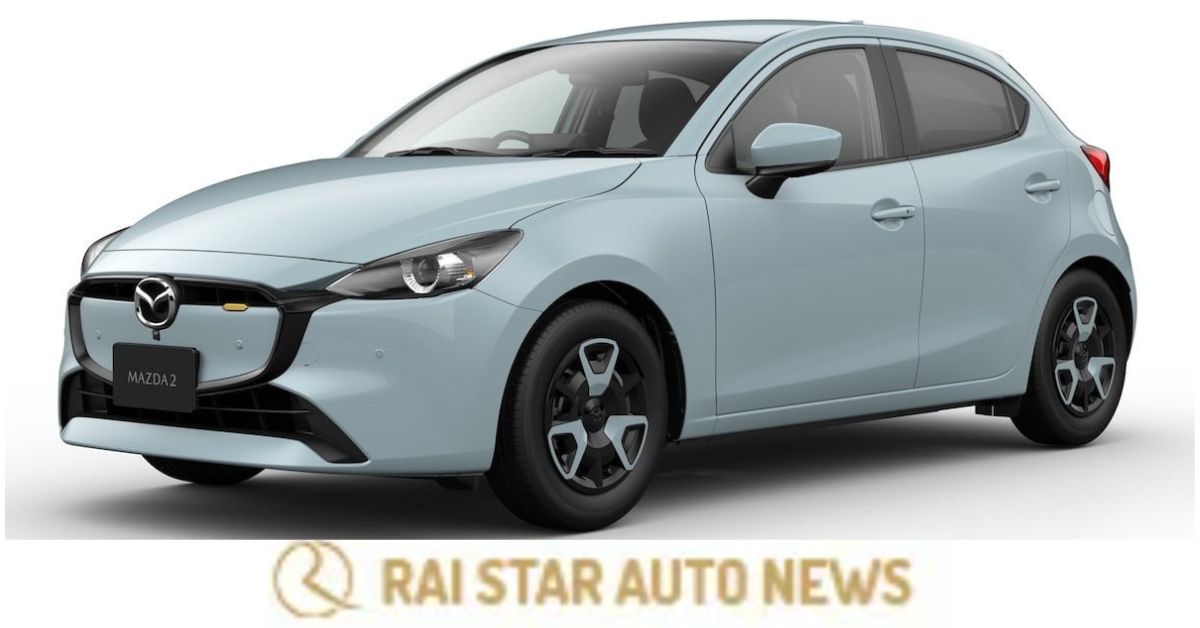
Mazda2 Production Ends as Mazda Shifts Focus to the Next-Generation CX-3
Mazda2 production ends, marking the close of an important chapter in Mazda’s small-car history and the beginning of a new compact SUV era. After nearly 30 years of serving drivers who wanted an efficient, practical, and stylish city car, the Mazda2 is set to make way for the next-generation CX-3, which is expected to launch in Japan in 2027.
This move is more than a routine model update. It reflects a major shift in customer demand, especially in the B-segment, where more buyers now prefer compact SUVs over traditional hatchbacks. As a result, Mazda is aligning its future lineup with changing market trends and focusing on the body style customers increasingly want.
A Proud Legacy of the Mazda2
The Mazda2 has a long and respected history. First introduced in 1996 as the Mazda Demio, it quickly became known as a smart and dependable compact car. It appealed to city drivers, small families, and budget-conscious buyers looking for a practical everyday vehicle.
Over time, the model evolved through several generations. It moved beyond basic transportation and became a well-rounded hatchback with stronger styling, improved engineering, and a more refined driving experience.
The current fourth-generation Mazda2, launched in 2014, represented a major step forward. It introduced:
- SKYACTIV TECHNOLOGY
- Mazda’s KODO – Soul of Motion design language
- Improved fuel efficiency
- Better handling and agility
- A more premium cabin feel for its class
These qualities helped the Mazda2 remain relevant for years, even as competition in the compact segment intensified.
Why Mazda2 Production Ends Now
The main reason Mazda2 production ends is simple: customer preferences have changed.
During Mazda’s financial results presentation on May 12, 2026, President and CEO Katsuhiro Mogami explained that Japan’s B-segment market is increasingly moving toward SUVs. Buyers now want vehicles that offer:
- Higher ride height
- Better visibility
- Flexible cargo space
- A stronger lifestyle appeal
- Everyday versatility for mixed urban and family use
Traditional hatchbacks still have value, but the demand for compact crossovers is growing much faster. Mazda has clearly recognized this trend and is adapting its strategy accordingly.
In many markets, compact SUVs are now seen as the ideal balance between size, comfort, style, and practicality. That makes the Mazda2’s departure feel less surprising and more like a natural business decision.
Mazda’s SUV Strategy for the Future
Mazda’s decision to retire the Mazda2 is part of a broader long-term plan. The brand is looking ahead to 2030 with a stronger focus on innovation, customer expectations, and category growth.
How Mazda2 Production Ends Fits Mazda’s Bigger Vision
Mazda is not simply removing a car from its lineup. Instead, it is repositioning itself in one of the most competitive and profitable vehicle segments.
This strategy shows that Mazda wants to strengthen its presence in areas where buyer demand is strongest. Compact SUVs continue to perform well globally because they offer a blend of:
- Urban-friendly dimensions
- Elevated driving position
- Practical interiors
- Modern styling
- Multi-purpose usability
For Mazda, replacing the Mazda2 with a next-generation CX-3 creates an opportunity to stay competitive while building on the brand’s reputation for design and driving enjoyment.
Next-Generation CX-3: What to Expect
The next-generation CX-3 is expected to become Mazda’s new answer to rising demand in the compact SUV segment. Scheduled for launch in Japan in 2027, the model is reportedly being developed in Thailand and will likely play an important role in Mazda’s future product strategy.
Mazda2 Production Ends and the CX-3 Takes Its Place
As Mazda2 production ends, the new CX-3 is expected to carry forward many of the strengths Mazda drivers already appreciate, including:
1. Striking Mazda Design
Mazda has built a strong identity around clean, elegant, and dynamic styling. The next CX-3 is likely to continue that approach with a modern SUV shape that feels premium and athletic.
2. Driver-Focused Performance
Mazda vehicles are known for engaging handling. Even in SUV form, the new CX-3 is expected to deliver a responsive and enjoyable driving experience.
3. Everyday Practicality
Compact SUVs are popular because they are easy to live with. Buyers can expect a practical cabin, flexible storage, and a comfortable ride for daily commuting and weekend travel.
4. Compact SUV Versatility
The new CX-3 should appeal to a wide range of buyers, from urban professionals to small families who want more space and utility without moving into a larger SUV class.
What This Means for Mazda Buyers
For many loyal fans, the Mazda2’s departure may feel emotional. It has been a reliable and familiar model for decades. However, Mazda appears confident that today’s drivers are ready for something different.
Why Buyers May Welcome the Change
The switch from hatchback to compact SUV brings several possible benefits:
- Better road visibility
- Easier entry and exit
- More luggage flexibility
- Greater lifestyle appeal
- A more modern market fit
Drivers who once would have chosen a compact hatchback are now often considering crossovers instead. Mazda’s new direction is designed to meet those expectations.
For shoppers who value style, practicality, and a slightly elevated driving experience, the upcoming CX-3 could become a very attractive option.
Mazda2 Legacy in the Compact Car Segment
Even though Mazda2 production ends, its impact on Mazda’s lineup should not be overlooked. The car helped shape Mazda’s reputation in the small-vehicle category and introduced many drivers to the brand.
The Mazda2 stood out because it offered more than basic transport. It gave owners:
- Good efficiency
- Dependable everyday usability
- Crisp design
- Enjoyable handling
- Strong value in a competitive class
That legacy matters. The Mazda2 may be leaving production, but its influence will likely carry into future Mazda models, including the next-generation CX-3.