







Similar Posts
Toyota Alphard and Vellfire Dominate the Luxury Minivan Market with Unmatched Comfort
ByPawaniAlphard and Vellfire 2024.09.05(TOYOTA GR COROLLA) by RAI STAR In the world of luxury automobiles, few vehicles have captured the hearts and minds of consumers quite like the Toyota Alphard and Vellfire. Since their recent full model change in June 2023, these minivans have been flying off the shelves, despite their price tag exceeding 5…
Toyota Unveils the Luxurious Alphard/Vellfire Redefining High-End Minivans with 4th Generation Upgrade
Toyota, the renowned automobile manufacturer, has taken the automotive world by storm with the highly anticipated debut of its new Alphard/Vellfire model. Officially unveiled on June 21, 2023, the Alphard/Vellfire is set to redefine the concept of luxury minivans, capturing the attention of enthusiasts and critics alike.
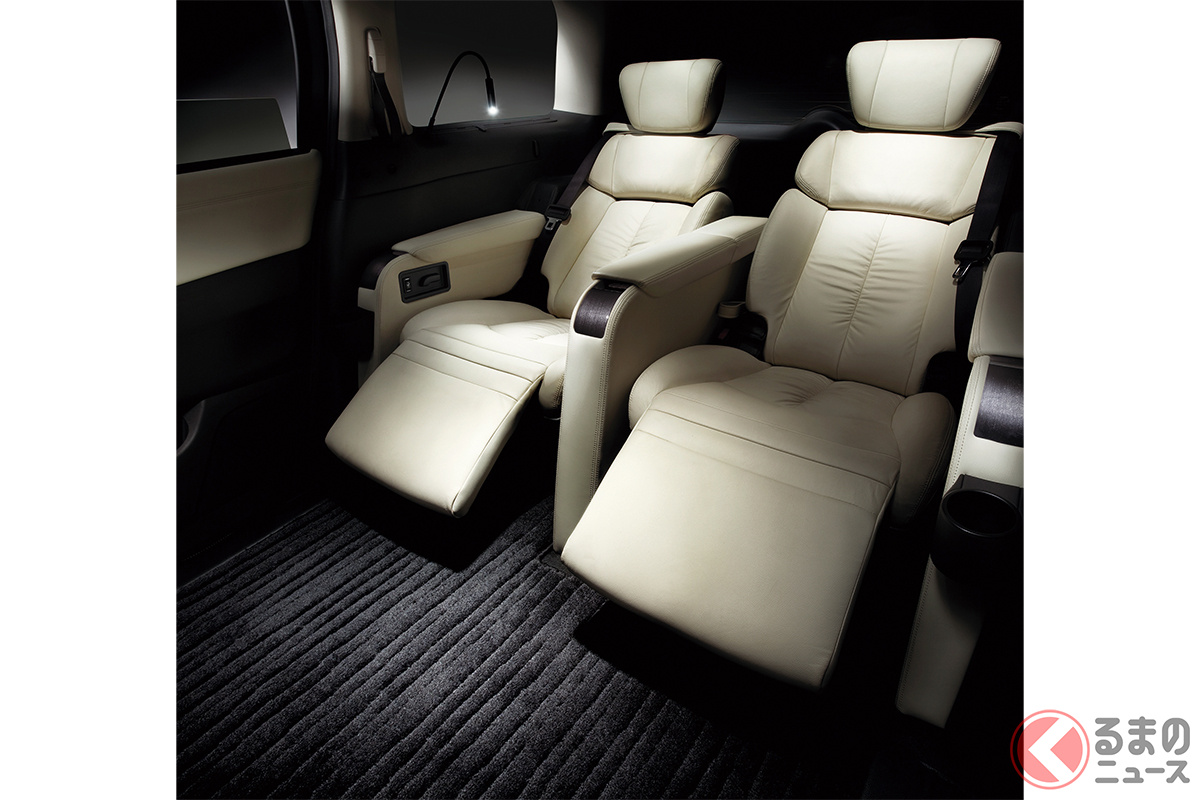
The Vellfire, often regarded as the epitome of opulent minivans, has undergone a significant transformation, solidifying its position as a top-tier high-end model. Toyota has gone above and beyond to ensure that the new Vellfire surpasses all expectations, providing passengers with an exceptional level of comfort and style. One notable feature of the Vellfire is the introduction of a luxurious tan leather interior, exclusive to this model and not available in the Alphard.
The Alphard first entered the scene in 2002 as Toyota’s premier minivan, catering to luxury-oriented customers during the height of the minivan boom. In 2008, Toyota introduced a fully remodeled second-generation Alphard while simultaneously giving birth to the Vellfire, designed to appeal to those seeking a more individualistic approach. This latest iteration represents the fourth generation of the Alphard and the third generation of the Vellfire.
Toyota has expressed its vision for the new Alphard and Vellfire, aiming to create a space that fosters consideration and appreciation among all occupants, whether they’re in the driver’s seat or enjoying the backseat. Referred to as “the happiness of comfortable travel,” this philosophy has been ingrained in the development process, preserving the essence of Toyota’s values passed down through generations.
To achieve “the happiness of comfortable mobility,” Toyota has focused on sublimating performance to meet global standards, using the TNGA platform (GA-K) specifically optimized for minivans. The Alphard/Vellfire will embody enhanced performance and a superior driving experience. Each model will retain its distinct personality, with the Vellfire gasoline engine variant featuring a high-output 2.4-liter in-line 4-cylinder turbo engine and additional special body rigidity parts that enhance its unique character.
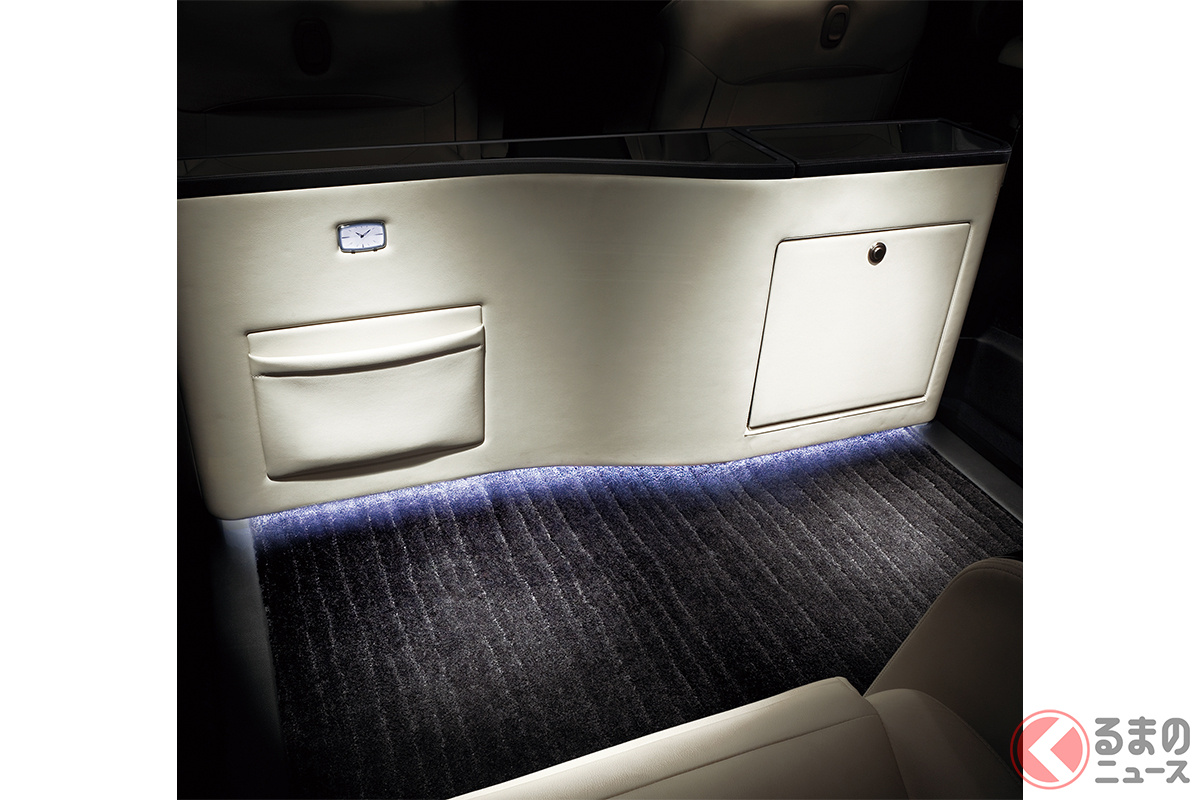
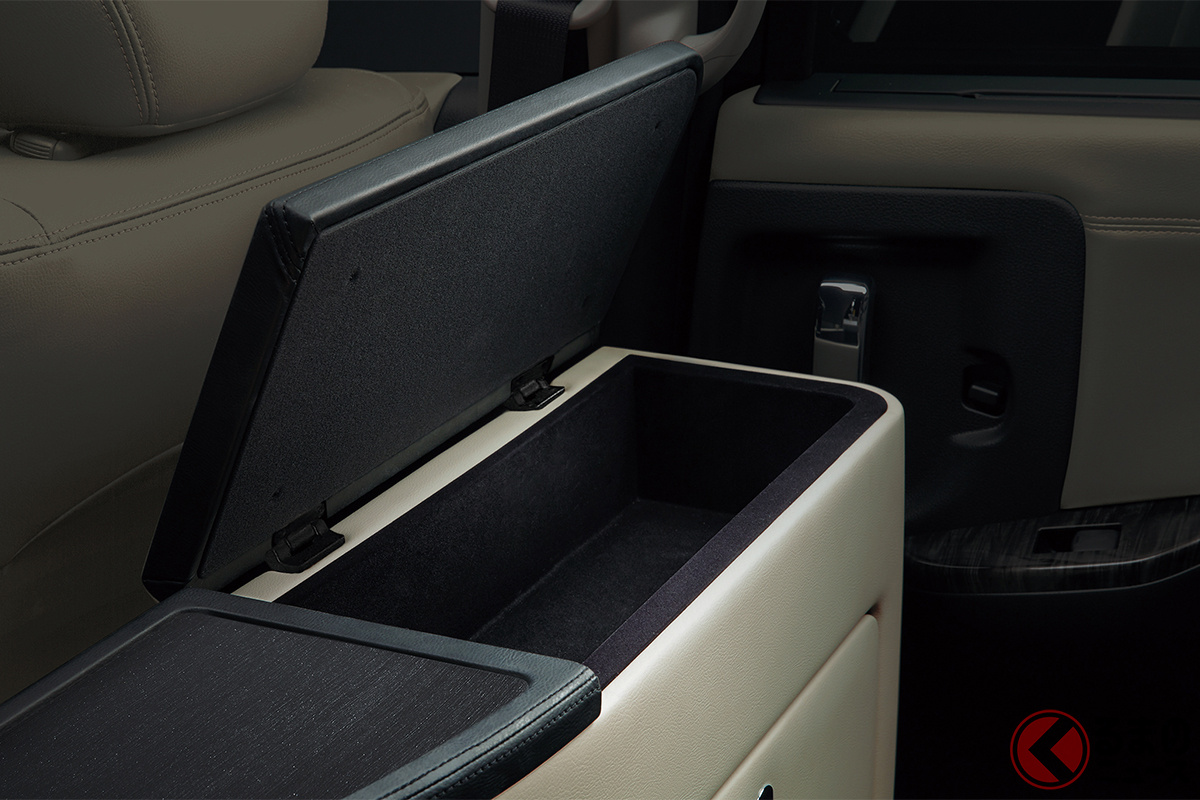
The new Vellfire, positioned as a high-end model, boasts a base grade price of 6.55 million yen, surpassing the base grade price of the new Alphard (excluding the Welcab) at 5.4 million yen. Toyota has meticulously designed the Vellfire’s interior, setting different design goals for the front and rear seats. The front seat layout combines dynamic left and right movement with a robust console, creating a cruiser-like cockpit that envelops the owner in utmost comfort. At the rear, various functions such as lighting, switches, and air conditioner outlets have been integrated into the center of the ceiling, evoking a sense of elegance and refinement reminiscent of a luxury cruise experience. These interior features are shared with the Alphard, but the Vellfire sets itself apart with its unique color options.
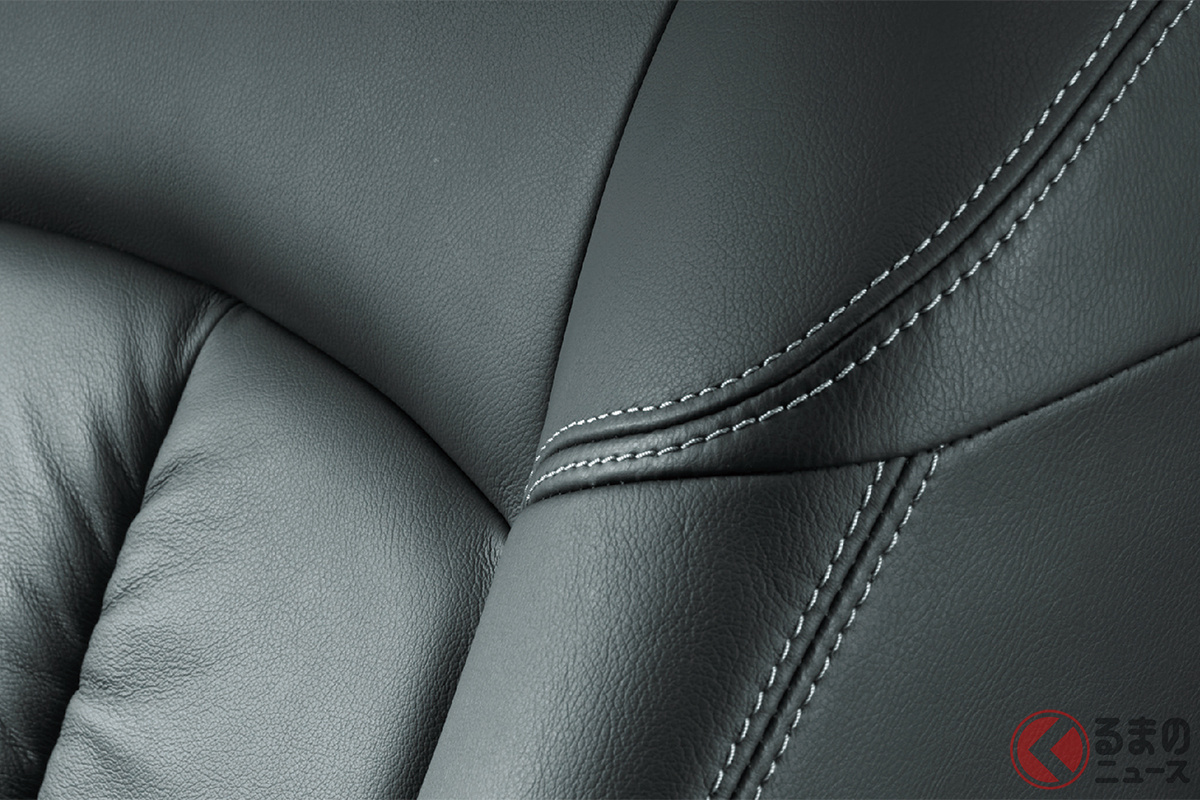
While both the Alphard and Vellfire offer a black interior, the Alphard offers a neutral beige color that the Vellfire does not possess. In contrast, the Vellfire boasts the captivating “Sunset Brown” interior, exuding a calm and luxurious ambiance absent in the Alphard. The sunset brown interior complements the wood and black panels, creating a level of quality comparable to that of European ultra-luxury cars. For those seeking an added touch of luxury, the optional “pillar light” set enhances the ambiance, transforming the interior into a magnificent “luxury lounge.”
It is worth noting that the Vellfire’s interior color, Sunset Brown, does not incur any additional cost, allowing users to enjoy a truly luxurious and fashionable atmosphere. Discerning customers looking to elevate their driving experience to new heights can opt for the Sunset Brown interior, further accentuating the elegance of their minivan.
With the debut of the new Alphard/Vellfire, Toyota has raised the bar in the luxury minivan segment, setting a new standard for performance, comfort, and style. The Alphard/Vellfire represents the culmination of Toyota’s dedication to crafting vehicles that provide the utmost satisfaction to its discerning customers, making it a top choice for those seeking unparalleled luxury in their minivan experience.
Exclusive Positive Outlook15 Years On Nissan Skylines Crossover
ByPawaniIn the ever-evolving world of automotive innovation, Nissan’s Skyline has been a beacon of resilience and progress. With its rich history dating back many decades, the Skyline has consistently pushed boundaries and captured the hearts of car enthusiasts worldwide. In this article, we delve into the intriguing story of the Nissan Skyline Crossover and explore the potential future of this iconic model.
A Bold Beginning
The Nissan Skyline Crossover, known as the J50 type, made its debut in 2007 as the “EX.” Originally designed for North America under Nissan’s luxury car channel “Infiniti,” this compact premium SUV aimed to combine the handling and ride comfort of the famed G35 (V36 Skyline) with a 3.7-liter V6 engine, mated to a 7-speed AT.
The initial reception was positive, with praise for its interior quality and performance. However, when the model arrived in Japan in 2009, it faced some challenges. It offered limited rear-seat and cargo space for an SUV and was exclusively available with a 3.7-liter engine, leading to high vehicle tax and poor fuel efficiency. Competing in the same class as the more affordable Murano (which also had a 2.5-liter version), the Skyline Crossover struggled to gain traction in the Japanese market. Even the 2WD models came with a hefty price tag, ranging from 4.2 million yen to 4.725 million yen, making it a tough sell. Domestic sales ultimately ceased in 2014, marking the end of a short-lived era for the Skyline Crossover.
What Went Wrong?
The five-year run of the Skyline Crossover was a departure from the model’s storied history. Some automotive enthusiasts speculate that introducing a lower-priced 2.5-liter V6 gasoline engine variant, similar to one sold exclusively in China at the time, could have altered the outcome. The automotive landscape has evolved since then, with domestically produced crossover SUVs now commanding prices ranging from the late 3 million yen to around 5 million yen. If the Skyline Crossover had launched 15 years later, it might have been better positioned to thrive in today’s market.
Nissan’s discontinuation of the Murano in Japan, coupled with the rise of mid-sized SUVs like the “X-Trail” as the new flagship model, serves as a reminder of the changing tides in the industry. The failure of the Skyline Crossover was undoubtedly a bitter pill for Nissan to swallow.
Infiniti QX55: The Potential Successor
In a world where luxury crossover SUVs are currently en vogue, Nissan recognizes the importance of staying relevant. Infiniti, Nissan’s luxury division, already boasts a lineup of sizable crossover SUVs, including the QX50, QX55 (a coupe SUV), and the QX60 (a three-row SUV). With the Skyline (V37 type) now a decade old, the industry eagerly anticipates a successor.
Some industry experts speculate that Nissan might leverage the existing Infiniti SUVs, rebranding them under the Skyline name to introduce the new Skyline Crossover. The recent success of models like the Crown Crossover and Crown Sport has heightened this possibility.
A Glimpse of the Future
In a rapidly changing automotive landscape, Nissan faces significant challenges. The discontinuation of sedans like the Cima and Fuga in 2022 leaves only the Skyline remaining in Nissan’s sedan lineup. Questions linger about whether the next Skyline model will indeed materialize.
In response to reports in 2021 suggesting the cancellation of the next Skyline’s development, Nissan Vice President Asako Hoshino emphatically stated, “We will not give up on the Skyline.” For many, the Skyline represents more than just a car; it’s a source of inspiration and nostalgia.
As Nissan continues to regain momentum with a flurry of new model launches, the future of the Skyline remains uncertain yet hopeful. In an industry defined by innovation and adaptation, Nissan’s determination to uphold the legacy of the Skyline is a testament to the brand’s enduring spirit. Car enthusiasts around the world eagerly await the next chapter in the storied history of the Skyline.
Toyota Prius Dominates with 3rd Consecutive Victory as Japan’s Car of the Year
ByPawaniIn a triumphant moment for hybrid vehicle enthusiasts, the Toyota Prius has once again claimed the coveted title of “Japan Car of the Year.” This marks the third time in 14 years that the pioneering hybrid vehicle has received this prestigious award, solidifying its position as a trailblazer in the automotive industry.
The Prius, which made its debut in 1997, was the first hybrid vehicle to hit the market, revolutionizing the automotive landscape. The first-generation model earned the “1997-1998 Japan Car of the Year” title, and the third-generation Prius, introduced in 2009, secured the “2009-2010 Japan Car of the Year” accolade. Now, with its fifth-generation model, the Prius has once again clinched the top spot as the “Car of the Year.”
The executive committee of the Japan Car of the Year praised the Prius for its groundbreaking advancements in hybrid technology. The committee noted that the Prius has transitioned into a new phase with its fifth generation, moving beyond being merely a symbol of hybrid innovation. The development team’s passion and commitment to creating a beloved vehicle were highlighted, as they aimed not only for a clean car but also for one that would be cherished by drivers.
A notable transformation in the Prius’s design has been observed, departing from the previous emphasis on aerodynamic performance. The latest model showcases a stylish monoform design, with a slightly inferior Cd value compared to its predecessor. However, by reducing the frontal projected area, the Prius has successfully maintained the CdA value at the same level as the conventional model.
Critics and enthusiasts alike have applauded the Prius for its lower center of gravity and longer wheelbase, contributing to a significant improvement in dynamic performance. The result is the most agile and accurate Prius to date, providing a sporty driving experience that sets it apart from its predecessors.
In addition to the Toyota Prius winning the “Japan Car of the Year” award, other notable recognitions were bestowed upon outstanding vehicles. The Import Car of the Year went to the BMW X1, the Design Car of the Year was awarded to the Mitsubishi Delica Mini, and the Technology Car of the Year went to the Nissan Serena.
The top 10 cars of the 2023-2024 Japan Car of the Year were also announced, featuring a diverse selection of vehicles, including the Subaru Crosstrek, Toyota Alphard/Vellfire, Nissan Serena, and Honda ZR-V, among others.
The Toyota Prius’s latest triumph reinforces its position as a leader in hybrid technology and a beloved choice among environmentally-conscious drivers, marking another milestone in its illustrious history.
The Skyline is Nissan’s only sedan model, and its value as a traditional premium sedan has been enhanced with a higher quality interior and advanced driver assistance systems
The Skyline is Nissan’s only sedan model, and its value as a traditional premium sedan has been enhanced with a higher quality interior and advanced driver assistance systems. The current model will undergo a big minor change in 2019 and is equipped with two types of 3-liter V6 twin-turbo engines: a high-output 400R type and a standard type. It is also scheduled to undergo another upgrade in 2022.
Toyota “bZ4X”, Sumitomo Riko’s anti-vibration rubber and sound-insulating products adopted
“Toyota “”bZ4X”” Adopts Sumitomo Riko’s Anti-Vibration Rubber and Sound Insulation Products June 14, 2022, 5:45 p.m.
Toyota bZ4X product equipped eAxle mounts. The three points in the front are for the rear and the three points in the back are for the front: stabilizer bushings (upper left), suspension bushings (upper right), coil insulator (lower left), strut mount (lower right)Cooling pipes for the electrical system (water system hose)eAxle cover
Sumitomo Science & Engineering has announced that its EV-compatible products, including anti-vibration rubber, hoses, and sound insulation products, have been adopted by Toyota Motor Corporation’s new SUV-type EV, bZ4X, launched on May 12, 2012.The bZ4X is a new EV based on a special EV platform jointly developed by Toyota and Subaru, and Sumitomo Riko aims to use its products in the bZ4X, which is scheduled to go on sale sequentially around the world, to expand the use of its products to other models that use the platform.
Three product groups were selected for this project: anti-vibration rubber, hoses, and sound insulation products. The eAxle mount contributes to improved cabin comfort and the highly responsive driving performance unique to EVs. The eAxle mount is designed to protect the high-voltage components in the eAxle in the event of a collision, and aluminum is used extensively for the metal fittings to reduce the weight of the mount.
For the hoses, “”cooling piping for electrical systems”” was adopted, as EVs are expected to extend their cruising range, and thermal management is essential to minimize power consumption, energy loss, and battery degradation. Various devices that generate heat are effectively cooled by fluid (cooling water) in the piping to keep them at the appropriate temperature, thereby increasing the efficiency of the entire system.
In the area of noise control products, the new eAxle-compatible eAxle Cover has been adopted. eAxle Cover is set on the bottom of the rear-side eAxle and is effective in vibration and noise control in a wide range of bands from low to high frequencies. It contributes to improved comfort in the cabin, especially for rear seat passengers.”