
Toyota’s Exciting New C-HR Unveiled:Brings 64 Color Options and Hybrid Powertrain to Australia

Discover the latest update from Toyota’s Australian subsidiary as they introduce the second-generation C-HR model with an array of exciting features. Get ready for a visually stunning experience with 64 color options and embrace the eco-friendly performance of the hybrid powertrain. Stay informed about the anticipated arrival of the new C-HR in the first half of 2024.
Toyota’s Australian subsidiary has unveiled the new “C-HR” model, which is set to hit the market. This announcement coincides with the model’s introduction in Europe on the same day. The C-HR originated from the “TOYOTA C-HR Concept,” which was first showcased at the Paris Motor Show in September 2014. The production model debuted in December 2016 as a “coupe-style compact SUV” with a design closely resembling the concept. While minor changes were made in Japan in 2019, production is scheduled to end in late July 2023 with no plans for future sales.
The second-generation “C-HR” was simultaneously unveiled in Australia and Europe on June 26, 2023. The Australian model shares a similar exterior design with its European counterpart, featuring an impactful and street-concept appearance reminiscent of the “C-HR Prologue.” The front face incorporates Toyota’s signature “hammerhead” design seen in their latest models such as the new “Prius,” giving it a sharp and distinctive look. The interior showcases a sporty and sophisticated design that aligns with the European model.
Notably, the Australian version of the C-HR will be a right-hand drive, catering to the country’s driving regulations. Toyota has revealed the body dimensions for the new C-HR in Australia, measuring 4360mm in length, 1830mm in width, and 1558mm-1564mm in height. It has a wheelbase of 2640mm, a front overhang of 915mm, and a rear overhang of 805mm.
Toyota’s New Hybrid Hilux: Unleashing Eco-Power with a 46% Emissions Reduction Goal by 2030

Toyota’s New Zealand subsidiary has recently announced its plans to launch a new hybrid version of the popular Hilux pickup truck in early 2024. The Hilux, which was initially introduced in 1968 and has since become a global model available in approximately 180 countries, will receive an eco-friendly update to align with Toyota’s commitment to reducing carbon dioxide emissions.
The current 8th generation Hilux, which made a comeback in the Japanese market in September 2017 after a hiatus of about 13 years, boasts impressive dimensions measuring 5340 mm in length, 1855 mm in width, and 1800 mm in height (Japanese specification). While this places the Hilux on the larger side of Toyota’s offerings in Japan, it is still smaller than the “Tundra” (5814 mm long x 2030 mm wide x 1925 mm high) and the Tacoma (5728 mm long x 1910 mm wide x 1793 mm high) deployed in North America.
Toyota’s New Zealand subsidiary aims to significantly reduce carbon dioxide emissions from its vehicles’ exhaust pipes by at least 46% by 2030. The introduction of the new hybrid Hilux is seen as a major step toward achieving this goal. By combining a 2.8-liter diesel turbo engine with an electric motor through a 6-speed automatic transmission, the hybrid system not only enhances fuel efficiency but also improves off-road performance while reducing noise and vibration.
Despite the inclusion of the hybrid system, the fundamental capabilities of the Hilux remain intact. The all-wheel-drive model will maintain its impressive towing capacity of 3,500 kg, ensuring it remains competitive with the current model. Toyota plans to reveal further details about the new hybrid Hilux’s specifications and performance closer to its launch.
Neeraj Lara, CEO of Toyota’s New Zealand subsidiary, expressed his enthusiasm for the new hybrid Hilux and its potential impact on the local UTE (utility vehicle) market. He emphasized that the hybrid Hilux will provide an essential addition to their product range, allowing traders, farmers, and businesses to minimize their carbon footprint. Lara further highlighted Toyota’s long-standing belief that hybrid technology represents the optimal solution for decarbonization until a fully electric Hilux becomes available and affordable. Toyota is dedicated to ensuring a smooth transition to an electrified future, leaving no one behind in the process.
With the introduction of the hybrid Hilux, Toyota’s New Zealand subsidiary demonstrates its commitment to sustainable mobility and offers customers an eco-conscious alternative without compromising the vehicle’s capabilities. The upcoming launch of the new hybrid Hilux is eagerly anticipated by individuals and businesses alike, who seek to embrace cleaner and more efficient transportation solutions.
Surprising Evolution: Toyota Unveils 2nd Gen C-HR, Redefining Styling with Bold Changes
Discover the striking evolution of Toyota’s C-HR as they unveil the second-generation model. Experience the power of bold styling, revolutionary changes, and impressive design improvements. Get ready to be amazed by the remarkable updates that redefine the compact SUV category. Read on to explore the captivating details and differences between the old and new models
Toyota’s European subsidiary has unveiled the new C-HR, marking its global debut on June 26, 2023. The compact SUV boasts bold styling that has taken the world by surprise. Let’s take a closer look at the evolution of this model and the key differences in exterior design between the old and new versions.
The first-generation C-HR made its debut at the Geneva International Motor Show in March 2016. It was based on the “TOYOTA C-HR Concept” showcased at the Paris Motor Show in September 2014. The concept’s unique diamond motif blended lightness and strength, featuring a compact, agile coupe-like cabin and a polyhedral, deep-drilled lower body. This concept car’s distinctive appearance was retained in the commercial version, winning the support of users and achieving strong sales in Europe. The first generation C-HR significantly transformed Toyota’s image in Europe, with over half of the users citing “styling” as their purchase motive.
The second-generation C-HR, which underwent a full model change after seven years, was primarily focused on European users. From design to production, it was planned under European leadership. Prior to the official announcement of the new C-HR, Toyota revealed the European-designed concept car “C-HR Prologue” in December 2022.
The new C-HR features shorter front and rear overhangs, resulting in a sharp and condensed form. Notably, it introduces Toyota’s first “flush door handle” that integrates with the body panel, protruding only when in use. The second-generation model refines the design approach of its predecessor, maintaining the 2-door coupe-like appearance by integrating the rear seat door handles with the side window line.
In terms of exterior design, the first generation C-HR adopted sharp character lines, while the new model exhibits an organic and sophisticated surface composition that changes continuously. The addition of 20-inch large-diameter tires (up to 19-inch in the first generation) and a bi-tone color scheme with a predominantly black rear section enhances its visual impact. The new C-HR incorporates a hammerhead motif in the front design, contrasting with the first generation’s keen look. The redesigned rear fenders and tail lamps give a sharp impression, with LED garnishes connecting the rear combination lamps and the car name logo in the center bottom. Further aerodynamic optimization from the front bumper to the rear spoiler improves overall airflow. The new C-HR demonstrates a bold evolution, enhancing sophistication in every detail.
In terms of dimensions, the new C-HR measures 4360mm long, 1830mm wide, and 1558-1564mm high, with a wheelbase of 2640mm. This is almost identical to the first generation’s size, with a slight reduction in overall length and shorter front and rear overhangs.
For the European market, the new C-HR offers hybrid (HEV) and plug-in hybrid (PHEV) powertrains. The HEV models feature the latest fifth-generation hybrid system, including a more powerful high-voltage lithium-ion battery and power control unit. Two HEV options are available: one with a 1.8-liter gasoline engine and front motor producing a maximum system output of 103 kW, and another with a more potent 2.0-liter engine combined with front and rear motors, delivering a maximum system output of 145 kW. Additionally, a 4WD hybrid model will be introduced for the first time in the C-HR lineup. Details of the PHEV variant, equipped with a 2.0-liter engine, are yet to be revealed.
After enjoying considerable success, the first-generation C-HR will conclude domestic production in Japan by late July 2023. Although the new C-HR hasn’t been announced for the Japanese market yet, attention will be focused on future developments in Japan regarding this exciting model.
Exquisite Toyota Alphard Sets the Bar for Super Luxury at Nearly 9 Million Yen
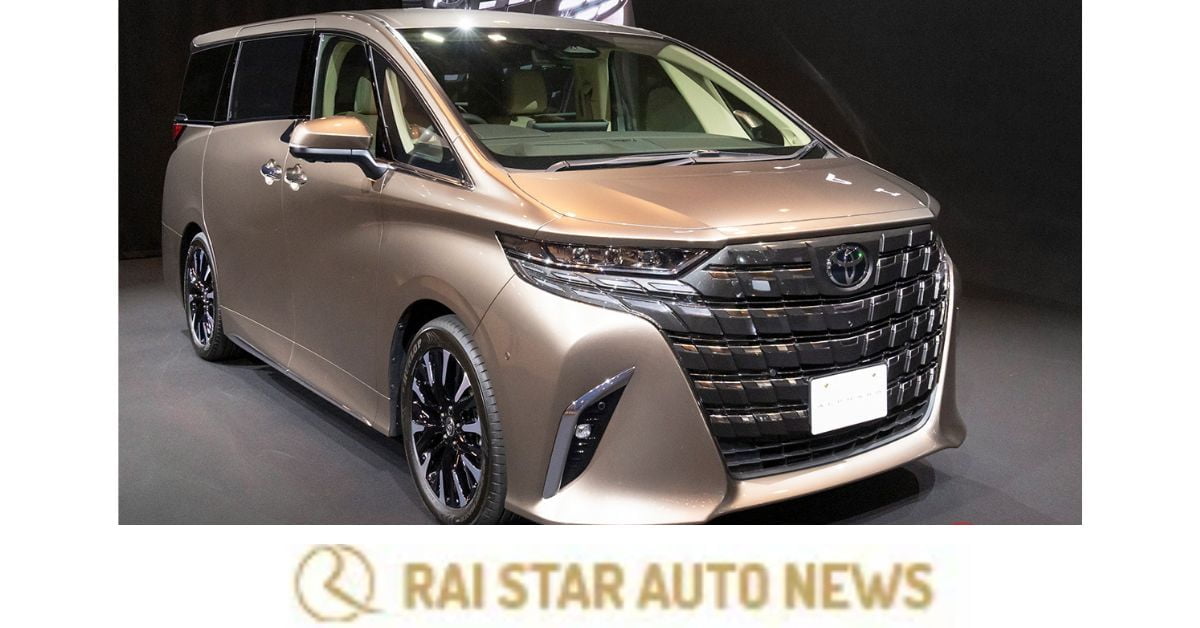
Exquisite Toyota Alphard 2023-07-10(Toyota Alphard) by RAI STAR Experience the pinnacle of luxury with the Toyota Alphard, a premium minivan designed to elevate your driving experience. Discover the super luxury specification, TNGA platform, and Hybrid Executive Lounge option. Choose from exquisite features like the Precious Leo Blonde color, universal step, enhanced driving performance, Connect […]
Unveils Game-Changing ADVAN V03 Tires for Toyota’s Luxury Minivans, Delivering Unmatched Performance and Comfort
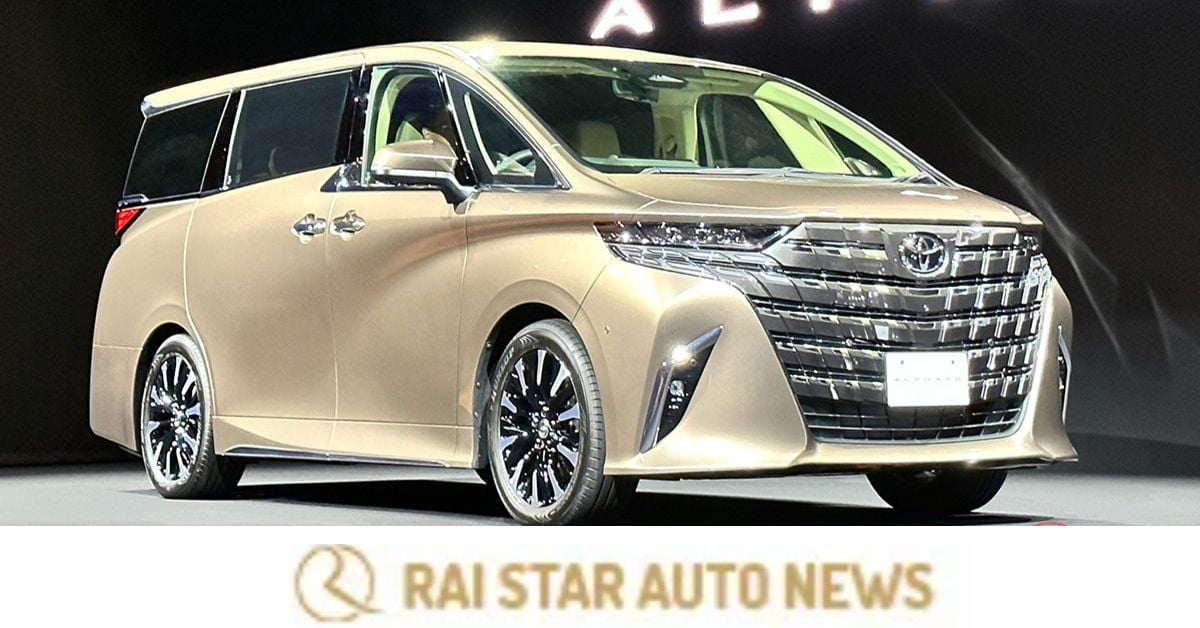
ADVAN V03 Tires for Toyota’s Luxury Minivans ADVAN V03 Tires for Toyota Luxury Minivans ADVAN V03 Tires for Toyota Luxury Minivans ADVAN V03 Tires for Toyota Luxury Minivans ADVAN V03 Tires for Toyota Luxury Minivans 2023-07-08(Toyota Alphard and Vellfire) by RAI STAR Yokohama Rubber Introduces Revolutionary ADVAN V03 Tires for Toyota’s Luxury Minivans Yokohama Rubber […]
Unleashing Electrifying Power and Cutting-Edge Design: Toyota C-HR Europe Unveils Next-Gen Marvel with 3 Exciting Variants in a 7-Year Leap
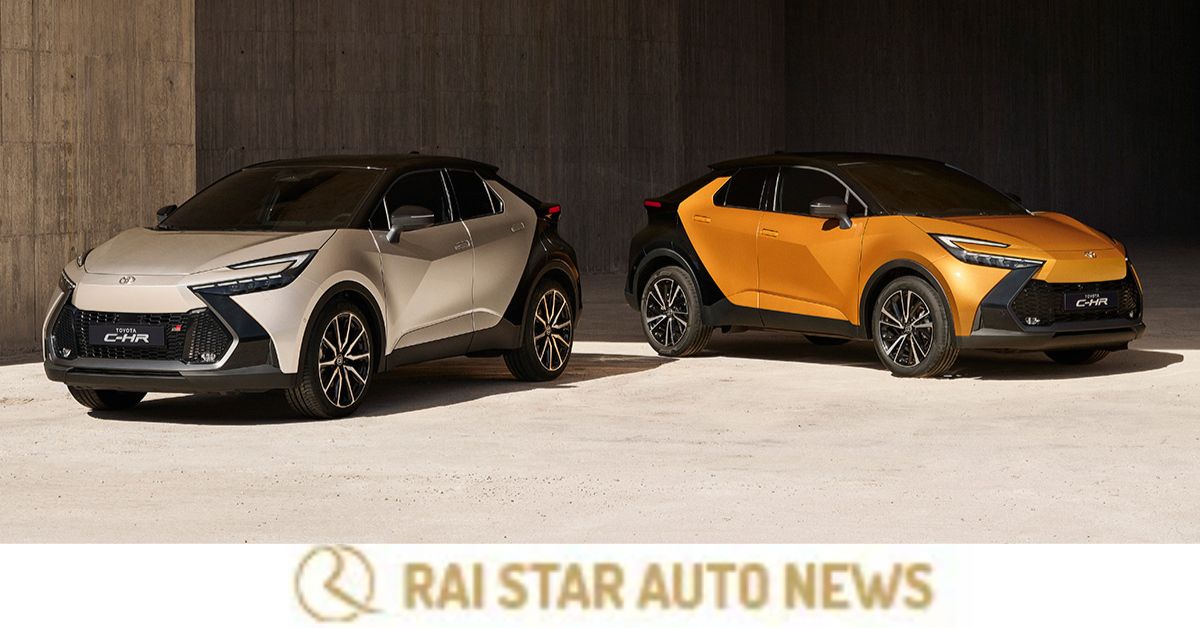
Toyota C-HR Europe Unveils Next-Gen Toyota C-HR Europe Unveils 2023-07-08(ToyotaC-HR) by RAI STAR Toyota Europe has officially revealed the next-generation Toyota C-HR, marking a major milestone in the evolution of one of the brand’s most distinctive crossover SUVs. Unveiled on June 26, 2023, the new model represents the first full redesign in nearly seven years, […]
Unveiling the Spectacular: 5 Key Highlights of Nissan’s All-New Pathfinder Concept at Global Headquarters Gallery

Discover the all-new Nissan Pathfinder Concept showcased at the Global Headquarters Gallery. Explore its stunning design fusion, Chinese aesthetics, and potential global influence. Experience the future of Nissan’s flagship SUV concept, leaving enthusiasts eager for its commercial release.
Nissan has recently exhibited the highly anticipated all-new Pathfinder Concept at their Global Headquarters Gallery in Yokohama, Japan. The concept car, which made its world premiere at the Shanghai Auto Show in April, is designed as a flagship SUV specifically for the Chinese market. While the exhibition is not aimed at introducing the Pathfinder to Japan, it has garnered significant attention and feedback from automotive enthusiasts worldwide.
The Pathfinder Concept boasts a stunning exterior design, featuring the latest iteration of Nissan’s signature V-motion grille, also found on the new Serena and Luke models. Its futuristic interior is adorned with gold accents against a backdrop of white and black, creating an air of sophistication. The dashboard and center console maintain the design language seen in Nissan’s latest vehicle lineup, further reinforcing the realistic nature of this concept car.
Visitors to the Nissan Global Headquarters Gallery have expressed their admiration for the Pathfinder Concept, with many taking to social media platforms to share their impressions. Common comments include “It’s cool” and “While it’s intended for China, I wish it would be available in Japan.” The exhibition has generated considerable interest, and some individuals have even rearranged their schedules to ensure they can view the concept car before the exhibition concludes.
Furthermore, there have been intriguing speculations regarding the connection between the Pathfinder Concept and the next-generation Elgrand. Some users have drawn parallels between the two vehicles, speculating whether the design elements of the Pathfinder Concept might be incorporated into the upcoming Elgrand model.
Yu Lihao, Project Design Director at the Nissan Global Design Center, shed some light on the significance of the Pathfinder Concept’s design. He stated that the fusion of modern Chinese aesthetics with Nissan’s classic heritage will not only cater to Chinese consumers but also influence future global models. Although the Pathfinder itself may not be introduced in Japan, the design language of the new concept car could potentially be reflected in a “global model” that will be available in various markets, including Japan and overseas.
Nissan enthusiasts and industry observers eagerly anticipate the commercial release of the Pathfinder, which is scheduled for the second half of 2023. With its striking design and potential influence on future Nissan models, the Pathfinder Concept showcases Nissan’s commitment to innovation and global design excellence.
Toyota’s Fourth Generation Alphard and Vellfire Redefine Luxury with Striking Emblem Transformations in 2023
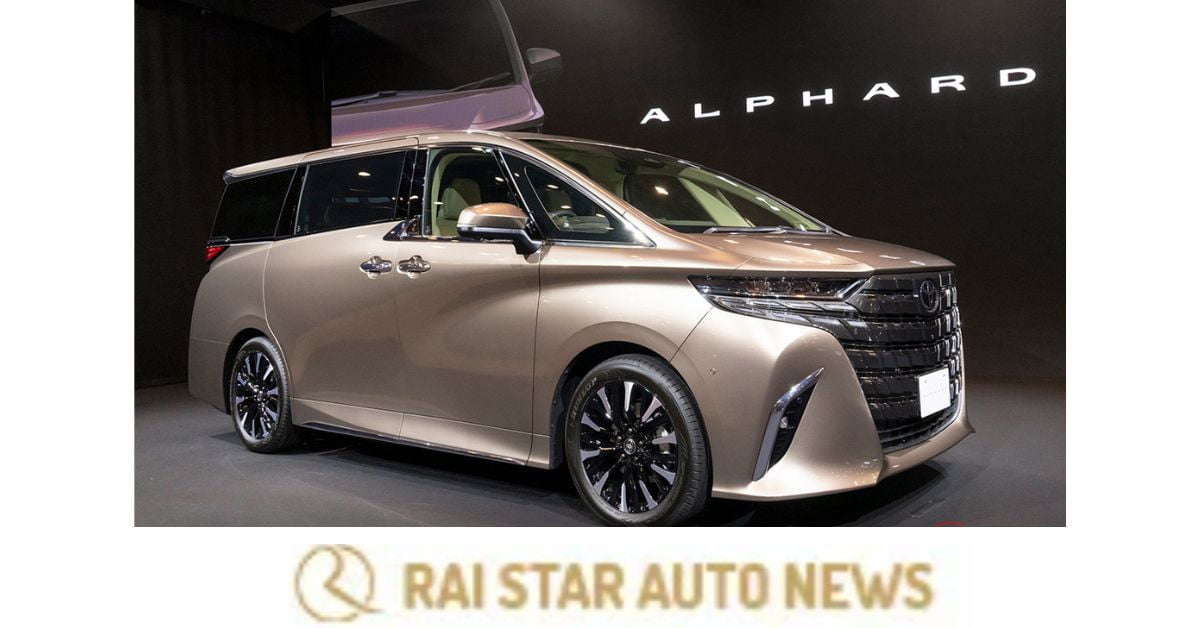
Toyota’s Fourth Generation Alphard and Vellfire 2023-07-06 (Toyota Alphard ) by RAI STAR Discover the fourth generation of Toyota’s luxury minivans, the Alphard and Vellfire. Redesigned for ultimate comfort and style, these models feature captivating exteriors, emblem controversy, and innovative enhancements. Experience the epitome of “comfortable mobility happiness” with Toyota’s latest release. Toyota, the renowned […]
Honda Announces Price Increases for Six Models Effective July 27th

Honda has officially revealed its decision to raise prices on six of its models, including the N-WGN, N-ONE, N-VAN, Fit, Vezel, and Civic. The price adjustments, ranging up to 120,000 yen, are set to take effect from late July. Stay updated on the latest developments in Honda’s pricing strategy.Honda has recently announced its decision to revise the prices of six models, namely the N-WGN, N-ONE, N-VAN, Fit, Vezel, and Civic. The price adjustments will come into effect starting from July 27th. Among the six models, three fall under the category of light vehicles.
The N-WGN, a second-generation light tall wagon introduced in 2019, is equipped with Honda Sensing as standard and features a friendly design and advanced driving support. In the upcoming revision, the prices for each grade will be increased by 19,800 yen (including consumption tax), ranging from 1,317,800 yen to 1,722,600 yen. The “custom” model, which includes aero parts, will see a price increase of 35,200 yen.
Positioned as a basic model in the N series, the N-ONE offers a sporty “RS” grade with a charming design, turbo engine, and a 6-speed manual transmission. The revised prices for the N-ONE will range from 1,662,100 yen to 2,085,600 yen, representing a uniform increase of 62,700 yen across all grades.
The N-VAN, an N-series commercial van known for its impressive loading capacity that can be fully flattened from the luggage space to the front passenger seat, will undergo a price increase ranging from 61,600 yen to 86,900 yen, depending on the grade. This will result in new prices ranging from 1,337,600 yen to 1,959,100 yen.
Moving on to the ordinary car models, the Fit, Honda’s flagship compact car in its fourth generation since its release in 2020, offers four variations with distinct interior and exterior designs. The revised prices for the Fit will range from 1,624,700 yen to 2,718,100 yen, with price increases ranging from 31,900 yen to 70,400 yen. Additionally, the number of grades under 2 million yen will be reduced from six to four.
The Vezel, Honda’s popular crossover SUV and flagship model, is currently in its second generation, released in 2021. As part of the price revision, the prices for the Vezel will be uniformly increased by 119,900 yen, resulting in a new price range of 2,399,100 yen to 3,418,800 yen.
The Civic, a long-selling model that has been on the market since 1972 and now in its 11th generation, debuted in 2021 with a 5-door hatchback body type. The price revision for the Civic will lead to price increases ranging from 40,700 yen to 50,600 yen, changing the prices from 3,240,600 yen to 3,980,900 yen. (Note: There was an error in the original price information for the Civic, and a correction was partially released on June 27th.)
Honda has attributed this price revision to the global surge in raw material prices and logistics costs, which have significantly impacted the automotive industry. As a result, Honda aims to sustain its commitment to delivering high-quality vehicles while navigating the current economic challenges.Customers planning to purchase Honda models affected by the price adjustments are advised to consider making their purchases before the late July implementation date to take advantage of the existing pricing structure. Stay tuned for further updates from Honda regarding the specific models and detailed pricing adjustments.
As the automotive landscape continues to evolve, Honda remains dedicated to providing reliable, efficient, and technologically advanced vehicles, ensuring customer satisfaction and driving enjoyment.
TOYOTA PREMIO 2018

Copy of NISSAN NV350 – 2023 by RAI STAR