|

“Introducing Suzuki’s Luxury BrandThe All-New 5-Door Jimny

Jimny

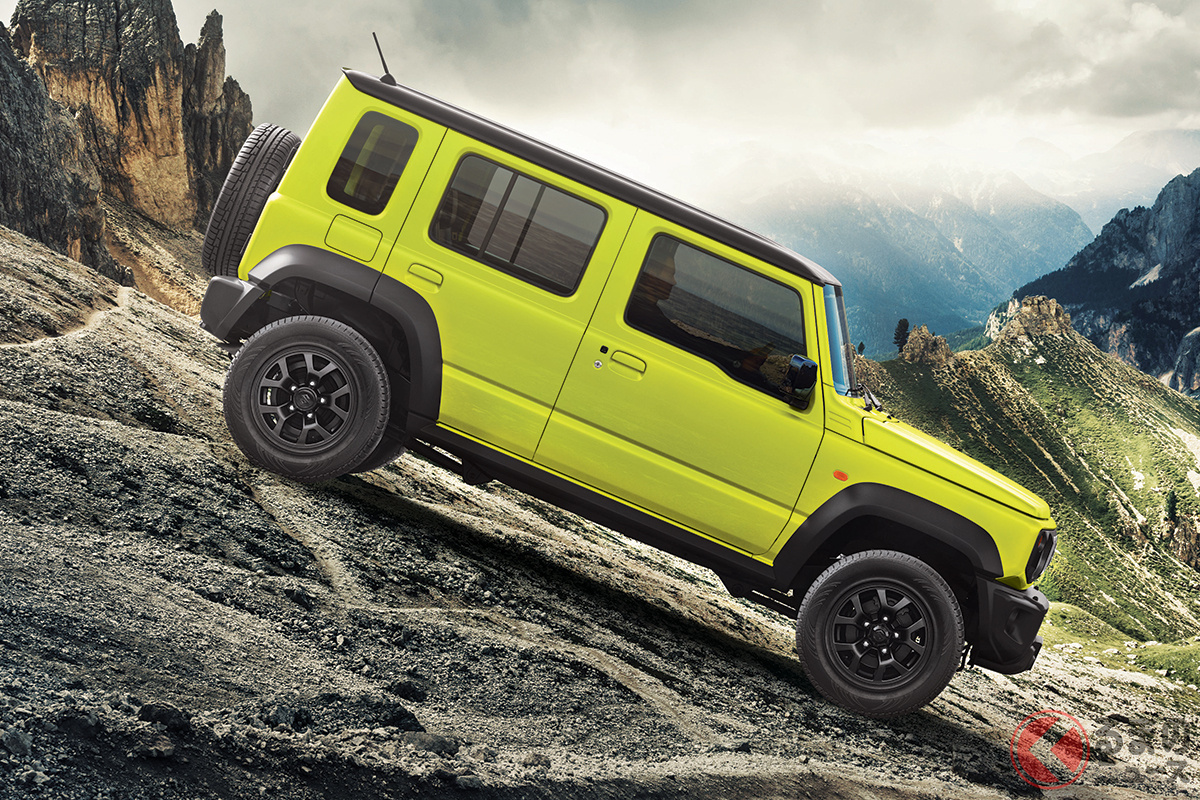
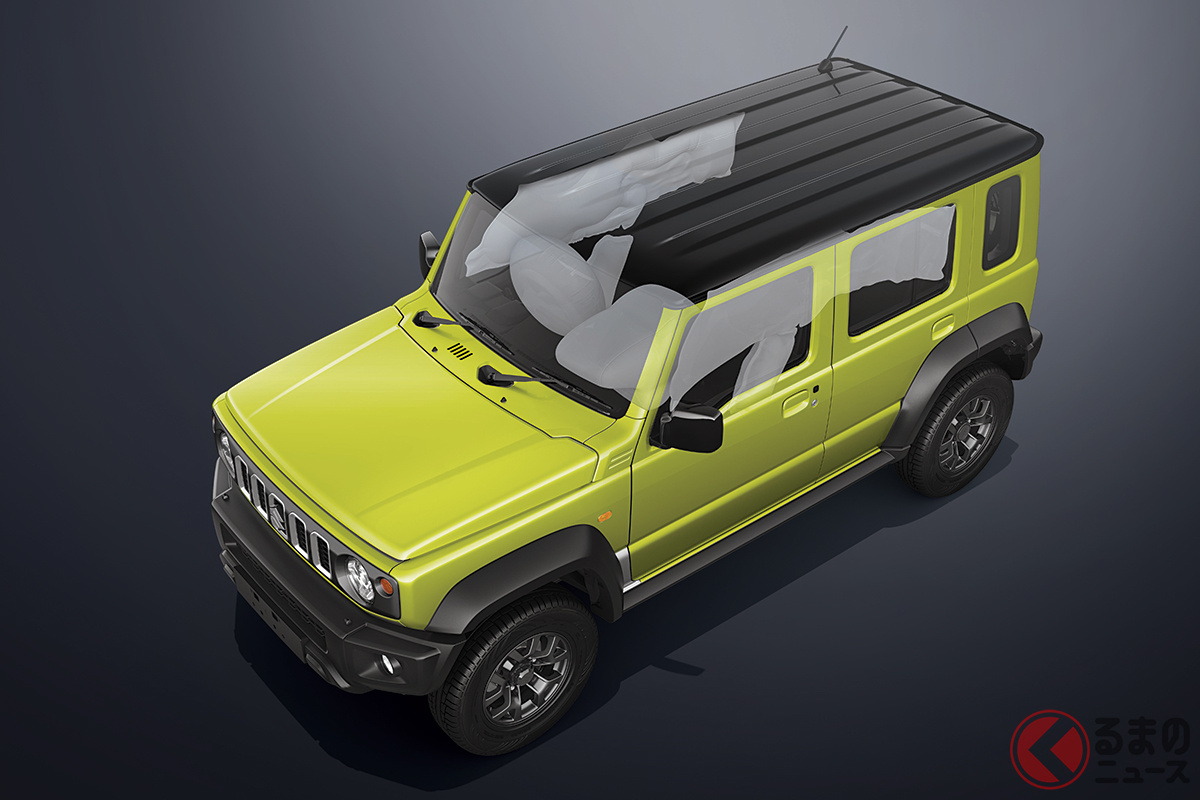
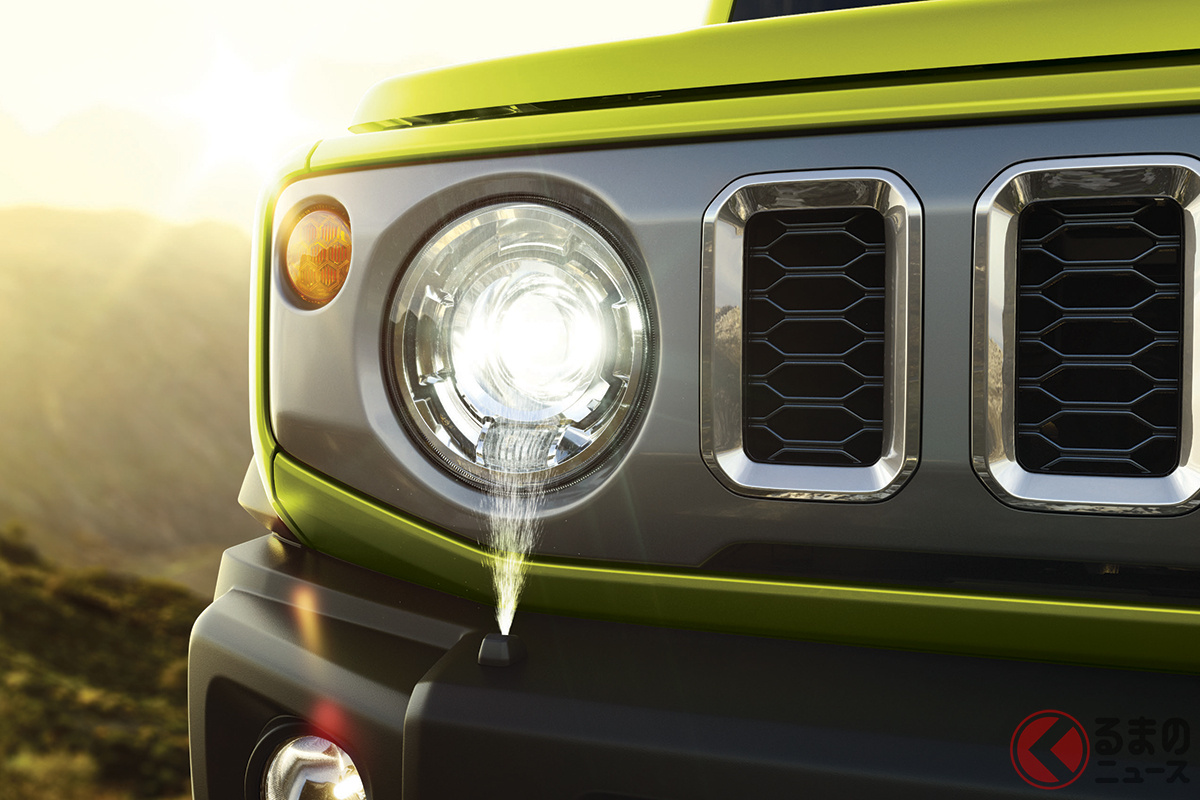
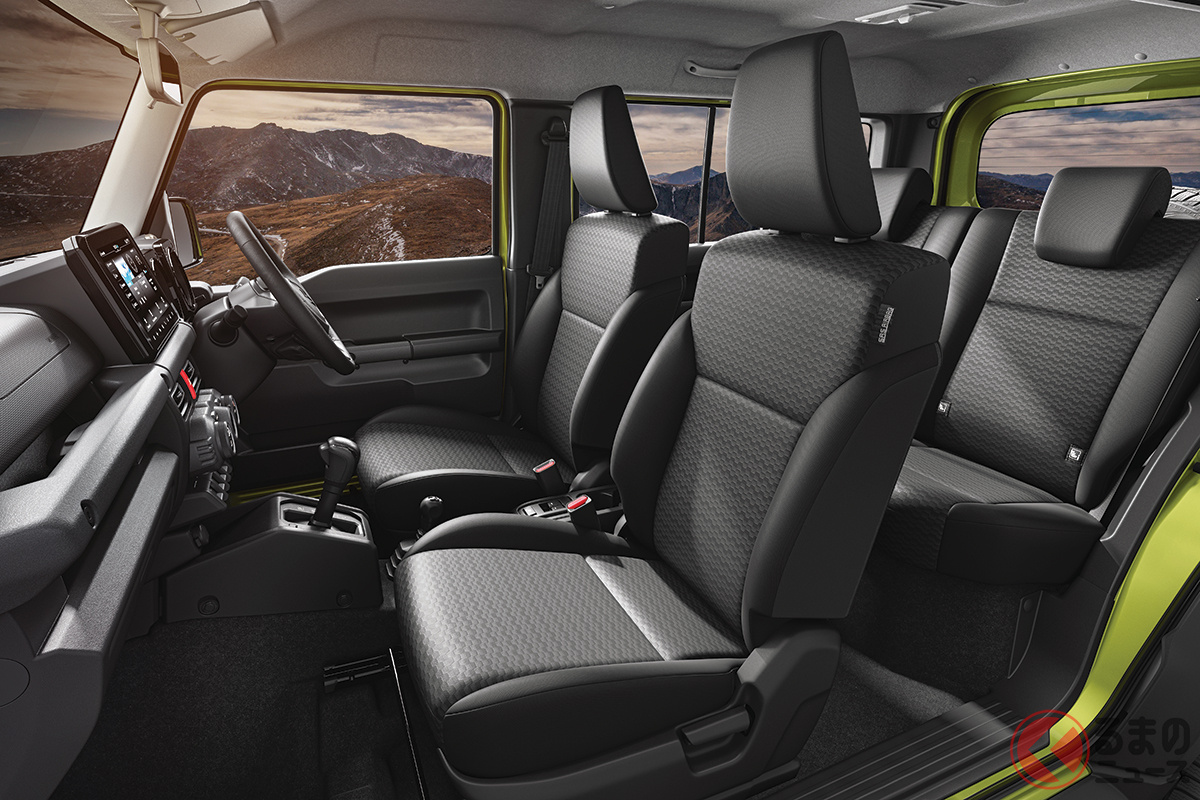
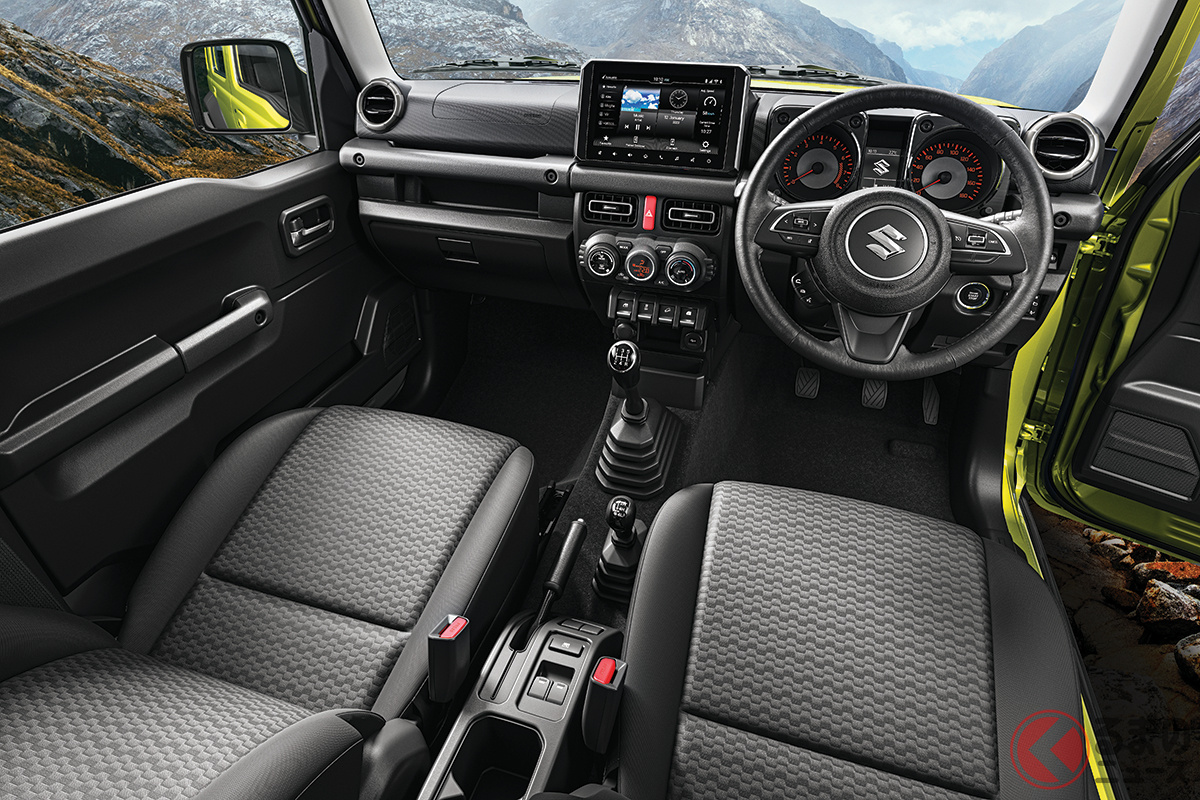
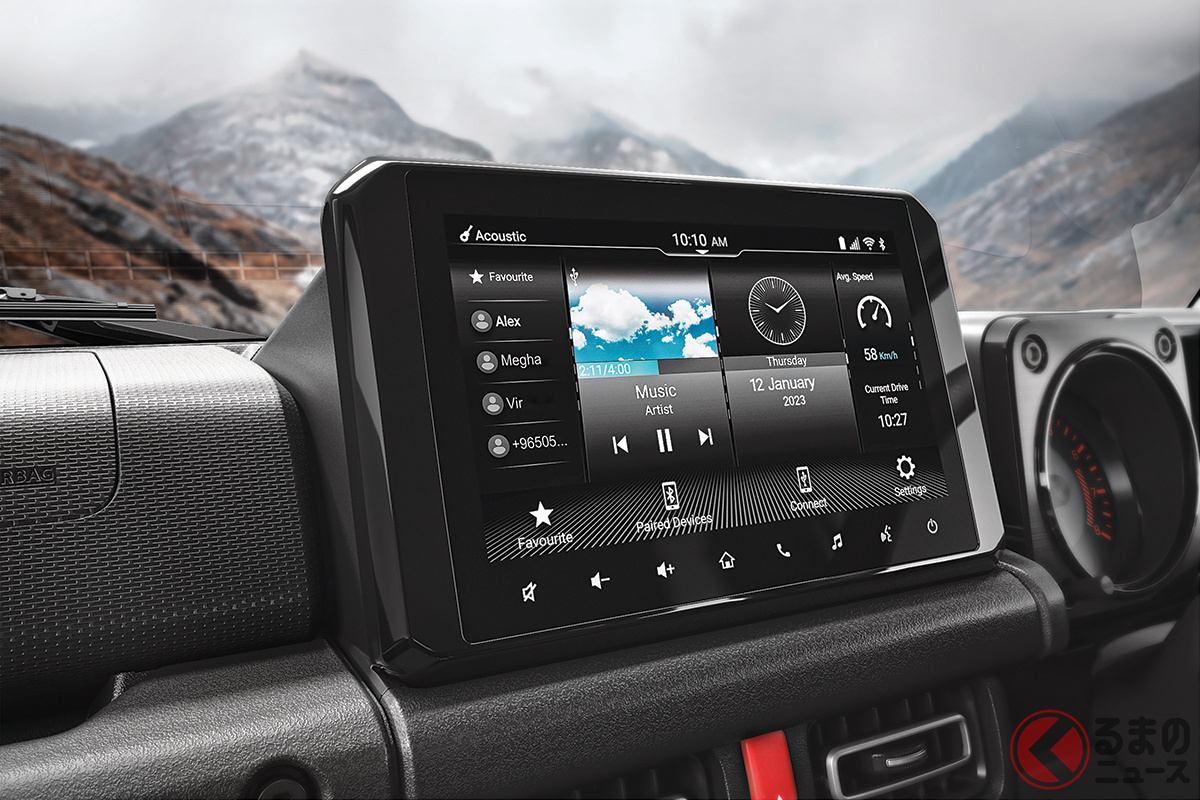
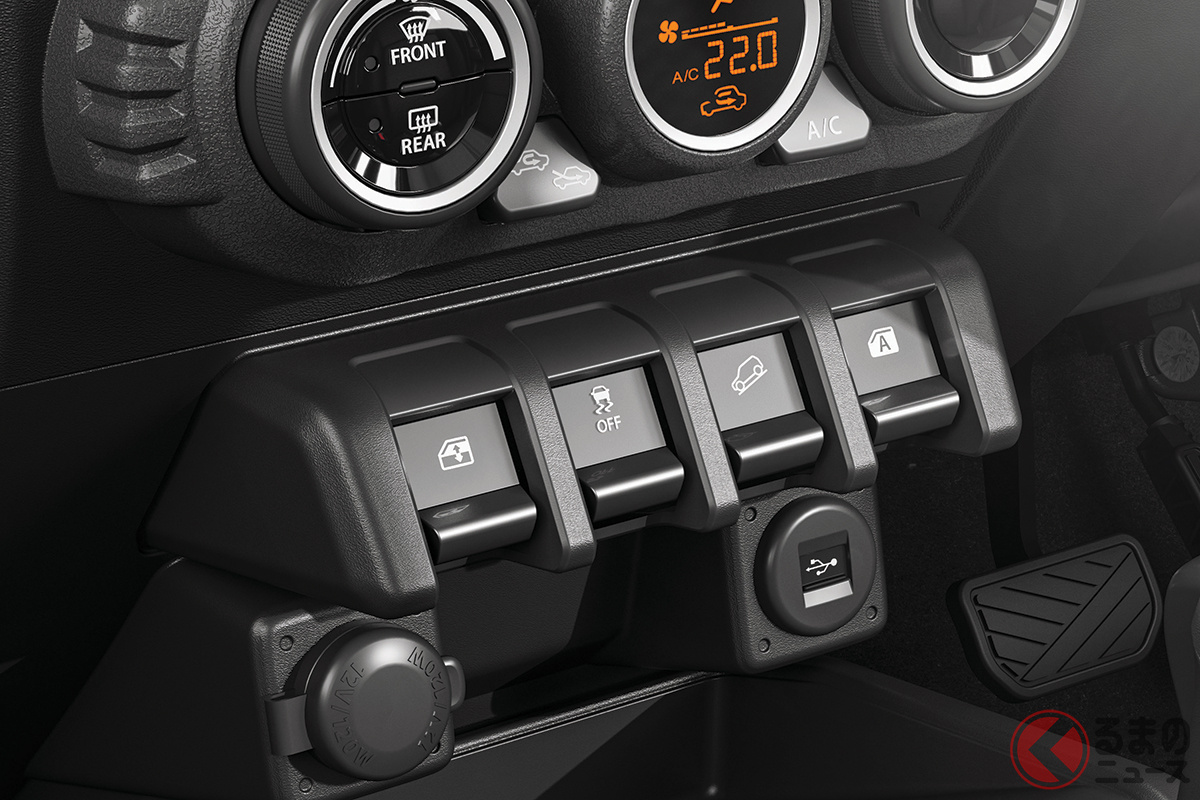
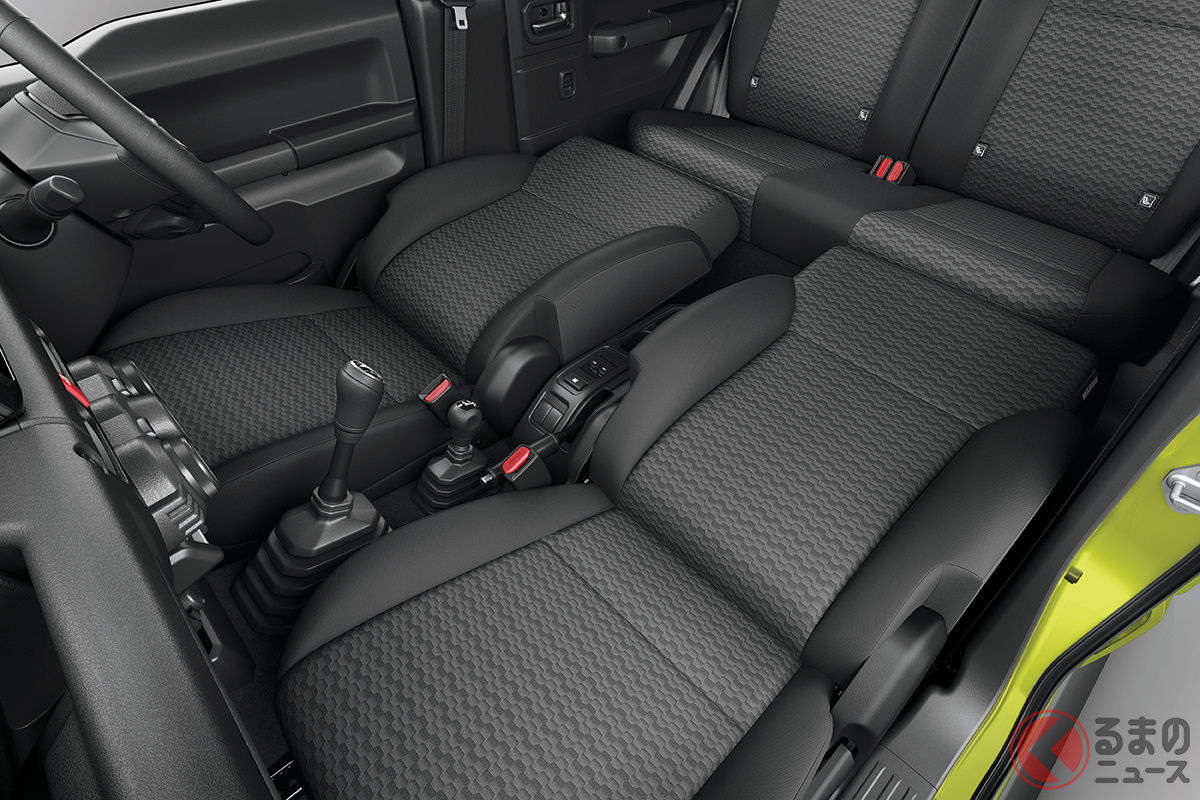
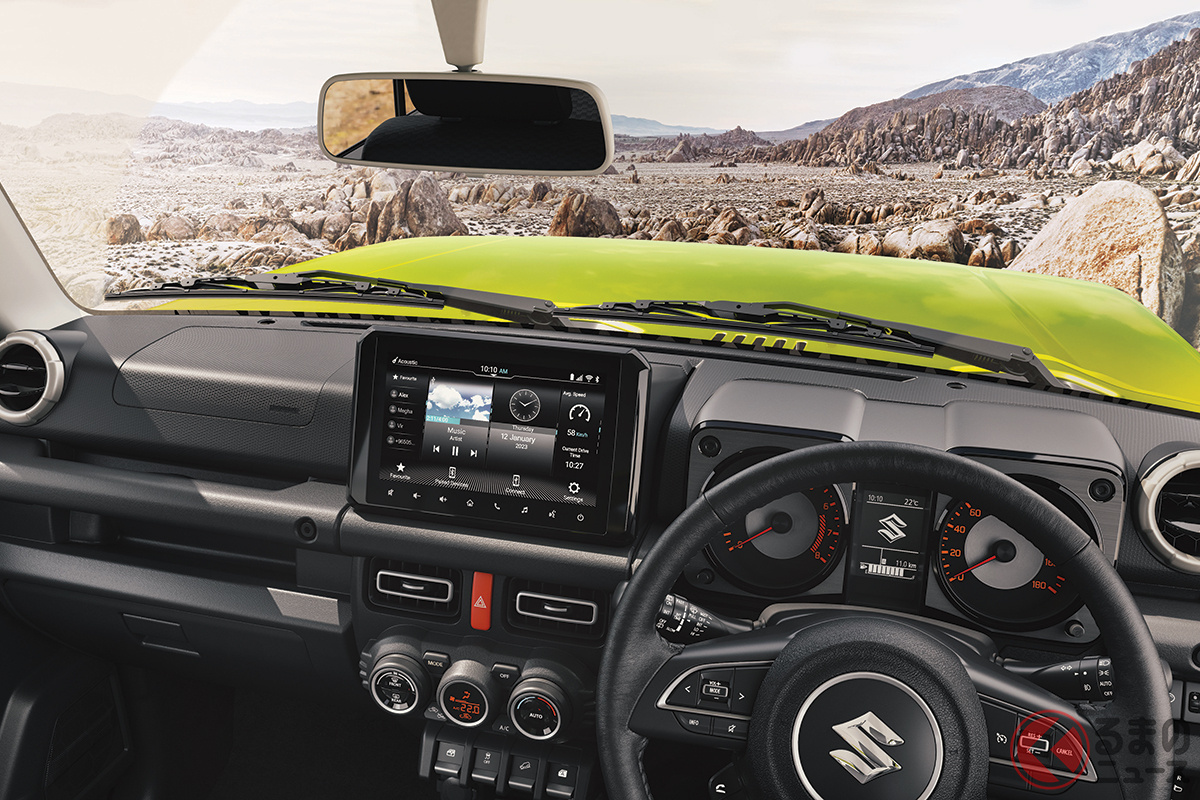
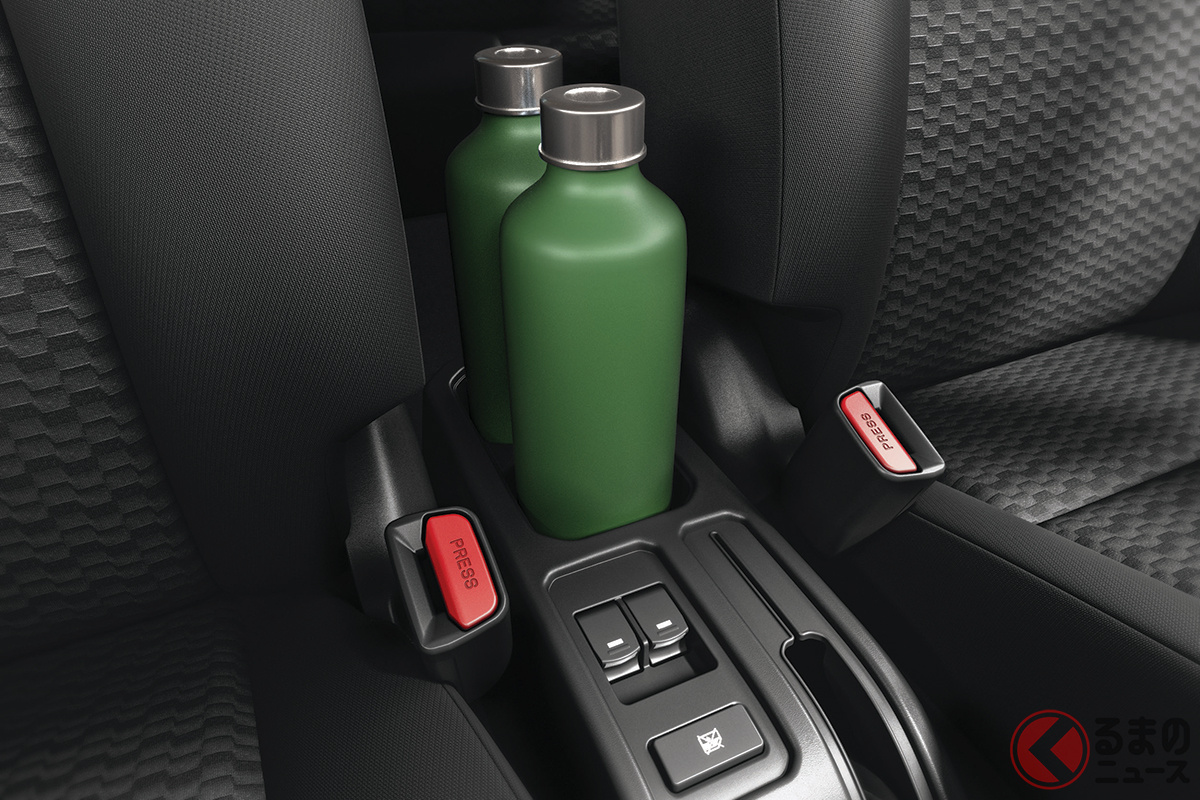
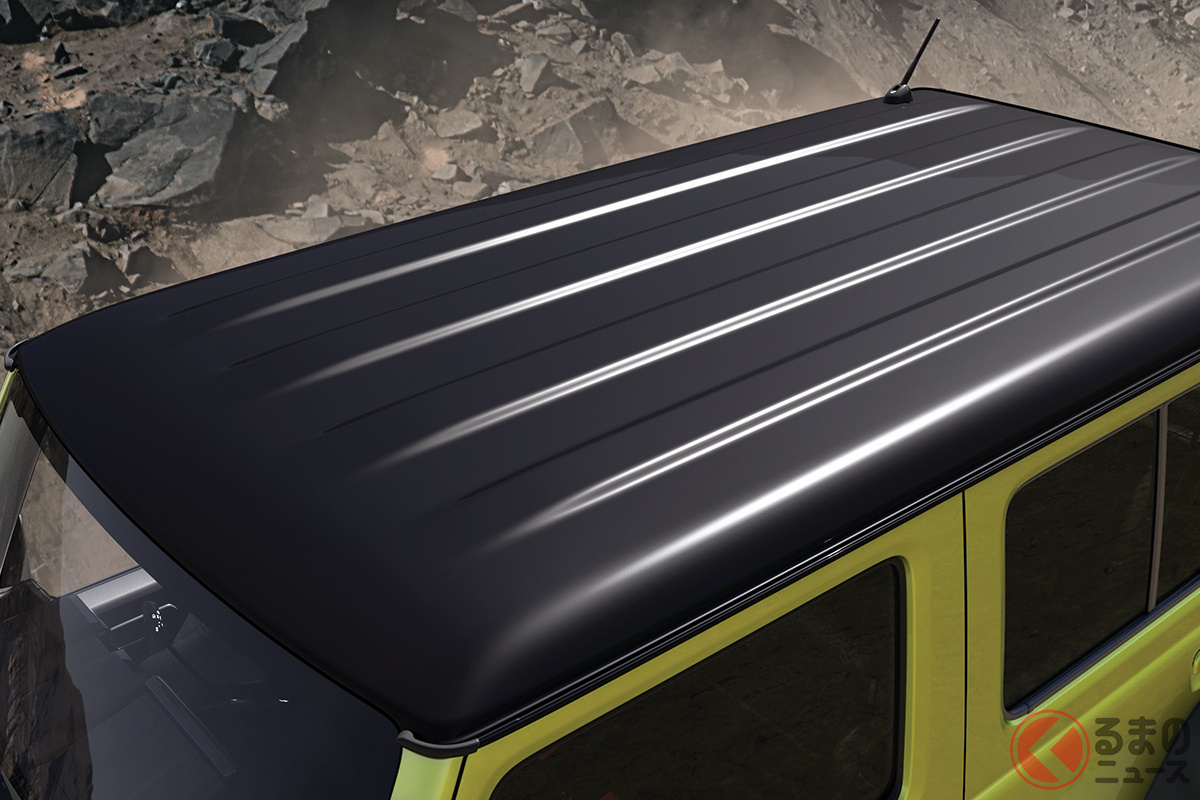
Suzuki, renowned for its iconic Jimny series, has recently introduced an exciting addition to their lineup. Under their luxury brand, NEXA, Suzuki has unveiled a remarkable 5-door version of the beloved Jimny. Building upon the foundation of the compact 4WD Jimny, this new model boasts an extended body length and wheelbase, granting it an extra rear door and significantly augmenting both legroom and cargo space.

The highly-anticipated release took place on June 7, 2023, in India, where automotive enthusiasts eagerly welcomed the new variant. Priced as the most luxurious offering within the NEXA lineup, the 5-door Jimny promises a premium driving experience complemented by its enhanced practicality.

The Jimny series has garnered widespread popularity in a staggering 194 countries and regions worldwide. Notably, the Jimny Sierra, another variant within the series, utilizes the Jimny’s body and frame, featuring overfenders and a compact engine. While in Japan it is marketed as the Jimny, it is recognized as the Jimny Sierra in overseas markets.

Suzuki’s latest release serves as a testament to their commitment to innovation and customer satisfaction. With the introduction of the 5-door Jimny, the company aims to cater to the evolving needs and preferences of car enthusiasts, providing them with a luxurious and versatile driving experience.

Jimny

Similar Posts

  • | |

    About 400 old domestic cars are in danger of “destruction”? Will the GT-R and Supra be destroyed? “Illegal imports” are a big problem in the United States! “Car stand number” of theft damage released!

    “Old Japanese cars, about 400 in danger of “”destruction””? GT-R or Supra to be destroyed? ‘Fraudulent imports’ are a big problem in the U.S.! Stolen “”VIN numbers”” released!
    Distributed on Thursday, March 31, 9:10 a.m.

    400 “”Fraudulent Imports”” Uncovered in Florida, U.S.A.!
     There was an incident in which 400 old Japanese cars were illegally imported in Florida, USA.
     
     How did it happen and what will be done with the 400 cars?

    Image] This is terrible…! Look at the list of stolen “”VIN numbers””! (26 pictures)

    Cars illegally imported into the U.S. may be “”destroyed”” in the future (images shown).

     In the U.S., there is a system that allows vehicles that have been manufactured in the U.S. for 25 years to be imported into the U.S., even if they do not comply with the FMVSS, the U.S. security standard.

     This is commonly known as the “”25-year rule”” for importation. This rule was originally enacted in 1988 as a law to regulate the importation of German cars, such as Mercedes-Benz, into the U.S. as parallel imports (new cars) for sale.

     The rule was later relaxed in 1998 because it was deemed too strict, and was revised to allow importation into the U.S. even if the vehicle has not conformed to FMVSS as long as 25 years have passed since its manufacture.

     This is the current “”25-year rule. However, in some states, even though importation into the U.S. is allowed under the 25-year rule, some vehicles cannot be sold or registered.

     The number of slightly older Japanese cars brought into the U.S. under this rule began to increase around 2010, but particularly explosive growth occurred around 2014, when the Nissan “”Skyline GT-R (BNR32 model)”” released in 1989 marked 25 years since its manufacture.

     The “”illegal importation”” of approximately 400 old Japanese cars discovered in Florida this time is also related to this “”25-year rule.

     Simply put, “”Florida importers and dealers falsified documents and other information on Japanese cars that were not subject to the 25-year rule, imported them from Japan, and sold them to general users residing in the United States.

     These 400 vehicles were stripped of their titles and all were contraband (prohibited goods).
    The company was to be handled as a

     What will be the future treatment of these 400 cars? In similar incidents in the past, many of them have been confiscated and “”destroyed”” for violating the law.

     I don’t want to think about these precious old Japanese cars being destroyed, but what is really going to happen to these 400 cars?

     We asked Rob Stumpf, a reporter for the American automotive media “”THE DRIVE”” who is covering the case.

    –what is the status of the 400 cars now?

     It is believed that the Florida Highway Patrol (FHP) and others are still investigating dealers not named in the report so far.

     All 400 vehicles named in the report have had their registrations canceled, their titles revoked so they cannot legally travel on U.S. roads, and they are uninsured.

    –Is there a possibility of destruction?

     In the past, the U.S. has taken measures such as impounding and destroying these types of vehicles.

     However, at this time, no agency has announced that they are actively seizing the 400 vehicles.

     There is no guarantee that they will be destroyed (crushed) after being seized, but it is hard to say.

    –Is it still under investigation at this time?

     It appears so. The Florida Highway Patrol (FHP) would not answer questions about the ongoing investigation.

     However, the FHP and the Highway Safety and Motor Vehicle Administration (HSMV) have the same communications agency and can provide some information.

    Old domestic cars, about 400 in danger of being “”destroyed””? GT-R or Supra to be destroyed? ‘Fraudulent imports’ are a big problem in the U.S.! Theft “”VIN”” numbers released!

    What types of vehicles were illegally imported and by what means?
     Rumors of a particularly high rate of fraudulent imports in Florida have been pointed out since around 2012 by the rightful importers.

     Between 2014 and 2021, each vehicle was investigated individually, and to date, approximately 400 vehicles have been detected.

     The unauthorized importers were arrested, and in March 2022, a list of about 350 of these vehicles (including a few German cars) was released with their names, VIN numbers, and dates of purchase. There is also information that a significant number of unauthorized imports have taken place in Florida.

    Part of the “”VIN list”” of illegally imported cars (image has been processed)

     The letters in the list in the image mean “”VIN”” (VIN number in Japan), “”SALE DATE”” (the date the vendor sold the car to the general owner in the U.S.), and “”TRANSFER DATE”” (the date the title was transferred to the owner).

     According to the author’s (Kumiko Kato) research, the most common car models are as follows.

     Nissan “”Skyline GT-R”” (BNR32/BCNR33/BNR34) and 88 other cars in total
     Nissan “”Silvia (S15)”” 30 units
     Toyota “”Supra (JZA80)”” 28 units
     Honda “”Integra (DC2/DC5)”” 23 units
     Honda “”Civic Type R”” 14 units
     Mazda RX-7 (FD3S model): 7 units

     Many of these cars are popular sports cars in the U.S., such as the following. Some of these models are very rare, and many of them are priced at 10 million yen or more.

     So how were these approximately 400 illegally imported cars imported? Before we begin, let us review the main methods of bringing parallel imported cars into the U.S.

     1. The car has been manufactured for more than 25 years. (25 year rule)
     2. Even if the car is less than 25 years old, it must meet FMVSS safety standards, etc.
     3. Even if the vehicle is less than 25 years old, it must meet the “”Show or Display”” method (when a specific model is imported as a display vehicle. There are various restrictions on driving, including a limit of 5,000 km or less per year).

     In addition to these three methods, automobile manufacturers and automobile-related industries are also allowed to enter for research, investigation, and testing purposes.

     The simplest of these methods is to apply the 25-year rule (1), while the second method requires destructive testing on actual vehicles and is considerably more expensive.

     The third method is limited to certain types of vehicles, such as those with historical or technical value, or those produced in small numbers.

     The 400 cars that were caught in this case were illegally imported by the following methods.

     Falsifying stamps on customs clearance certificates and other false declarations for registration.
     Creating false proof of sale (e.g., false address or name)
     Prepared false documents that made it look like they complied with FMVSS standards.
     Falsified documents to make them look 25 years old when they were manufactured less than 25 years ago.
     Sold to customers by showing them a false vehicle inspection certificate (or similar document) that appeared to have been issued by the U.S. Department of Transportation to reassure them that the vehicle was safe.

     These methods have been reported.

     There is no possibility that any of the 350 vehicles on the list include cars stolen in Japan around 2012-2020.

     The list includes all car models, so we recommend that you check the VIN numbers if you know of any.

     If you do not have the VIN number and do not know the VIN number, you can check the automobile insurance and liability insurance that you had at the time, maintenance records, and records of dealers and other dealerships.

    Translated with www.DeepL.com/Translator (free version)”

  • |

    Suzuki’s Jimny 4-door with a roof that pops open

    Suzuki’s “Jimny 4-door” with a roof that pops open. What is the stylish box that has been completely reproduced?

    The Jimny 5-door is the talk of the town… but what is an item that looks like a 4-door, no way!
     The Suzuki Jimny is the fourth generation of the Suzuki Jimny, which was introduced in 2018.
     
     It is still supported by a wide range of users, but new Jimny goods have been released.

    Jimny 4-door? The novel item that can be opened with a snap has been renewed. See the real thing.

    I want this…maybe? Attention was paid to every detail. Wet tissue case that looks like a Jimny 4-door has been renewed.

     Face, a company that designs and sells car-shaped goods, will release a new wet tissue case that replicates the Jimny on February 6, 2023.

     By reproducing even more details from the previously released Jimny Sierra, the case has been finished to look more like a Jimny and less like a wet tissue case.

     The size is 285mm (L) x 145mm (W) x 135mm (H) and weighs 658g. It can smoothly hold up to a standard bag of wet wipes or wipes (15cm x 8.5cm x 6cm).

     In addition to the addition of the license plate, inspection sticker, and inspection sticker, the tires and over-defenders have been newly reproduced to match the Jimny.

     You can enjoy the large and powerful details in approx. 1/12 scale, and you can even push the tires by hand to make them run.

     The hood can be removed. Inside is a small compartment for keys and other small items, as well as wet tissues, a spice container and a planter.

  • | |

    Porsche’s EV “Tycan” extends cruising range … Europe announcement .

    “Porsche’s EV “”TaikanTycan”” with extended range…Announced in Europe on Wednesday, July 20, 2022 at 7:45 p.m.

    On July 20, Porsche unveiled the 2023 model of its EV sports car, the Porsche Taycan, in Europe. The software has been updated to boost performance.

    The AWD model’s EV powertrain deactivates the front electric motor when the driving mode is “”Normal”” and “”Range”” and the driving load is low. Furthermore, while coasting or stopping, the drive torque of the front and rear axles is set to zero. The electric freewheel is said to reduce frictional drag losses and extend the vehicle’s cruising range.

    As for the battery, the quick recharging performance at low temperatures has been improved. Porsche Communication Management (PCM) and Porsche Connect feature new functions and a new start screen for even greater ease of use.

  • | |

    Mitsubishi will unveil its new light crossover Delica Mini

    In the realm of compact four-wheel drive vehicles, the “Jimny” has long held its place as a prominent contender. However, Mitsubishi aims to rekindle memories and create waves with its anticipated crossover, the “Delica Mini,” set to be unveiled at the Tokyo Auto Salon 2023 in January. This announcement inevitably brings back recollections of the iconic “Pajero Mini,” a vehicle that first graced the roads in 1994.

    The echoes of the past resonate as we delve into the history of the Pajero Mini, a compact SUV that continues to linger in enthusiasts’ minds even a decade after its production ceased in 2013.

    “Evoking Nostalgia: A Look Back at the Pajero Mini and the Upcoming Delica Mini”

    The mere mention of Mitsubishi’s forthcoming “Delica Mini” immediately transports many to the days of the Pajero Mini, a compact SUV that embodied the rugged spirit of its larger Pajero sibling. The Pajero Mini’s design elements, including its robust tires, two-door configuration, rear side-opening back doors, and meticulous details, all echoed the Pajero’s iconic attributes, lending it an identity that resonated with its prestigious moniker.

    Emanating the essence of its namesake, the Pajero Mini wasn’t content with just appearances. Emphasizing its off-road capabilities, Mitsubishi equipped it with a built-in ladder frame structure and the innovative “Easy Select 4WD” system. A freewheel mechanism graced the front differential, while an auxiliary gearbox enhanced its prowess on rough terrains, solidifying its reputation as an adept adventurer.

    Uncompromising in its dual-purpose nature, the Pajero Mini also demonstrated on-road comfort, distinguishing itself as a lighter city SUV when compared to its counterpart, the Jimny. This adaptability garnered widespread appreciation, positioning it as a personal companion capable of tackling any scenario with ease.

    Under the hood, the Pajero Mini sported an unprecedented 4-cylinder, 5-valve turbo or 4-cylinder, 4-valve naturally aspirated engine – an engineering marvel for a compact vehicle. Its diversity extended to an array of editions, including the distinctive “Skipper” and “Duke” models, each with its unique flair, such as the Jeep-like vertical grille and street-inspired embellishments.

    The Evolution of a Legend

    The Pajero Mini’s legacy continued with the introduction of the “Pajero Junior” in 1995, a smaller version boasting a 1.1-liter engine and over fenders. This, alongside its companions, formed the “Pajero 3 Brothers,” expanding the Pajero family’s horizons.

    A pivotal moment arrived in 1998 with the fully remodeled second generation. While preserving the essence of the original, this iteration embraced a refined aesthetic, accentuated by square headlights and thoughtful enhancements. A plethora of stylistic variations, including a more road-oriented 2WD version and the eye-catching “Lynx” model, catered to diverse preferences.

    The Pajero Mini’s journey took a new turn in 2008 when Mitsubishi embarked on an OEM partnership, providing the “KIX” to Nissan, which found its way into the market as the “KICKS” in 2020. Notably, the Pajero Junior’s successor, the remodeled 1998 version, assumed the name “Pajeroio,” standing independently with its distinct identity.

    A Bittersweet Farewell and Lingering Hopes

    Tragically, stringent safety standards paved the path to the Pajero Mini’s discontinuation in 2013. Mitsubishi’s endeavors to meet evolving safety norms faltered, and the cherished compact SUV bid adieu. Subsequently, Mitsubishi left a void in the realm of robust light SUVs, leaving the Jimny to dominate the landscape.

    In 2019, even the venerable Pajero four-wheel drive model ceased domestic sales, vanishing from the Japanese market entirely. However, the world’s newfound love for outdoor adventure endures, as evidenced by the popularity of vehicles like the Suzuki Hustler, Daihatsu Taft, and the ever-endearing Jimny.

    In light of this outdoor renaissance, the call for the Pajero Mini’s revival grows stronger. Enthusiasts yearn for a compact SUV that can conquer rugged paths with prowess, much like the anticipated Delica Mini, while carrying forth the Pajero legacy.

    Although whispers of its return tantalize enthusiasts, Mitsubishi’s lips remain sealed on this matter. The anticipation lingers, but until the official word arrives, enthusiasts across the globe will remain eager, hopeful, and ready to welcome the Pajero Mini back to the spotlight.

  • | |

    Daihatsu Shiga No. 2 Factory, which manufactures Rocky, etc., shut down due to lack of parts supply … April 1st and 4th .

    “Daihatsu Shiga Plant No.2, which manufactures Rocky and other products, suspends operations due to parts supply shortage…April 1 and 4, 2022 6:15 p.m.

    Daihatsu Rocky
    Daihatsu Rocky Toyota Rise
    Daihatsu Motor Co. has announced that its Shiga (Ryuoh) Plant No. 2 will suspend operations for two days (four shifts) on Friday, April 1 and Monday, April 4 due to a shortage of parts supply from suppliers.

    Shiga Plant No.2 manufactures Daihatsu “”Rocky””, Toyota “”Rise””, Daihatsu “”Tanto””, Subaru “”Chiffon””, and Daihatsu “”Move Canvas””.

    Other plants will continue to operate as usual.”

  • | |

    Citroen C5 Aircross SUV PHV, EV mode is 55km … Improved new model will be released in Europe in June

    “Citroen C5 Aircross SUV PHV with EV mode of 55km…New improved model to be launched in Europe in June
    225hp power for the entire PHV system

    Suspension designed for “”magic carpet”” ride comfort

    20 advanced driver assistance systems

    Tuesday, June 14, 2022, 14:30
    Citroën C5 Aircross SUV, the new and improved PHV

    Citroen announced on June 7 that the Citroen C5 Aircross SUV plug-in hybrid vehicle (PHV) will be launched in the European market in June. The base price in France is 40,950 euros (approximately 5.77 million yen), with the PHV accounting for 41% of the orders.

    ◆225hp power of the entire PHV system
    The PHV powertrain consists of a direct-injection 1.6-liter inline 4-cylinder gasoline turbo engine that produces a maximum output of 180hp. The motor, which is laid out between the engine and the 8-speed AT, produces a maximum output of 110hp and a maximum torque of 32.6kgm, resulting in a total system power of 225hp. The battery is a lithium-ion with a storage capacity of 13.2 kWh, and is mounted under the rear seat floor.

    The EV mode cruising range is set at a maximum of 55 km, with a maximum speed of 135 km/h. The battery can be recharged at a household outlet. The battery can be recharged in approximately 7 hours at a household power outlet (3.7 kW output). A 7.4 kW charger can be used to recharge the battery in approximately two hours.

    When the car is running in EV mode, the blue lamps under the rear-view mirror light up. This blue light is visible from the outside and identifies the vehicle as running in EV mode. While driving in EV mode, a sound generator is activated at speeds below 30 km/h to alert pedestrians and cyclists of the vehicle’s approach.

    ◆Suspension designed for “”magic carpet”” ride comfort
    Citroen is known for its hydraulic hydro suspension. The improved new model adopts the “”progressive hydraulic cushion””. In developing this system, 20 patents were applied for. According to Citroën, the company is pursuing a “”magic carpet”” ride that is both smooth and comfortable.

    The progressive hydraulic cushion is a purely mechanical system with a secondary damper added to the regular damper structure. The secondary damper cylinder is located inside the damper cylinder and has multiple ports on the side. In the secondary cylinder, there is a secondary piston that matches the inside diameter of the cylinder, and as the stroke progresses, the secondary piston enters the cylinder and acts as a hydraulic stop in this position-sensitive damper.

    This allows for a softer ride with less damping force in situations where the suspension moves small and fine, or where the suspension stroke speed is low. In situations where the suspension moves significantly, the damping force generated by the secondary piston and cylinder absorbs the impact.

    ◆20 advanced driving assist systems
    Twenty of the latest advanced driver assistance systems (ADAS) for automatic driving are available. These include road sign recognition, active safety brakes, and adaptive cruise control with stop-and-go function. Of these, the adaptive cruise control with stop-and-go function detects a vehicle ahead and automatically maintains a safe distance until the vehicle comes to a stop.

    Active lane keeping assist recognizes lane markings on the road. If the system detects a lane change without blinkers, it alerts the driver. If a vehicle is in the driver’s blind spot, the system warns the driver by flashing the lights on the door mirrors. When the Lane Departure Warning System is activated, force is applied to the steering wheel to avoid a collision.

    Collision Risk Alert warns the driver of a potential collision with a vehicle in front at speeds of 30 km/h or more. Coffee Break Alert prompts the driver to take a break after two hours of driving at speeds above 70 km/h.

    Highway Driver Assist combines adaptive cruise control with stop-and-go and active lane departure warning systems to provide level 2 partially automated driving under certain driving conditions. Intelligent Beam Headlight assists safe driving at night by automatically switching between high and low beam settings.

Leave a Reply