


Similar Posts
Popularity Drives Toyota Alphard Minivan Prices to Soaring Heights
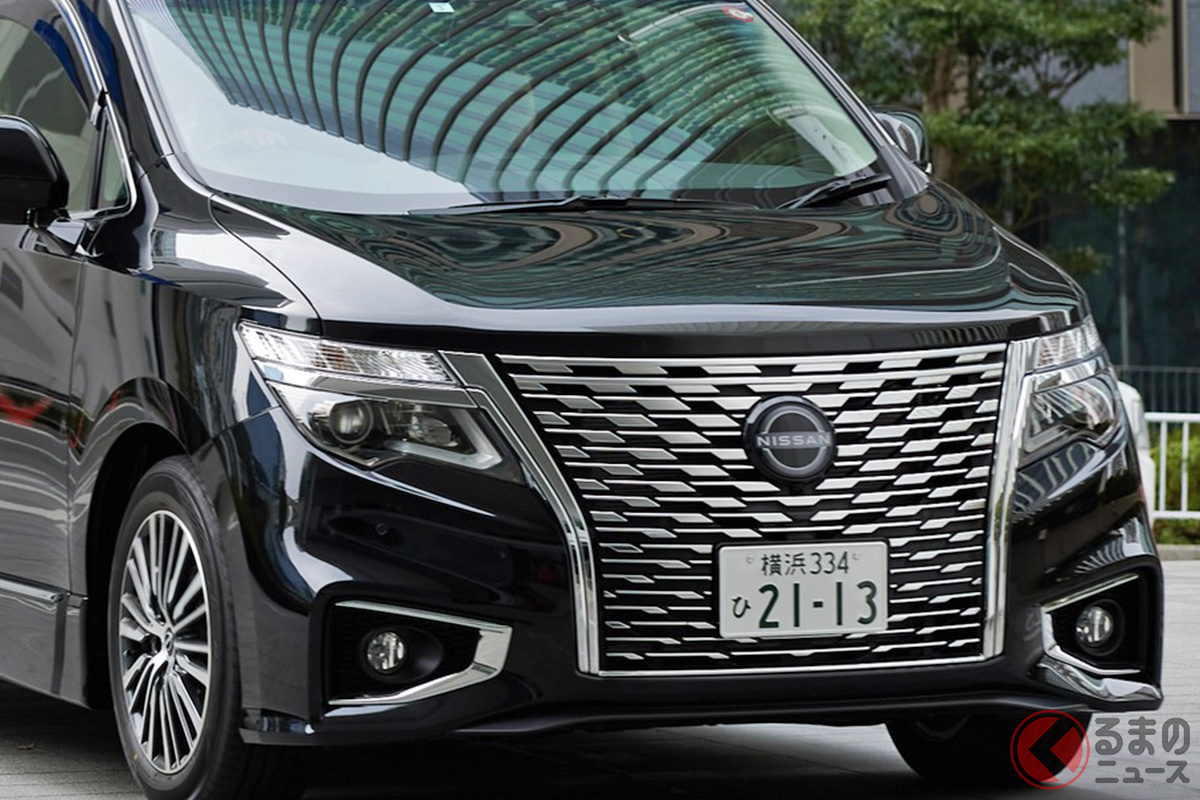
Why is the top-of-the-line version of Toyota’s popular minivan “”Alphard”” so expensive? What is the difference from the base grade that costs more than 4 million yen?
The luxury car “Alphard” can be bought from 3.5 million yen!
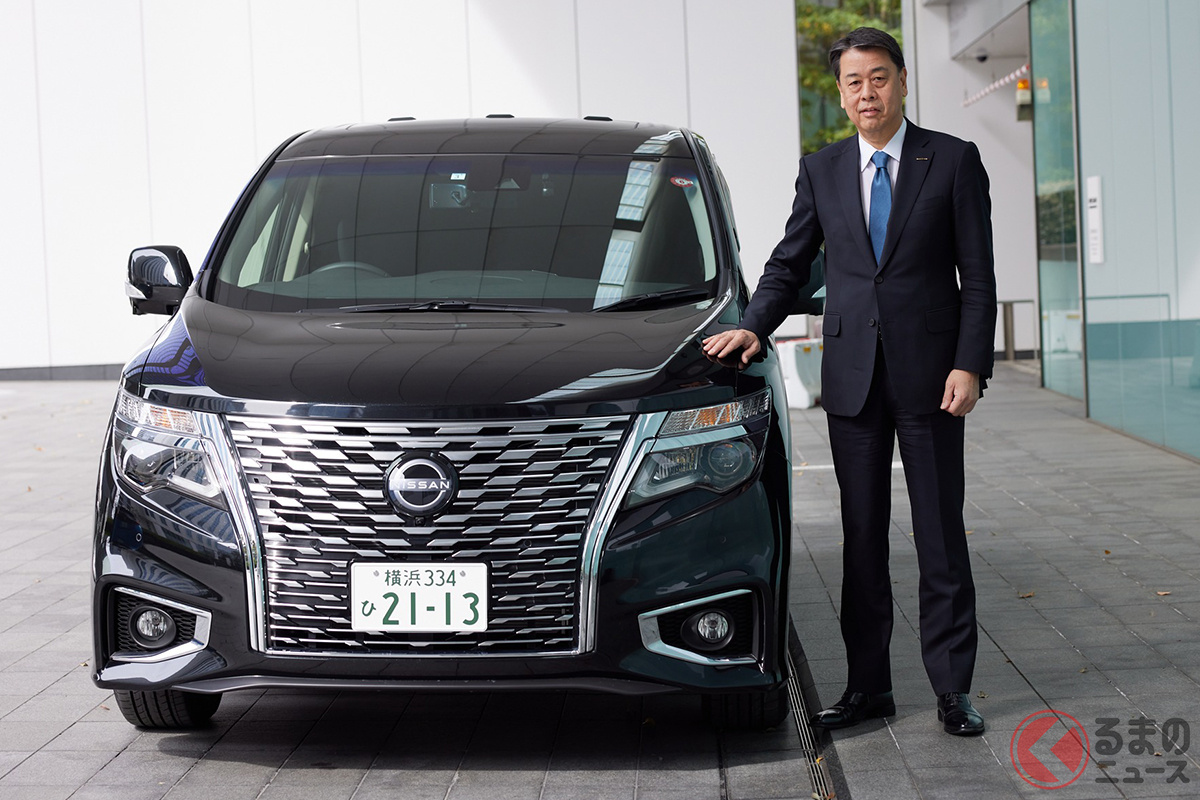
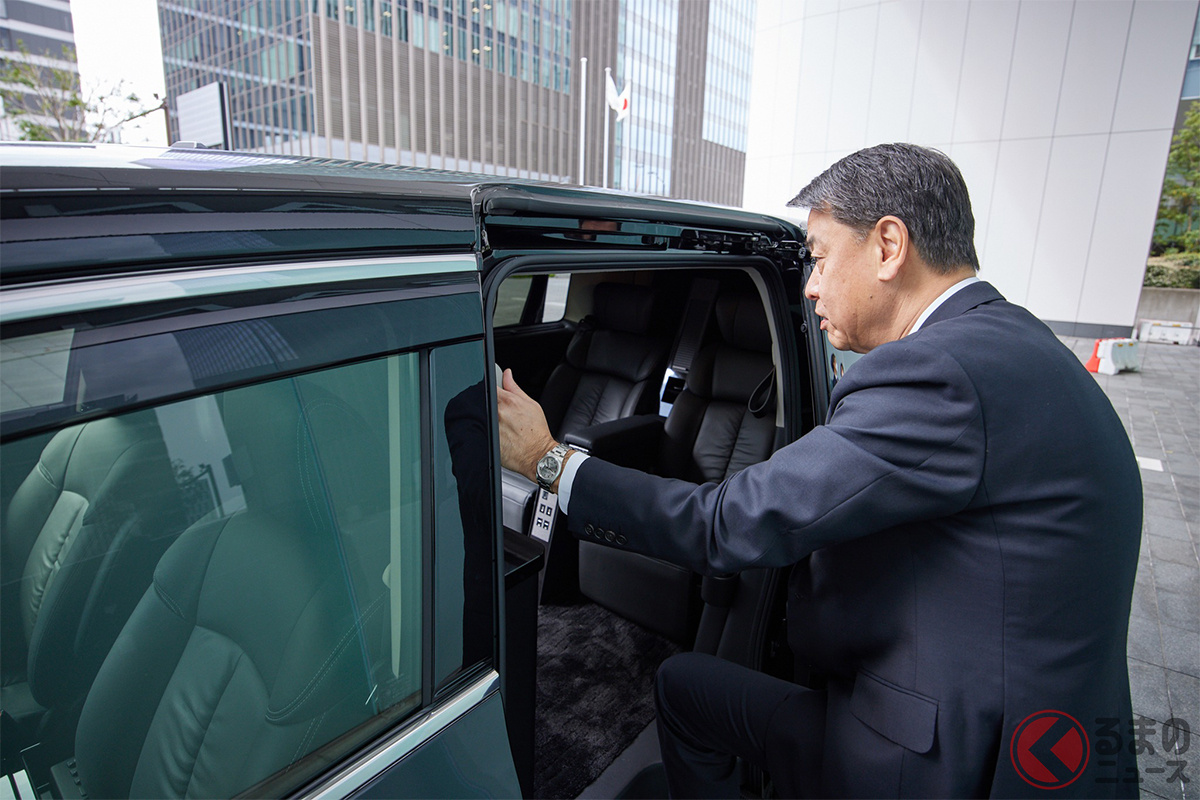
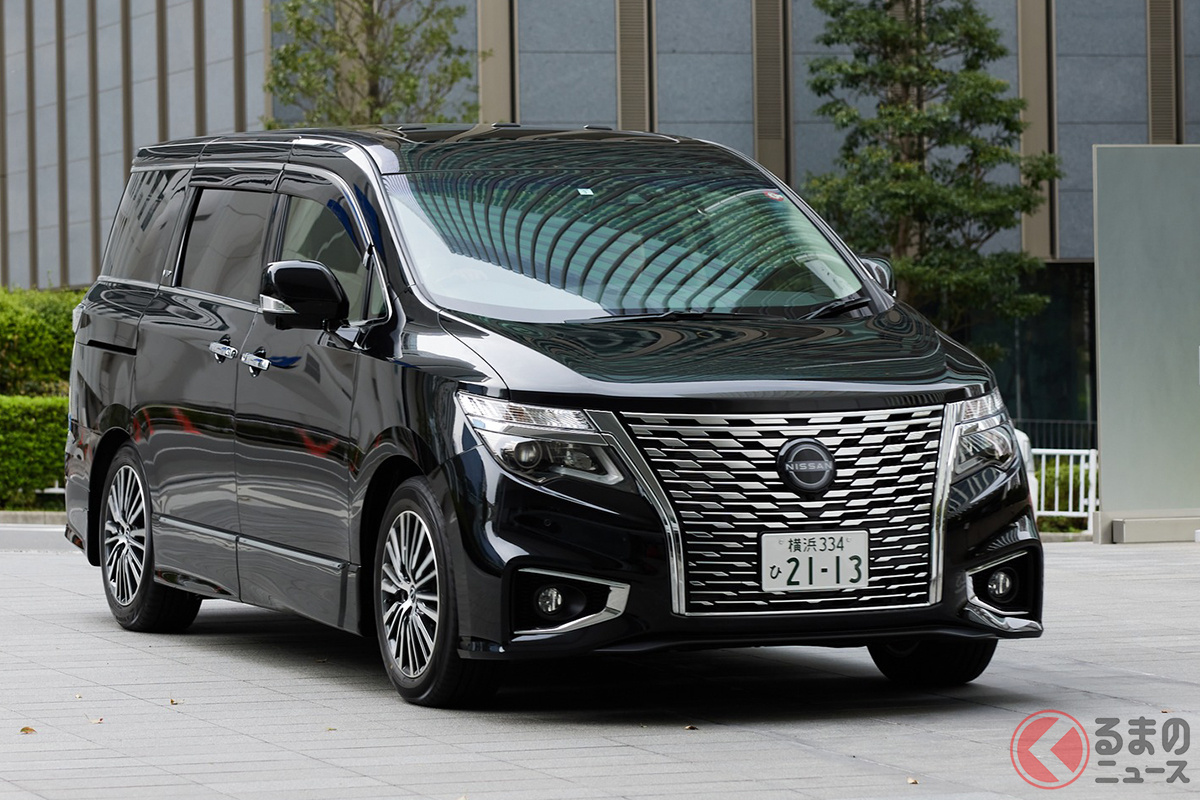
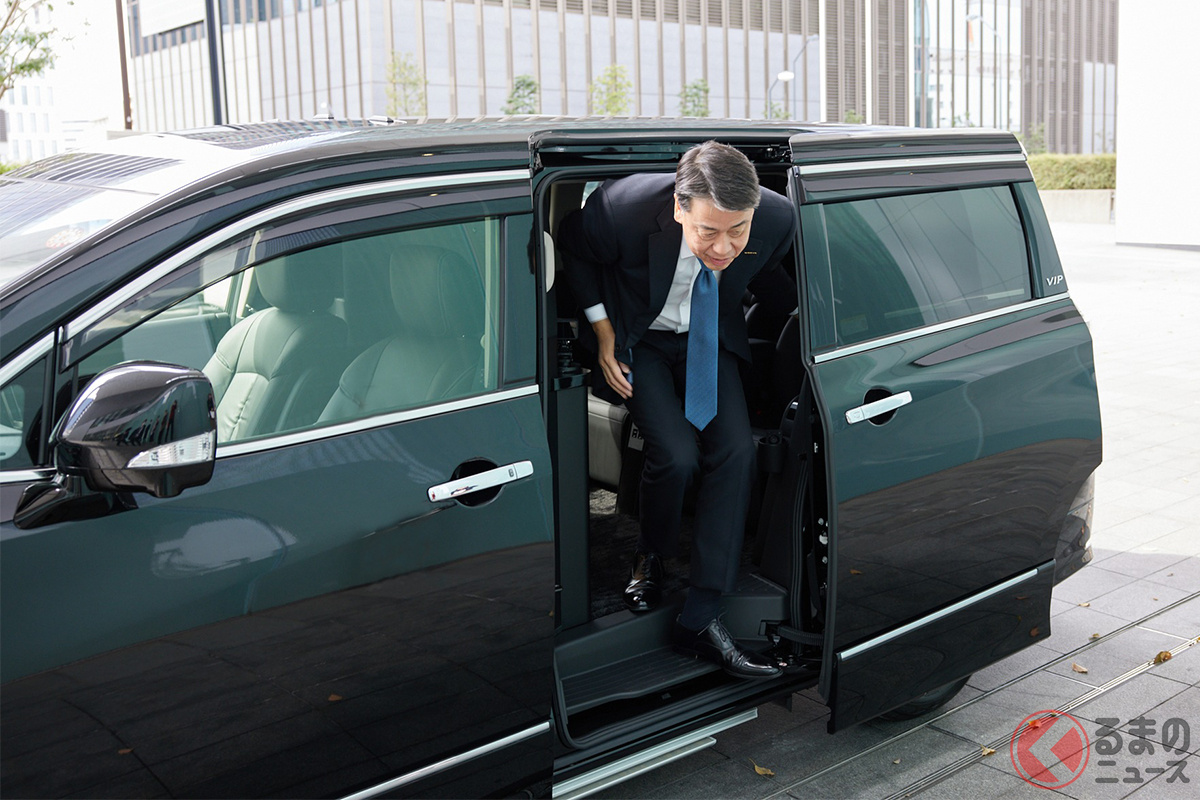
Toyota’s three-row minivan “Alphard” is a popular model known as a luxury minivan used by VIPs such as politicians and entertainers.The highest grade costs 7,752,000 yen including consumption tax, but the base grade can be purchased from 3,597,000 yen.I see, “”Too gorgeous! See 18 photos of the luxurious “”Alphard”” with a price tag of nearly 8 million yen .The luxury minivan favored by VIPs from the worlds of politics and business as well as celebrities! Toyota “”Alphard””.The first-generation Alphard was born in 2002. The current model is the third generation, which was introduced in January 2015.In addition to the 2.5-liter inline 4-cylinder engine model, a 3.5-liter V6 engine model and a 2.5-liter hybrid model are available.Of these, the hybrid model is exclusively 4WD (E-Four), while the 2.5-liter and 3.5-liter models are available in FF and 4WD.This, combined with a diverse grade lineup with different equipment and specifications, is a major factor in the price difference of more than 4 million yen, as mentioned above.
As of early January 2023, there are a total of 14 types of Alphard grades available in Toyota’s catalog.Of these, there are four types for 2.5-liter models, four types for 3.5-liter models, and six types for hybrids.In addition, gasoline models are available in 2WD and 4WD, and some grades are available in 7- or 8-passenger versions, while others are available as special needs vehicles with side lift-up tilt seats, making it difficult to choose just one vehicle from the catalog list.However, exterior differences can be divided into two types: standard body and aero body with modest aero parts.he cheapest model, priced at 3,597,000 yen, is an 8-seat FWD model.The hybrid model is also available in a 7-seat version, priced at 4,656,000 yen.Incidentally, the lowest-priced aero body model is the “”S”” 8-seat FWD specification at 3,941,000 yen, and the same 7-seat specification at 3,985,000 yen. In terms of equipment and specifications alone, it is similar to the standard-body X. The most expensive model, on the other hand, is the Aero body, which costs 3,941,000 yen.
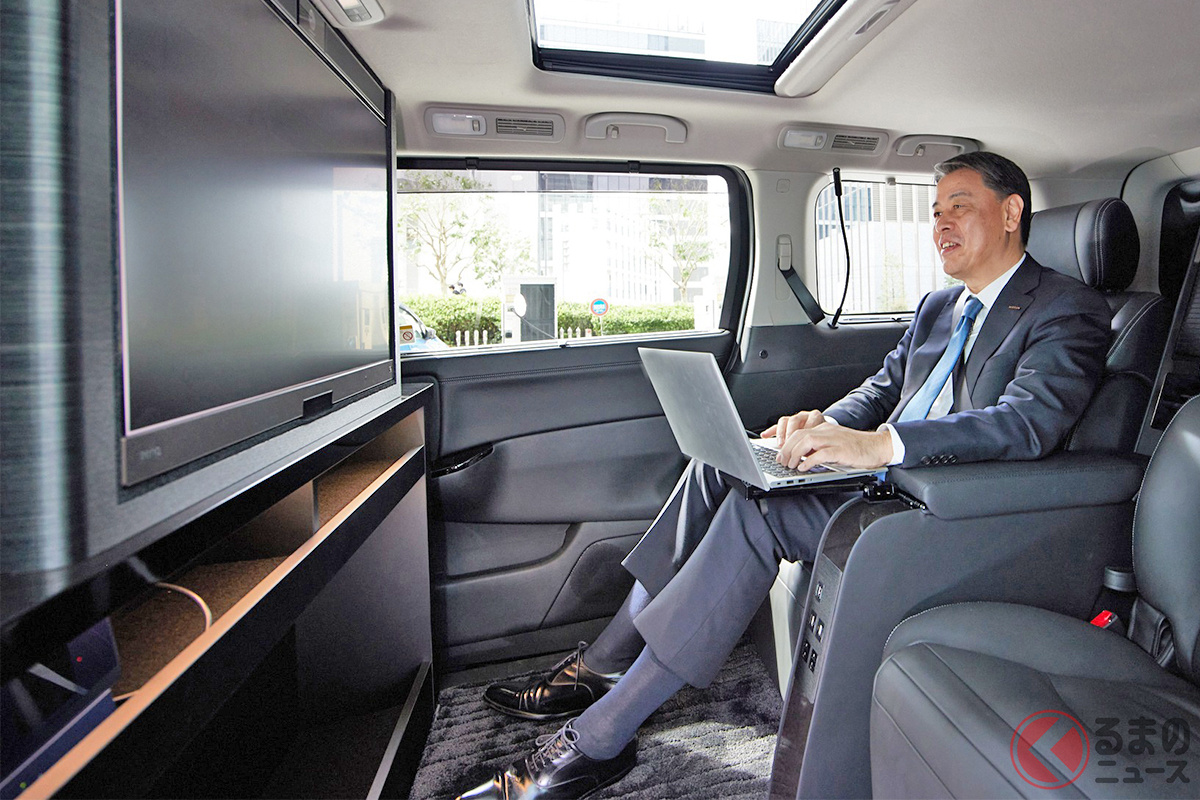
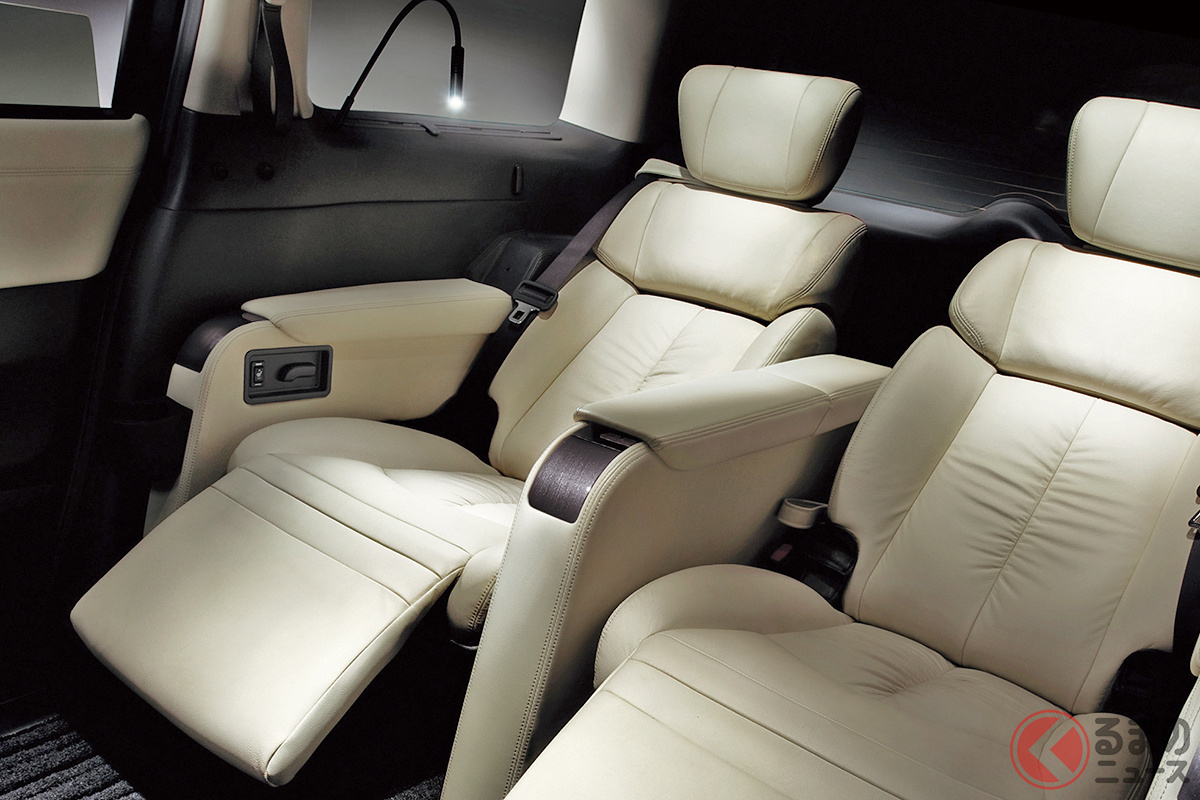
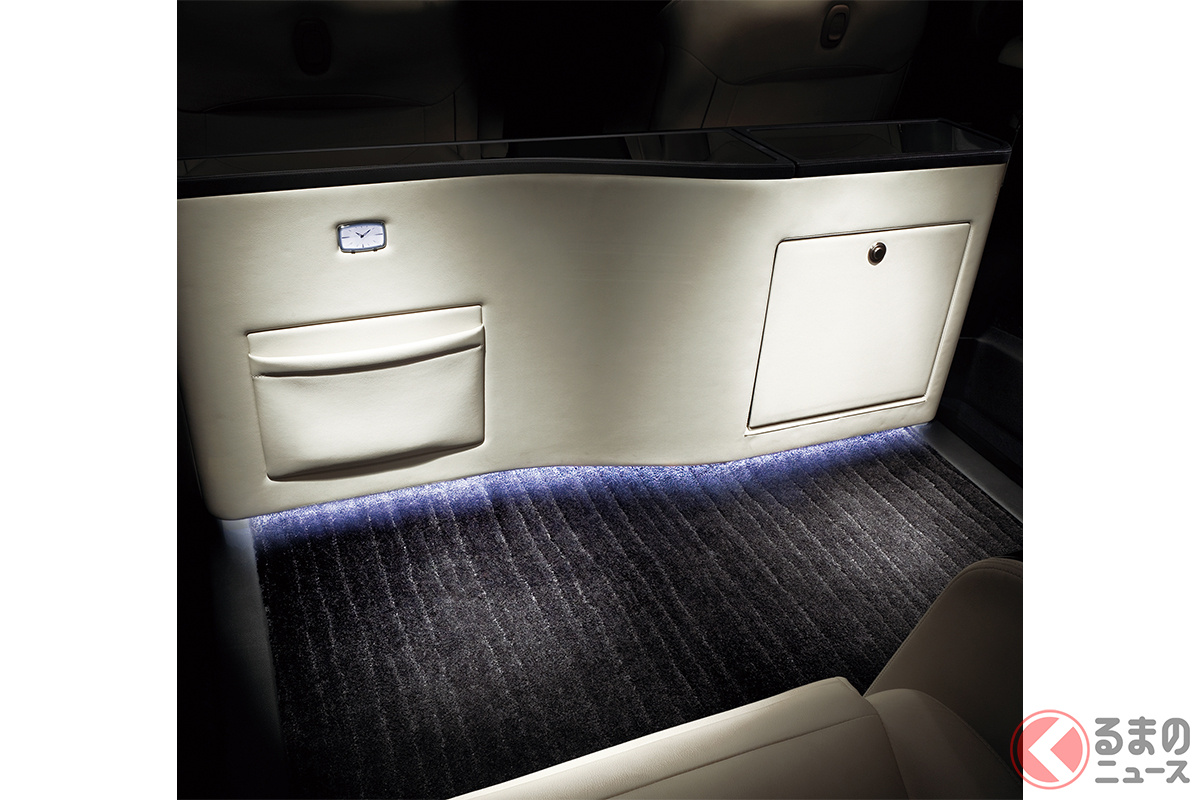
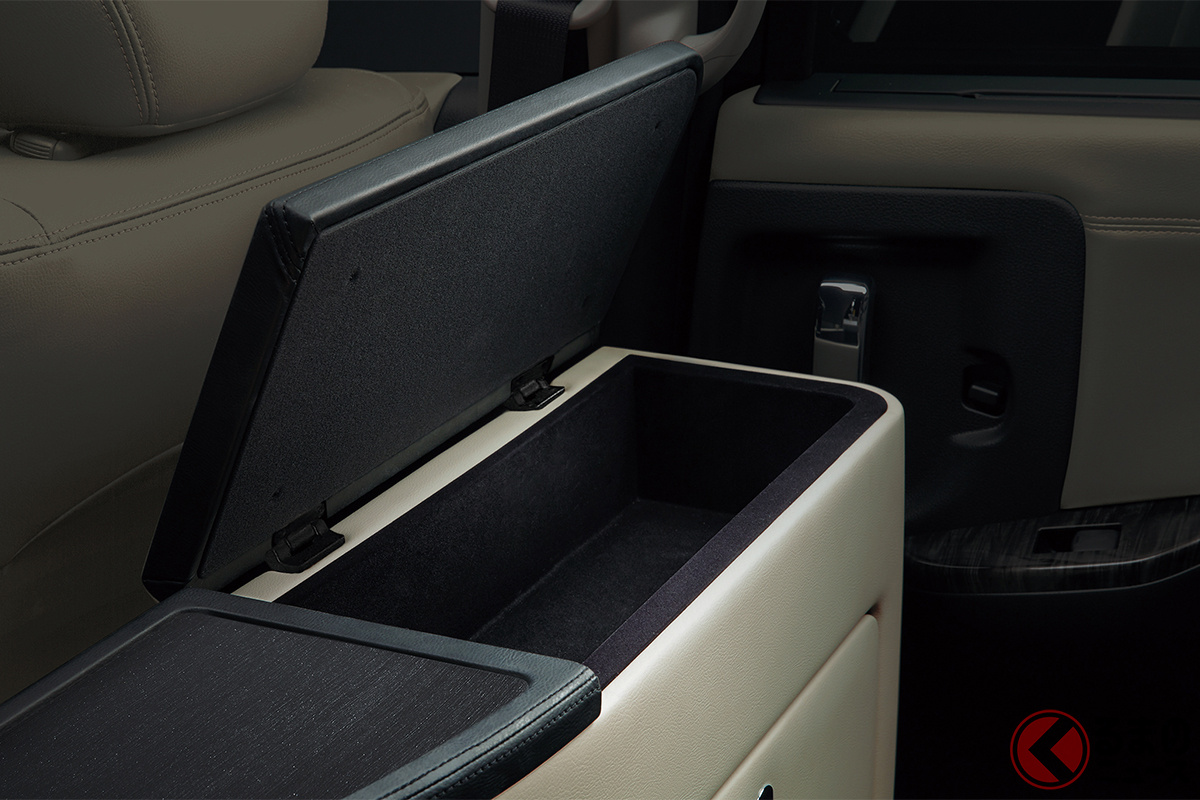
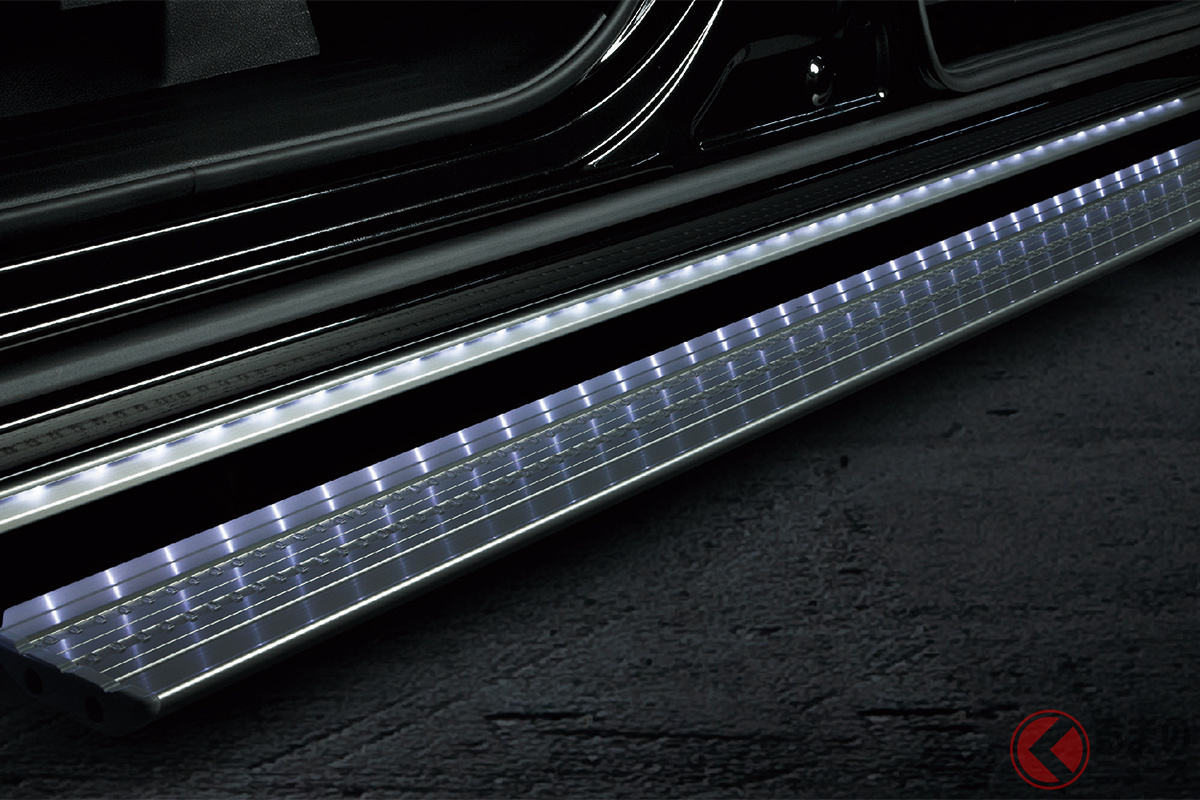
On the other hand, the most expensive model is the Executive Lounge S (Executive Lounge S) with an aero body.he hybrid model is priced at 7,752,000 yen, and a 3.5-liter model is also available, with the FF version priced at 7,442,000 yen and the 4WD version at 7,619,000 yen.There is also a standard body version, the Executive Lounge, with prices ranging from 7,269,000 yen to 7,599,000 yen.The biggest difference between the lowest-priced X/S and the highest-priced Executive Lounge/Executive Lounge S is in the interior.There are some differences, such as more luxurious metal and wood-grain panels decorated in detail on the interior and exterior, but even more significant is the specification of the second-row seat (second seat).
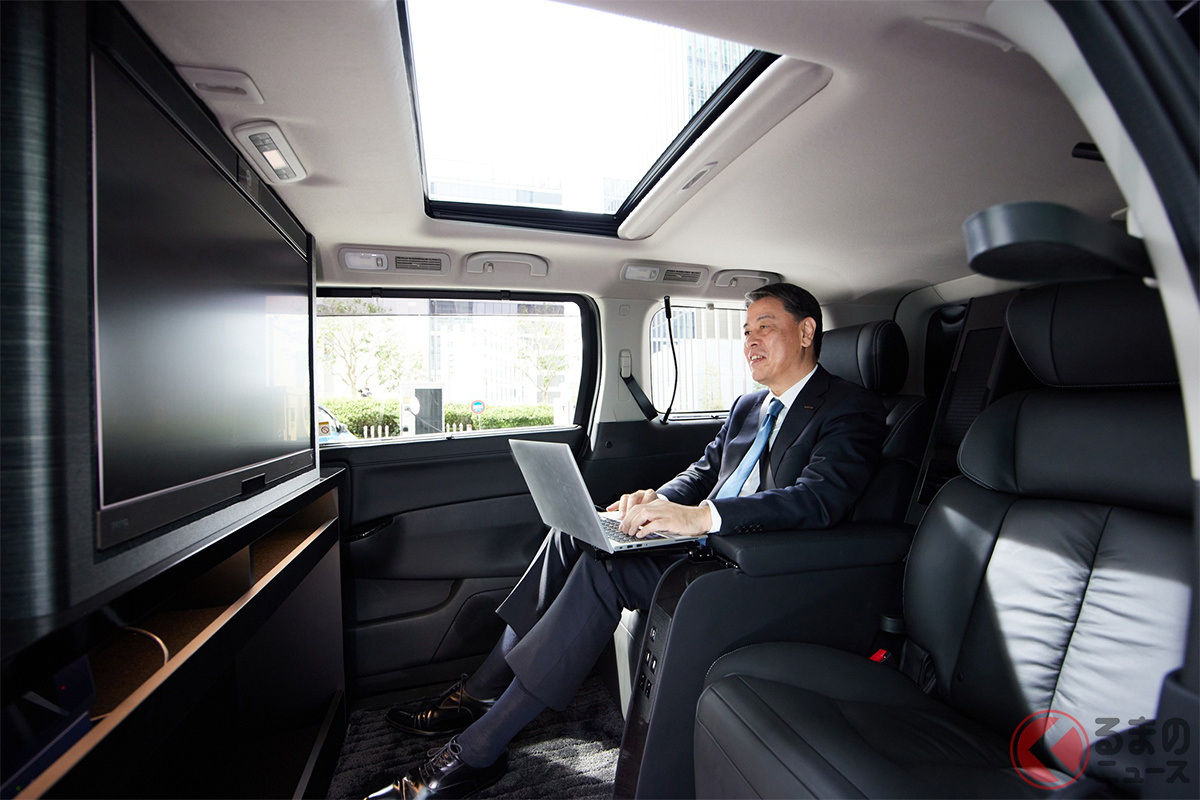
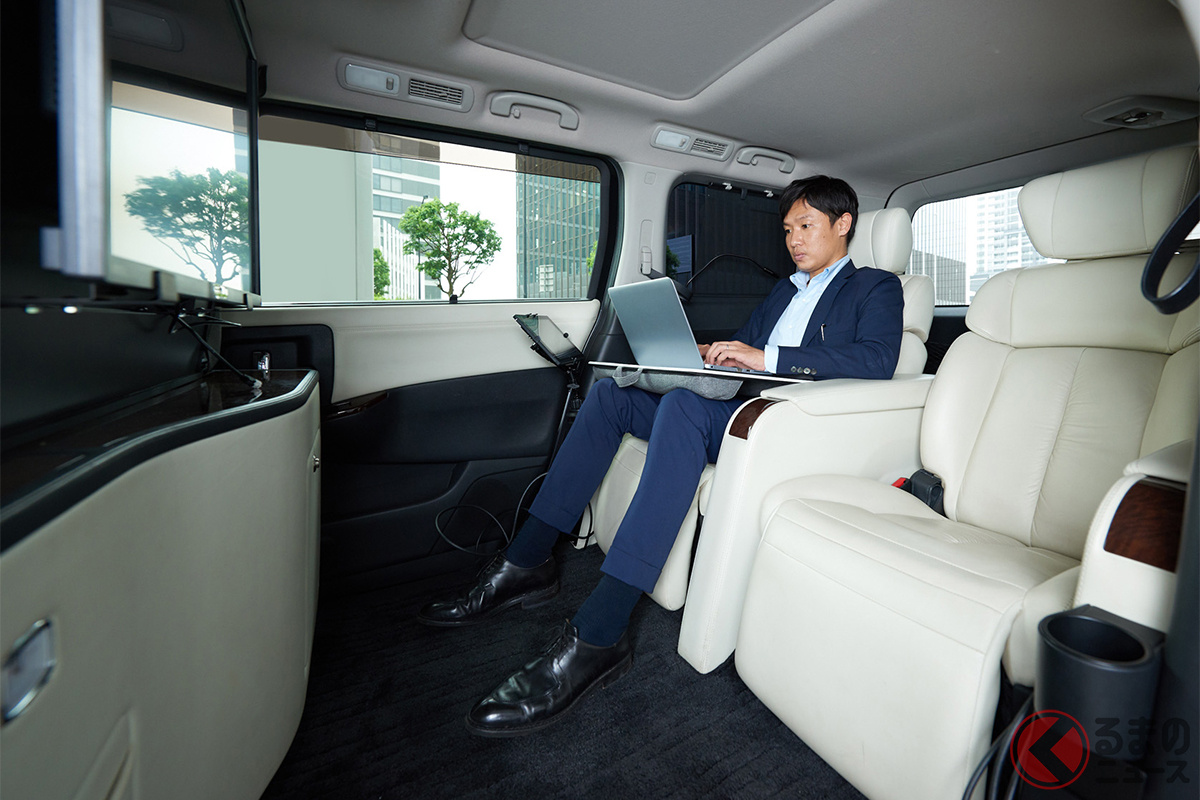
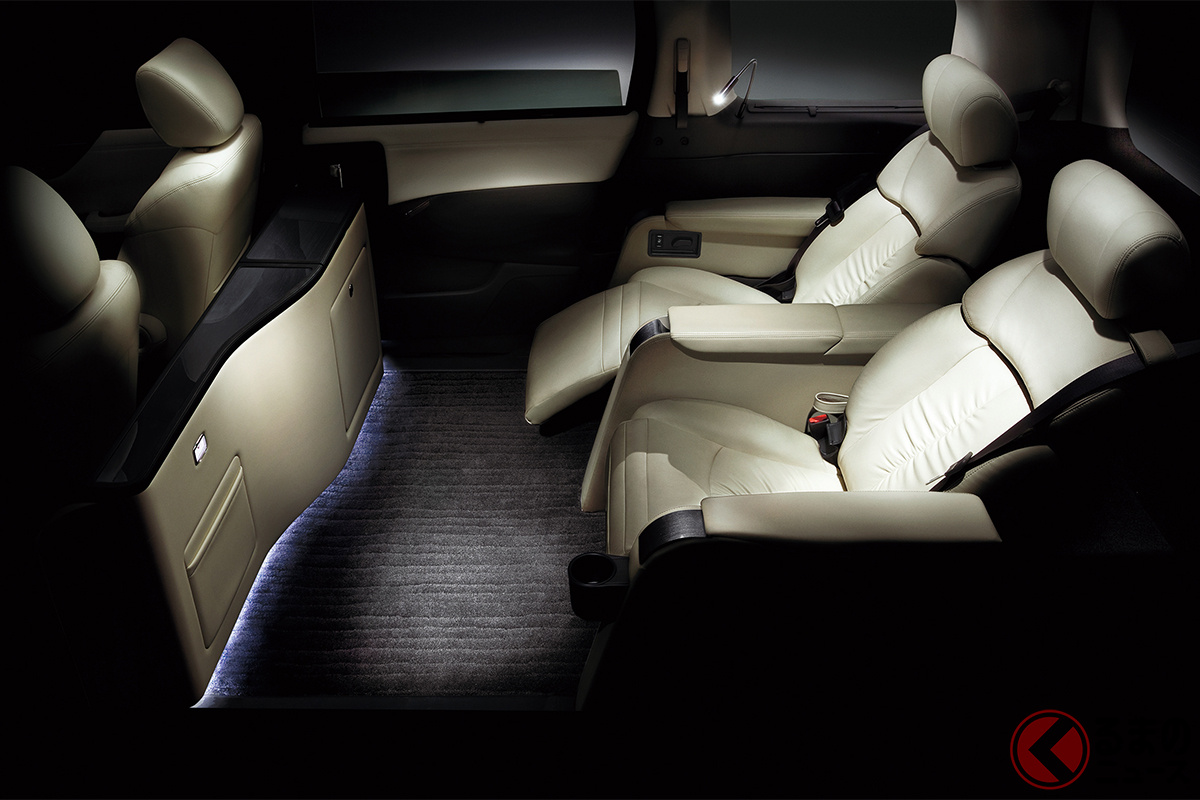
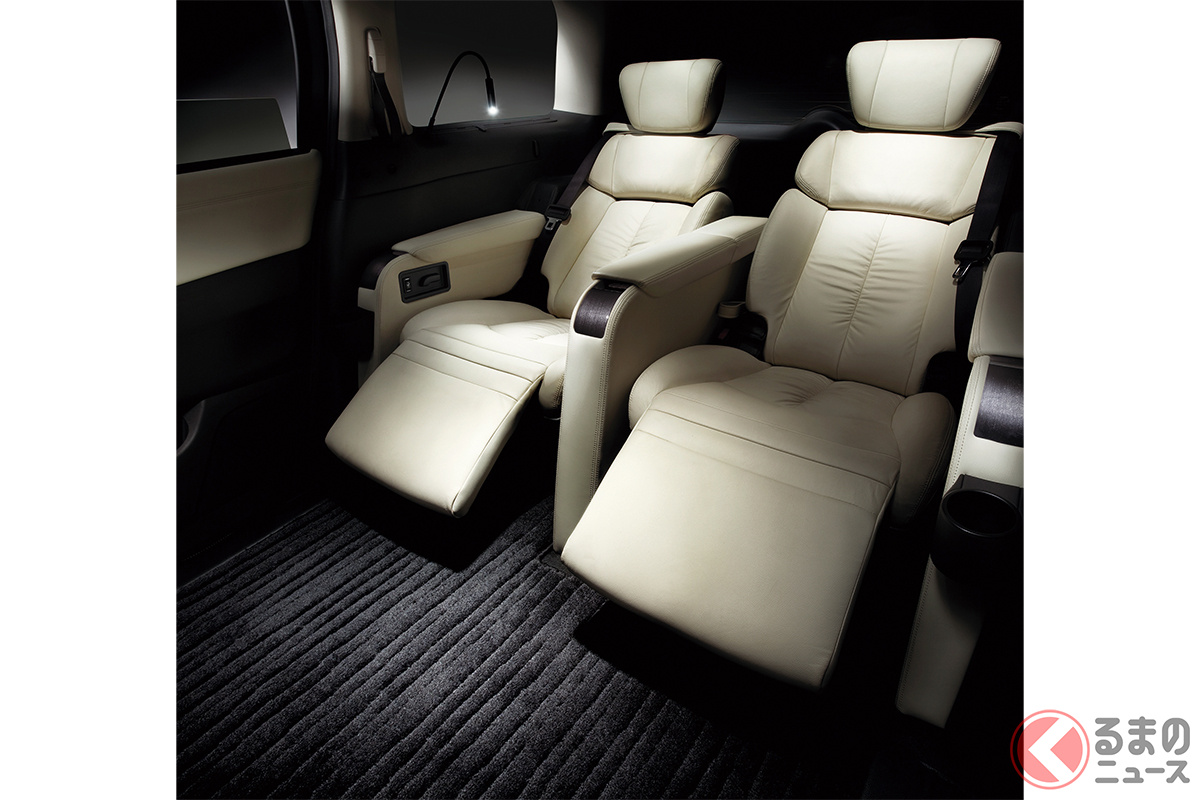
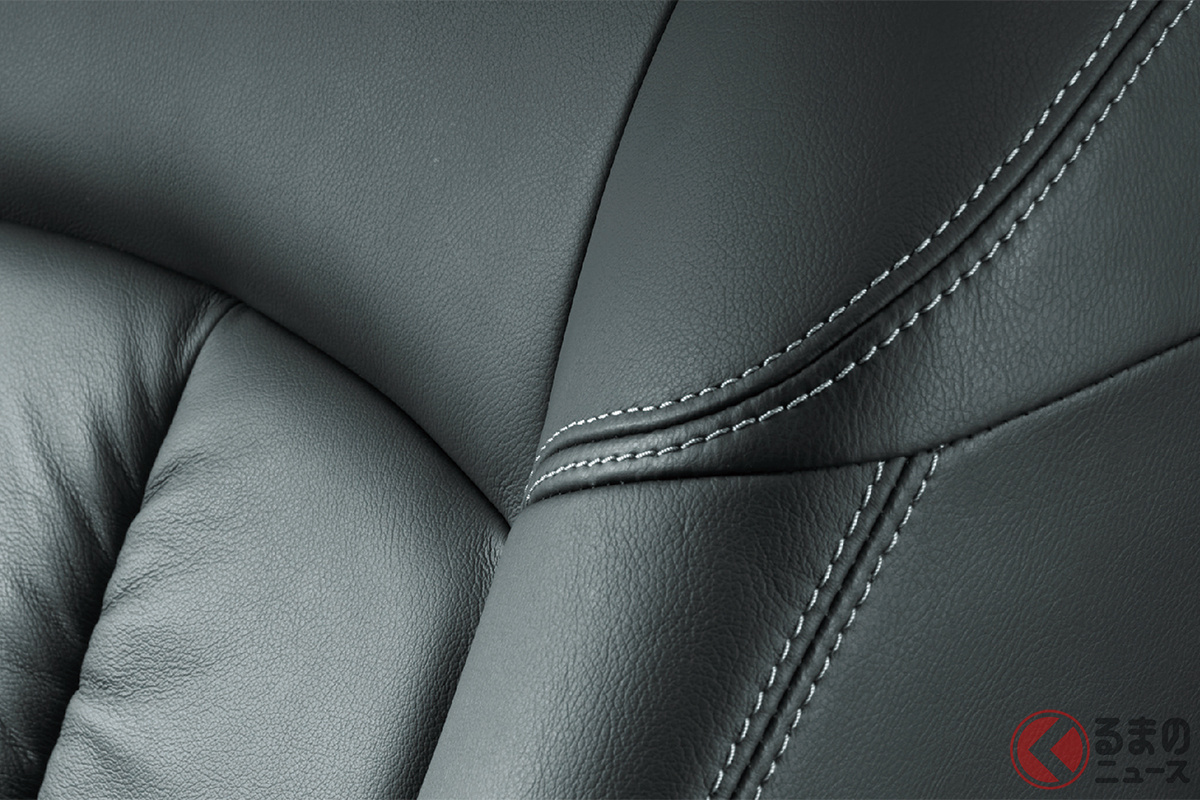
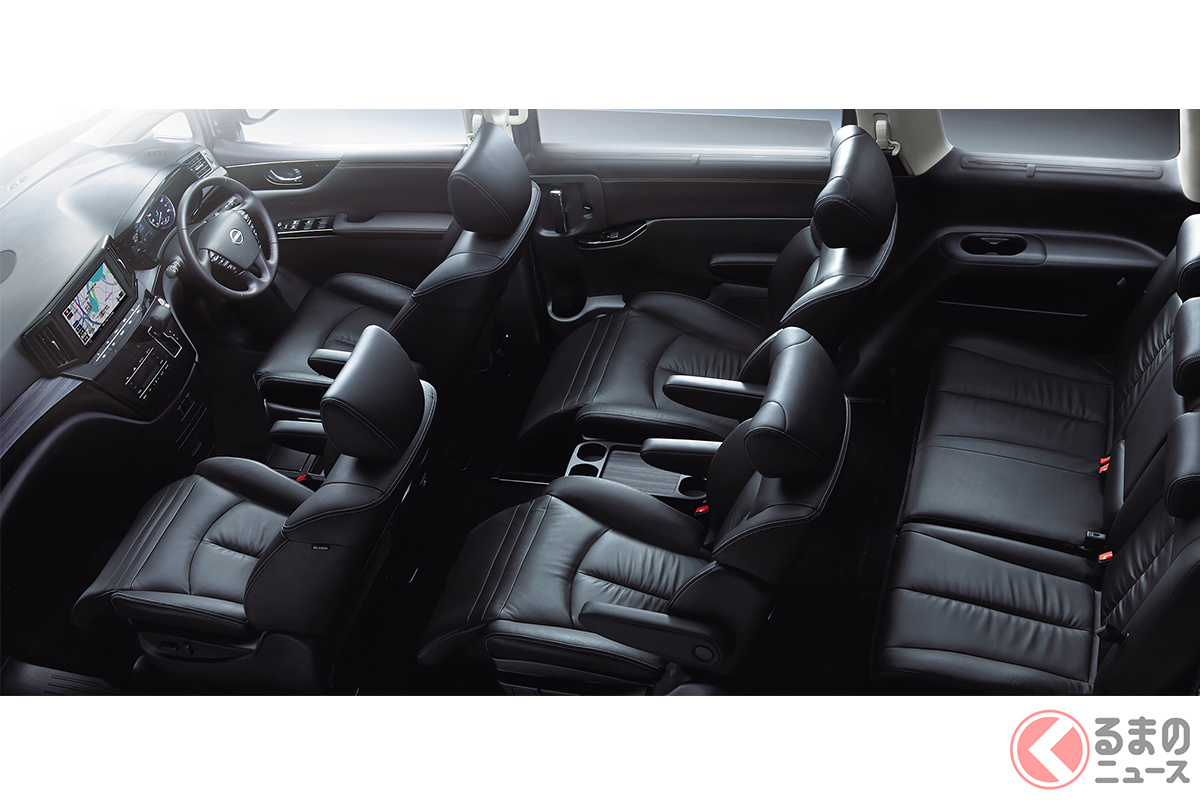
The most basic 8-seat model has a “”6:4 split tip-up”” second row seat that seats three.In contrast, the X/S 7-seat version is equipped with a “”Relaxed Captain’s Seat”” that seats two with an ottoman on either side.By themselves, these seats are luxurious enough, but the second seats in the Executive Lounge and Executive Lounge S are upgraded to the far more luxurious “”Executive Lounge Seats””.The ottoman and seat controls are electrically operated, and the left and right armrests are larger. The seats are made of premium nappa genuine leather, which is characterized by its high quality feel, and the comfort of the seats has also been greatly improved, all of which are clearly differentiated.On the other hand, if you dress up the Alphard with aero parts, wheels, and other customized parts, the base grade is not too much, and you will not notice such a big difference in appearance.
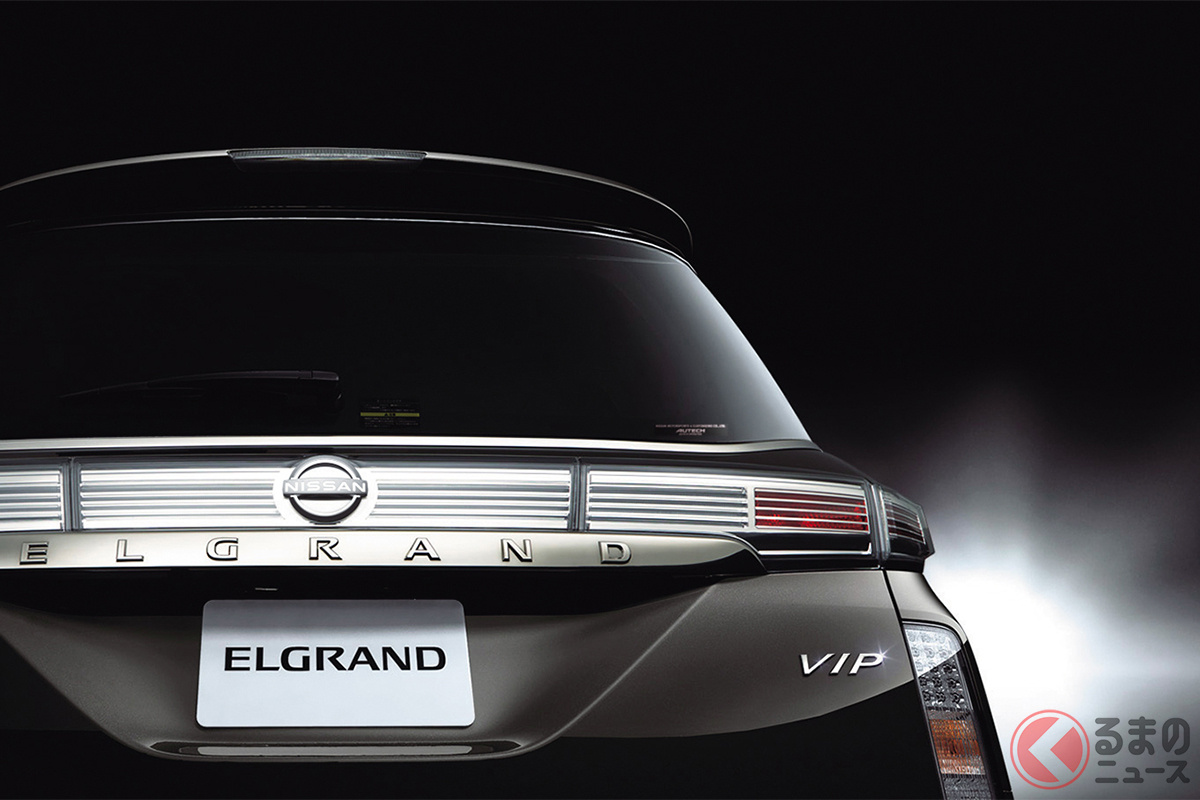
A Toyota dealership in the Tokyo metropolitan area told us the following about the Alphard’s customers.Recently, more and more young customers in their 20s and 30s are buying the Alphard.They particularly like the 2.5-liter model, which has a luxurious feel and good looks, but is available at a price that is the same as the higher grade of Noah/Voxy.However, the “”Executive Lounge”” emblem casually displayed on the tailgate is the biggest difference in appearance that “”people who know”” can recognize.Alphard used to have a special model called “”Royal Lounge,”” which was more expensive than the Executive Lounge and Executive Lounge S models.
It was produced by Toyota Customizing & Development, a company that manufactures customized Toyota models, and is characterized by its ultra-luxurious four-passenger specification.Two exclusive VIP seats, larger than the executive lounge, are set in the rear. In addition to a large display and sound system, it is equipped with a cabinet with a refrigerator.In addition, a partition between the front seats can be selected (standard equipment for the last model), and the price for the last model was over 15 million yen.
The Alphard Royal Lounge is such an ultra-luxury version, but production ended at the end of 2019. It is hoped that it will be revived.- kuruma | autonews | Honda CR-V
Exciting Revival Honda CR-V e FCEV Makes a Strong Comeback in 2024
ByPawaniHonda has unveiled its latest innovation in the form of the CR-V e:FCEV, a hydrogen-powered SUV set to hit the Japanese market in the summer of 2024. This groundbreaking vehicle marks a revival of the CR-V series, which began back in 1995 and has evolved through five generations until its hiatus in 2022. The new CR-V boasts a unique feature – it is an electric vehicle equipped with a hydrogen fuel cell, setting it apart from traditional gasoline and hybrid models.
The CR-V e:FCEV showcases impressive specifications, with a body size measuring
4805mm in length
1865mm in width
1690mm in height
along with a wheelbase of 2700mm.Its design combines strength and luxury, featuring a vertically placed front grille and a spacious interior akin to North American gasoline vehicles. The vehicle’s electric motor delivers a maximum output of 174 horsepower and 229 lb.-ft of torque, with enhanced durability and reduced production costs thanks to a joint development effort with General Motors.
One of the standout features of the CR-V e:FCEV is its versatility in charging and power supply functions. In addition to running on hydrogen, it can also function like a regular EV, offering charging capabilities through a standard SAE J1772 plug. This dual functionality ensures operational flexibility, especially in areas with limited hydrogen infrastructure.
The reception of the CR-V e:FCEV has been positive on social media, with users expressing enthusiasm for its plug-in charging function and potential market success as an SUV model. However, concerns have been raised about the availability of hydrogen stations in Japan and the need for further infrastructure development to support widespread adoption of fuel cell vehicles.
As Honda prepares for the official release of the CR-V e:FCEV, anticipation is high to see how this innovative SUV will resonate with consumers and shape the future of eco-friendly transportation in Japan.
- kuruma | autonews | Subaru | Toyota bZ4X
Toyota bZ4X & Subaru Solterra requests suspension of use … May tires fall off .
“Toyota bZ4X & Subaru Solterra requested to stop using…tires may fall off2022/6/23/22 17:15
On June 23, Toyota Motor Corporation notified the Ministry of Land, Infrastructure, Transport and Tourism of a recall of its Toyota bZ4X and Subaru Solterra models due to the risk of tires falling off the tires, and asked users to stop using the vehicles for the time being. The affected 204 vehicles were manufactured between March 2 and June 2, 2022.
The defective part is the hub bolt that attaches the tire. The bolt may loosen due to repetitive sudden turns or braking. If the vehicle continues to be driven in this condition, an abnormal noise may be heard, and in the worst case, the tire may fall off.
As a remedial measure, all vehicles will be asked to cease use for the time being, and permanent countermeasures will be implemented as soon as they are determined.
No defects or accidents have been reported. The problem was discovered based on information from overseas markets.”
Unleash 430 Horsepower The Thrilling New Ariya NISMO Set to Dominate the EV Market
ByPawaniNissan is set to launch its latest flagship model, the Ariya NISMO, a stunning 5 door sports car that merges cutting edge technology with exhilarating performance. Priced at over 8 million yen, this electric vehicle is generating significant buzz ahead of its release.
The Ariya NISMO is part of the esteemed “NISMO Road Car” series developed by Nissan Motorsports & Customization (NMC) and is built on the SUV-type EV platform of the standard Ariya. Embracing the concept of a crossover of dignity and electricity, this model showcases the expertise NISMO has honed through years of motorsport innovation.
Performance and Design
The exterior design reflects NISMO’s dynamic character, enhancing aerodynamic performance while maintaining the high quality associated with the Ariya. Drawing from race car technology, the Ariya NISMO achieves reduced air resistance and improved downforce. The design theme, “Altria Magma,” symbolizes hidden power, accentuated by the signature red details found throughout the vehicle.The body color, stealth gray, is a hallmark of NISMO road cars, complemented by a specially designed spoiler featuring red accent lines. The car rides on 20 inch aluminum wheels developed in collaboration with Enkei and is fitted with Michelin Pilot Sport EV tires for superior handling.
Interior Features
Inside, the Ariya NISMO focuses on driver engagement, with a sleek black interior highlighted by red accents. Specially designed seats enhance comfort and support, while a unique steering wheel with a center mark adds to the sporty feel. The instrument panel features a distinctive red letter accent, further emphasizing its performance oriented design.Advanced Technology
Under the hood, the Ariya NISMO boasts a 10% increase in maximum output compared to the standard model, delivering an impressive 430 horsepower. The vehicle includes a special “NISMO Driving Mode” that optimizes performance for an exhilarating driving experience.Additionally, the NISMO Tuned e-4ORCE technology, an enhancement of the standard e-4ORCE system, ensures exceptional traction and stability. This system is bolstered by the ATTESA E-TS technology from the legendary GT-R, providing unparalleled performance in various driving conditions.
Sound and Lineup
The Ariya NISMO features a premium BOSE sound system, designed to enhance the driving experience with an exhilarating EV sound reminiscent of Formula E racing.The model will be available in two versions: the B6, with a maximum output of 367 horsepower and 560Nm of torque paired with a 66kWh battery, and the higher end B9, offering 435 horsepower and 600Nm of torque with a 91kWh battery. Prices range from 8,429,300 yen to 9,441,300 yen.
Public Reception
As anticipation builds, many enthusiasts are expressing their excitement on social media, with comments like It’s cool,It looks like a sports car, and It’s solid. However, some potential buyers are taken aback by the high price, stating, It’s expensive and expressing a desire for more accessible models: Please show us some new, nice cars that are within reach.The Ariya NISMO is poised to redefine the electric sports car segment, combining luxury, performance, and advanced technology in a way that captures the spirit of NISMO.
[Toyota bZ4X & Subaru Solterra new test drive] Mobility Solterra and comfort bZ4X .
“Toyota bZ4X & Subaru Solterra New Car Test Ride]The Solterra offers mobility and the bZ4X offers comfort…Takahito Nakamura
260 km from Nagoya to Kanazawa in the bZ4X and SolteraYou need to plan your trip as carefully as you would an airplane.
Comfort of 18 inches is exquisite
Subaru Solterra (left) and Toyota bZ4X (right). Behind them is Nagoya Castle.
Subaru Solterra (left) and Toyota bZ4X (right). In the background is Nagoya CastleToyota bZ4XSubaru SolterraSubaru SolterraYou don’t have to go to Shirakawa-go to see old thatched housesToyota bZ4XSubaru Solterra charging quickly in the townscape
The bZ4X and the Solterra on the 260 km drive from Nagoya to Kanazawa.
A joint test drive of the Toyota bZ4X and Subaru Solterra was held on a grand scale. Starting in Tokyo, the course consisted of a total of five courses in a loop.I was in charge of the 260-km course from Nagoya to Kanazawa, changing trains at Gujo-Hachiman along the way to test the two models. The second half was to reach Kanazawa with at least 50 km remaining. In other words, both courses require recharging the batteries at least once. Well, we could have gone the second half of the course without recharging if we pushed ourselves, but at any rate, we were allotted enough time to recharge at least once at the recharging spots marked on the course to complete the route.
Many people are still unfamiliar with the ins and outs of electric vehicles (EVs) (myself included). This time, the manufacturer’s intention was clear: they wanted us to learn a little about the basics of electric vehicles, including the experience of charging the battery. In other words, the amount of electricity flow differs depending on the charging spot, and it differs from spot to spot. Even for the same 30-minute charge, the more electricity that flows through the spot, the more you can charge.
In the route from Nagoya to Kanazawa, there were many charging spots with a capacity ranging from 20kw to 50kw. It was up to the driver to choose where to go, and some spots were quite far from the route, but the goal was the same for everyone. The goal is the same for everyone: a spot that is not too far off the route and has a large charging capacity. And in most cases, only one car can be recharged at a time. This means that if there is a customer ahead of you, you will have to wait. This is one of the reasons why the infrastructure for electric vehicles is said to be still insufficient. As expected, there were already passengers at the spot we were aiming for, forcing us to rethink our plans.
You need to plan your trip as meticulously as you would an airplane.
Now, vehicles are chosen by lottery. In my case, I first drove the FWD (front-wheel drive) model of the bZ4X, and from Gujo-Hachiman on the way, I was assigned the AWD (all-wheel drive) model of the Solterra. I have test-driven the Solterra on snowy winter roads, but this was the first time for me to drive the bZ4X.
The basic structure of the car is the same from the framework, so there are no major changes, but there are subtle differences in flavor. The bZ4X is more oriented toward comfort and driving performance. Also, both models are available in FWD and AWD, but there are slight differences: while Toyota has a single grade, Subaru has two grades of AWD, and while Toyota has 18-inch tires as standard, Subaru has 20-inch tires as standard on the higher grades. The biggest difference is that the Subaru is sold individually while the Toyota is only available for lease through KINTO.
So we started with a FWD bZ4X. We headed for the Tokai-Hokuriku Expressway from central Nagoya. The car was about 80% fully charged. The manufacturer did not intentionally charge the battery to full capacity. However, when we checked the route, we found that we were supposed to get off the highway at Gujo Hachiman, and there were no spots along the way. The quickest way is to charge the battery at the SA on the highway, but it is too early to do so.
The fate of electric vehicles is that they must decide where to go and check for charging spots along the route. With an internal combustion engine car, you can just go anywhere and if you run out, go to the nearest gas station…but not so with an electric car. But this is not the case with electric vehicles, which require as much detailed travel planning as airplanes. This time, we recharged our batteries at a roadside station called Rustenhorrado. The capacity is 20kw, which is small. While I was charging, two electric car users came to charge their cars, but they gave up when they saw me.
The remaining mileage was about 300 km at the time of departure, so the first half of the journey was an easy one if one ignores the 200 km comment. Once we got off the road, a pleasant winding road continued. There are some ups and downs, but for some reason, the vehicle slows down before each corner. When the road goes downhill, it also slows down at the ups and downs. Later, I was told that the regenerative power is enhanced by sensing the slope and speed of the slope, and in the case of a corner, the camera also recognizes the speed and the corner itself to enhance the regenerative power. In the case of a corner, the camera also recognizes the speed and the corner itself to enhance the regenerative power. Well, this reduces the amount of work the driver has to do, and although it may not be appropriate to use the word, it makes the driver look even more foolish. Is this just another trend of the times?
18-inch comfort is exquisite
By the way, the comfort of 18-inch wheels is exquisite. The Soltera, which I rode later in the day, was equipped with 20-inch wheels, but these were a bit too much. Well, it may have much better traction in corners, but I don’t think I would want to drive an electric car that fast in the first place. I am well aware that it has tremendous acceleration power if you step on it, but its acceleration does not have the elation (mainly the sound and the acceleration you can feel) that is characteristic of internal-combustion cars. It is ridiculously fast, but I feel a sense of sadness like a sparkler.From Gujo-Hachiman onward, the car is a Soltera. Although it is not as comfortable as the 18-inch bZ4Z, it is equipped with features that make driving enjoyable, such as paddles with variable regenerative power. Come to think of it, this car was equipped with a Harman Kardon audio system, while the first half of the Toyota was equipped with a JBL audio system. The quietness of the car makes it a fun choice for electric cars.
Electric vehicles still have a lot of issues to address, such as the disposal of batteries. Toyota’s approach of using subs and collecting the vehicle is likely to be less troublesome.
■5-star rating
Packaging: ★★★★
Interior/Comfort: ★★★★
Power Source: ★★★★
Footwork: ★★★★
Recommendation: ★★★★Takahito Nakamura, AJAJ Member
Born in 1952, Takahito Nakamura was a car enthusiast, gracing the pages of Motor Magazine at the age of four. In 1977, he entered the journalism industry and has been working as a freelance journalist for 44 years. He is also currently the president of Shofadept, a company that offers driving lessons to businesses and seniors.”[Subaru Levorg 1000km test drive] It’s about time I want a Uri to replace “Symmetrical AWD” .
“Subaru Levorg 1000km Test Drive]It’s about time for an alternative to “”Symmetrical AWD “”20April 2, 2010, 19:00
Subaru Levorg 1.8 STI Sport with about 1000km on the odometer. At the Hijiori hot springs, where the scent of the Showa era is in the air. Front view of the Subaru Levorg 1.8 STI Sport. Rear view of the Subaru Levorg 1.8 STI Sport. The face of the Subaru Levorg 1.8 STI Sport. At Hijiori Onsen, Yamagata. Tail of the Subaru Levorg 1.8 STI Sport. It looks like a wall of snow from snow removal, but underneath this snow is a section of Route 458 that is closed for the winter.
Side view of the Subaru Levorg 1.8 STI Sport. The front and rear door opening lengths are generous enough, but the maximum opening and closing angles of the front and rear doors are not so large. The car’s driving stability on icy roads was at a noteworthy level.
We had a chance to tour about 1,000 km in Subaru’s C-segment station wagon “”Levorg”” and would like to report our impressions.The Levorg is a relatively new model, with the first generation launched in 2014 to cover the growing size of the mainstay mid-size Legacy and Outback models, which were no longer suited to the Japanese market. This is an ambitious project, in which almost all technologies, including the platform, engine, and ADAS (Advanced Driver Assistance System), have been changed from one generation to the next. In addition to the Japanese market, it is also sold in the European market, where car consumption trends are similar to those in Japan.
The road test vehicle was the 1.8-liter turbocharged high-end “”STI Sport EX”” equipped with the new ADAS “”EyeSight X””. The test drive was conducted on a round trip from Tokyo to Yamagata, with the furthest destination being the famous Hijiori Onsen hot spring resort, which is famous for its heavy snowfall. The outward route was via Fukushima and Yamagata on the highway, and the return route was via Yonezawa, Kitakata in Fukushima, Aizu Tajima, Nikko in Tochigi, and back to Tokyo on the open road. The rough road ratio was 2 urban, 3 suburban, 3 highway, and 2 mountain roads, with one passenger and air conditioning on AUTO.
First, let us list five advantages and five disadvantages of the Levorg STI Sport EX.
.
■Pros
1. ease of use in snowy areas, which seems to have been designed on the basis of engineers’ actual experience.
(2) Straightforward and controllable handling on snow and in the dry.
3. high roll rigidity, but not too uncomfortable to ride in.
Front seats have excellent seating comfort and are not fatiguing.
5. spacious rear seat comfort and large cargo space.Disadvantages
Fuel economy is disappointing for an engine with a maximum thermal efficiency of 40%.
(2) The ride feel is not as luxurious as that of the company’s XV e-BOXER.
Only when guiding the driver along the route can the driver experience the special feeling of the EyeSight X.
4. at over 4.7m in length, it is a bit long for this class.
It is about time for an alternative to Symmetrical AWD (4-wheel drive).Now, let’s start with impressions.
Good cohesion of driving performance, comfort, and utility
Touring 1,000 km with STI Sport EX, a sporty grade of the 2nd generation Levorg. My driving impression was that it was a very well organized station wagon with a full range of driving performance, comfort, and utility features. The dynamic quality of the car is really high, and it is very pleasant to drive. Winter driving performance was also excellent, and the car was able to drive briskly even in conditions where the road was covered with a thick layer of soft snow. The camera installed under the hood is very useful for ensuring safety in snowy areas where visibility is extremely poor due to snow walls, and the car’s high adaptability to northern regions is a true testament to Subaru.On the other hand, the energy efficiency of the powertrain was unexpectedly low, and the quality of the interior and exterior was childish. Traditional Subaru users will be very satisfied with the Subaru’s all-weather tourer character, including snow-covered roads, and its high dynamic quality, but if the aforementioned weak points were eliminated, the Subaru would have a wider customer base in Japan and Europe, where the need for a body of this size is high. It was a little regrettable.
Now, let us discuss the details.
The first is the “”Mazda2″”. Driving performance and ride comfort in different situations are
General Roads: The 2nd generation Levorg has a very solid feel. Perhaps due to the good tuning of rubber parts such as the front suspension upper mount rubbers, the steering wheel hardly generates a rattling feeling even when going over rough pavement. Harshness (rumbling and roughness) cutting is also excellent. Also, the steering wheel feels as smooth as that of a high-end sports car, making the drive enjoyable.
The STI Sport is equipped with an electronically controlled suspension with three levels of shock absorber damping force, and even at the firmest Sport setting, the thrust was minimal and comfortable. The softest setting, Concort, softens the suspension considerably, but the up-and-down movement of the heavy 235-mm wide tires is slightly less controlled, resulting in a slight bouncing sensation. In the end, I spent most of my time in the Sport, which is highly agile and has little to lose in terms of ride comfort.
On the highway, straight line stability during highway cruise is excellent, and the ride is basically comfortable. The suspension mode is also suitable for this stage where the road surface itself is clean and it is more important to absorb long period undulations (undulations of the road surface), such as on the Tohoku Expressway and the Tohoku Chuo Expressway.
However, compared to Subaru’s XV e-BOXER crossover SUV, which has a fixed suspension but is smooth enough to make it lose face in the premium segment in Europe, this vehicle is a step behind in terms of quality. It was marginally better than the regular XV, but we did wish this car had that mellow taste.
The car’s stability on icy roads was at a noteworthy level.
The car’s driving stability on icy roads was at a noteworthy level.
Mountain roads: Even with the STI Sports grade, the Levorg is not a sports car, but its performance is more than adequate for driving on public roads in Japan. The roll balance of the front and rear suspensions is very good, and the car is not dependent only on the grip of the front tires, but is also well tuned to feel the friction of the road surface while driving hard. The car was a very good example of the type of car that can be used in the market. Subaru vehicles are characterized by long front overhangs due to the structure in which the horizontally opposed engine and transmission are arranged in series, but I hardly felt the weight of the nose.On snow and ice: This is where the Levorg really shines. Even when understeering occurs on low-muelled roads, the rear wheels are set up to control the driving force to create a clean turning posture. We also tried driving on deep snow in the Hijiori Hot Springs area, and even if one of the four wheels idled for a moment, the other wheels recovered quickly, and there was very little meandering. The temperature from Yonezawa in Yamagata Prefecture to Kitakata in Aizu was minus 11 degrees Celsius, and almost all of the road was icy except for the tunnel, but the combination of the Blizzak VRX3’s good grip on ice and constant four-wheel drive made it possible to drive through the snow without any worries.
The tires installed were Bridgestone Blizzak VRX3 studless tires in 235/40R18 size. The performance is excellent not only on ice, but also in dry grip and quietness. The price was well worth it.
The Bridgestone Blizzak VRX3 studless tires are 235/40R18 size. The performance was excellent not only on ice but also dry grip and quietness. The price was well worth it.
Symmetrical AWD is Subaru’s signature technology, and it is a wonderful thing, but I also felt that it was time to look for the next strong point. The opponent is electric AWD, which is being refined by Tesla, Volvo, and in Japan by Nissan and Mitsubishi Motors, etc. Usually, electric AWD provides supplementary driving force to the rear wheels, but these are equipped with powerful motors on both front and rear axles and have no mechanical restrictions on the distribution of driving force between front and rear. The range of tuning is wide, and because electric motors are used, the degree of control is much greater than that of engine-powered vehicles. It is amazing that a mechanical drive force distribution can compete with such a car, but I had the feeling that there was not much time left for me to spend leaning on this technology.The “”speed”” is perfect. But is it fuel efficient enough?
The Levorg’s engine is a newly developed 1.8-liter horizontally opposed direct-injection turbo with maximum output of 130 kW (177 ps). The transmission is a metal chain-driven CVT (continuously variable transmission), a specialty of the company. The acceleration time from 0-100km/h was 7.9 seconds based on actual measurements using GPS. This time is respectable for a model with a power-to-weight ratio of a little less than 9 kg/ps. A 2.4-liter turbo engine with a maximum output of 202 kW (275 ps) is also available for those who want even more speed.The dynamic performance was good, but fuel economy was not as high as expected, even taking into account some driving on snow. The 864.3-km segment starting from Katsushika, Tokyo, and reaching Oyama, Tochigi, after touring around Tohoku, was fueled with 55.54 liters and the actual fuel consumption was 15.5 km/liter. The 91.7-km segment from there back to Tokyo was fueled with 7.94 liters, for an actual fuel consumption of 12.2 km/liter. Over all, 15.1 km/liter.
Engine bay of the Levorg 1.8 STI Sport. The intercooler is placed on top of the short horizontally opposed engine, among other things, a familiar sight to Subaruists.
The engine bay of the Levorg 1.8 STI Sport. The intercooler is placed on top of the short horizontally opposed engine, a familiar sight to Subaruists.
One might think that an AWD station wagon weighing in the 1.5-ton range would run this well, but Subaru engineers were confident in the engine’s 40% peak thermal efficiency. Even though the engine is not highly efficient throughout the entire range, I felt that I could not improve the fuel efficiency as much as I wanted in the early part of the drive, so I tried to find the sweet spot in my own way, and being a person who lacks patience, I was careful not to waste energy throughout the drive except for a few sections. But I found this figure to be a little disappointing. If the same driving style could get at least 17 km per liter, the impression would be different, and we would like to see the car improved.The engine sound is not the Subaru sound of the days of unequal-length exhaust pipes, but it is clearly different from the sound of a normal inline 4-cylinder engine, with a “”shrollrollrollrollroll…”” sound. The driver can still feel the satisfaction of being equipped with a special type of engine.
Comfort and cargo space as good as those of the European wagons
The horizontally opposed + AWD powertrain, in which the engine and transmission are longitudinally arranged in series with the front wheels’ shaft coupling located far back, has a large front-to-back length, which is less efficient in terms of packaging than a typical transverse-mount engine. However, with an overall length of 4755 mm, the second-generation Levorg is considerably longer than a typical C-segment station wagon, and both the interior and cargo space do not feel cramped at all; in fact, they are quite spacious.Front seats. The shoulder support is very effective and provides excellent stability.
Front seats. The shoulder support works very well and the body stability is excellent.
The design of the front seats is very good. The STI Sports seats have leather upholstery, which is also non-slip, and the minimal feeling of fatigue after 1,000 km was first-rate.The seats are leather, but they are also slip resistant and the feeling of fatigue after 1000 km was first class. The instrument panel of the STI Sports EX is a large, all-LCD display that can be changed dynamically between pointer type, digital type, and car navigation screen, just like an imported car. The car navigation screen is particularly useful, as it is quite large and allows the driver to grasp map information at a glance. There are many arguments about where the car navigation screen should be placed for safety, but at least this one is incomparably easier to see than the one in the center cluster.
Since there was only one passenger in the car throughout the trip, we were not able to check the rear seats while the car was running, but at least the space did not feel cramped at all. Legroom is generous and relaxing. The seat backs are bucket-shaped, although not as much as the front seats, and when I sat down and swung my body from side to side, I got the impression that the lateral G-force resistance was not bad at all.
Thanks to the long body, the cargo capacity with the rear seats folded down is comparable to that of a D-segment station wagon, which is one class higher.
Thanks to its long body length, the cargo capacity with the rear seats folded down is comparable to that of a D-segment station wagon, which is one class higher.
The cargo area is vast and can hold a lot of tools. When Subaru rents out its vehicles for the winter, it includes seven tools for getting out of a stack. A ladder to hook onto the tires, a shovel, tire socks, hand wipers and brushes, snow melting chemicals, boots, etc., are all packed in a fairly large box emblazoned with the STI logo. The box occupies only a small corner of the cargo area, so it would be no problem to load a large amount of other large items into the cargo area.The cargo space is said to be 561 liters according to the VDA system, but it is much larger than the 600-liter European C It did not look so inferior to the Volkswagen Golf Variant and Peugeot 308SW, the east and west champions of the station wagon segment. It would be well suited as a vacation express.
EyeSight X value, luxury car-like active high beams
The instrument panel is as versatile as a premium segment model in terms of display switching, including a pointer type, EyeSight X mode, and in-car navigation system. It also provides signal alerts as shown in the photo.
The meter panel can switch between a wide variety of displays, including the indicator type, EyeSight X mode, car navigation system, etc., just like a premium segment model. As shown in the photo, signal alerts are also displayed.
The test car was equipped with “”EyeSight X,”” a new-generation driver assistance system that can use the positioning of the quasi-zenith satellite “”MICHIBIKI. This system performed very well when the car’s navigation system was guiding the route. First of all, the system did not hesitate to keep the car in its lane and did not try to go in strange directions even when the road surface lines were slightly fading or the center pole was irregularly lined up. The lane change assist that works with the turn signals was also much smoother than the Tesla Model 3, which requires a much higher margin of safety.The system can be used as a normal ADAS without route guidance, but the performance then was less than with route guidance…or rather, the sensation was that it would be a normal EyeSight. In Japan, roads are more irregular than in other developed countries, and the lines on highways, the length of exits and inlets, and the curvature of curves can be rather varied. In such places, one sometimes makes a mistake in recognition and gets pulled onto the outflow road, and so on, which makes one’s ability to be on par. If the system can be improved to the point that it is completely different even when not being guided, people will find it more valuable.
The headlamps implement active high beams that avoid vehicles ahead and oncoming traffic. This performance was very good.
The headlamps are equipped with active high beams that avoid vehicles ahead and oncoming traffic. This performance was very good.
The headlamps are equipped with active high beams that avoid vehicles ahead and oncoming traffic, which is a big plus when driving at night. The adaptive beam system, which changes light distribution characteristics in conjunction with the steering wheel, also provided ample illumination capability. The car was safe to drive even on the pitch-dark roads between Yonezawa and Kitakata. Incidentally, the number of vehicles equipped with active high beams has been increasing recently, but the Levorg’s system not only switches between high and low beams, but also seems to operate in such a way that the high and low beams change continuously. It is a luxury car.The deciding factor in choosing the Levorg was its “”snow resistance.””
Some deep snow roads. As expected, there was a lot of idling, but the car rarely swung sideways. Normally, we would have liked to test the car on a more severe road.
Slightly deep snow. As expected, the car idled a lot, but it rarely swung sideways. Normally, we would have liked to test the car on a tougher road.
Although the drive in heavy snow ended in a disappointment, the second-generation Levorg is a model with a unique product lineup: an all-weather AWD wagon that can perform well in dry, wet, snowy, and icy conditions, as well as on good and bad roads. The ride feel is closer to that of the WRX sports sedan than to the more sedate XV e-boxer. It was a very pleasant ride, but we would have liked to see the electronic suspension tuned to soften the ride so that it would lick off all road irregularities like the XV e-BOXER.A non-premium C-segment vehicle with a starting price of over 3 million yen is a bit of a unique position, and there are no rivals that seem to compete directly with it. If we had to pick a domestic car, we would say the Toyota Corolla Touring, but its price range is about 1 million yen different, and its body size and space are completely different, so it would not be a difficult choice to make. In terms of price, the 8th generation Golf Variant and the 308SW, which were cited in the section on cargo space, are close, but they are also different in terms of speed and drive system.
The reason to choose the Levorg is not only its speed and fun factor, but also its ability to withstand snow. Many of Subaru’s R&D staff are from northern countries such as Hokkaido and Tohoku. Because of their firsthand knowledge of snowy regions, they have a wealth of ideas not only on performance, but also on what problems are encountered in car life in snowy regions, and how to solve them.
Driving while looking at the silvery white Chokaisan in the distance.
Driving with the silvery Chokai Mountains in the distance.
Three years ago, I drove a Subaru in a snowy area, and I remember how hard it was to get snow on the tail lamps. Recently, LED lamps, which generate less heat, have become widely used, and it often happens that the tail lamps are covered with snow, making it difficult for following cars to see them. Subaru cars are also increasingly using LEDs, but if you look at the rear of the car, you will see that the garnish-like part of the car is covered with snow, but the lamps are almost completely free of snow.In the past, the combination lamps of Mercedes-Benz cars had sharp bumps on them, but I remember that this was done so that the brake lamps and direction indicator lights could be seen even if only in a glimpse. I was made acutely aware once again of this fact. In order to see where such ingenuity lies, I attempted to drive in the snow in a Levorg, but came up empty this time. I would like to try again if I have the chance.”