











Similar Posts
Toyota’s New Prius Sporty Specification Unveiled for the First Time in the World .
ByPawaniToyota’s New Prius Sporty Specification Unveiled for the First Time in the World – Original Styling Receives Many Reactions! Some say it is the “”coolest looking eco-car ever!
What is the new Prius, the pursuit of functional beauty that can be driven at will?
The new Toyota Prius will have its world premiere on November 16, 2022.
On the same day, images of a car equipped with GR parts were also released, but what kind of feedback will we see?This looks fast… Look at the design of the new “”Prius Sporty version””!
New Prius equipped with GR parts in pursuit of functional beauty that can be driven at will
The new Prius, now in its fifth generation, has been developed as a model with “”a design that makes you fall in love at first sight”” and “”a driving experience that makes you fall in love with it”” with the desire that “”it will be loved for a long time because it is an eco-car within everyone’s reach.
The new Prius features U-shaped, advanced headlights, a wider and lower stance than its predecessor, and a body shape that is simple, sharp, and luxurious.
In addition, the second-generation TNGA platform (GA-C) has achieved an even lower center of gravity and has evolved into stylish and sporty proportions with large-diameter 19-inch wheels.To coincide with the announcement of the new Prius, the official website of Toyota Racing Development (TRD) is showing the design of a car equipped with GR parts in advance.
Currently (November 25, 2022), two images of the new Prius with GR parts specification are available on TDR’s official website.
The site describes the GR parts for the new Prius as “”the pursuit of functional beauty that can be controlled at will”” and also explains that the “”styling pursues a direct steering feel that can be controlled at the driver’s will for both city driving and winding roads.
The exterior, as described, is fitted with a front spoiler with a strong presence on the lower front section. In addition, side visors appear to have been added to the left and right sides.
On social networking sites, many people are looking forward to the release of the car, posting comments such as “”GR parts, really cool”” and “”the coolest looking eco-car””.
Some users are even saying, “”If I buy a Prius, I want to make it with GR parts.
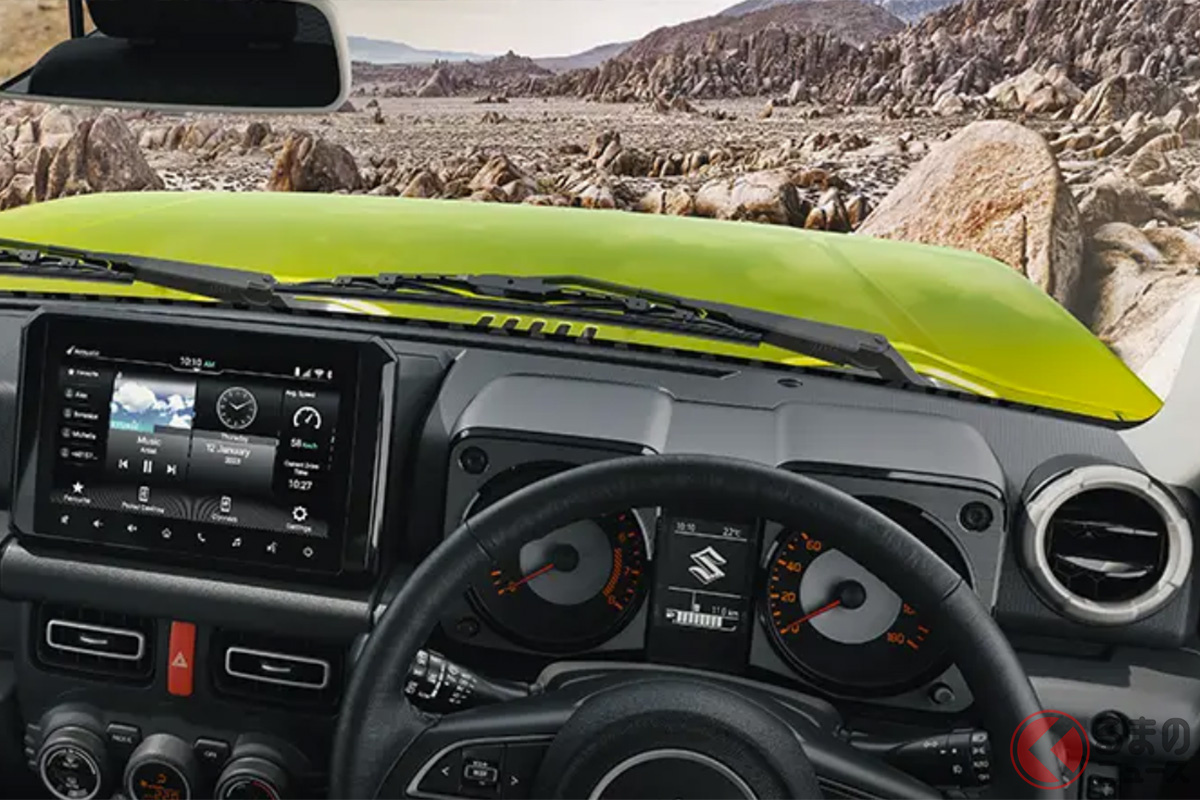
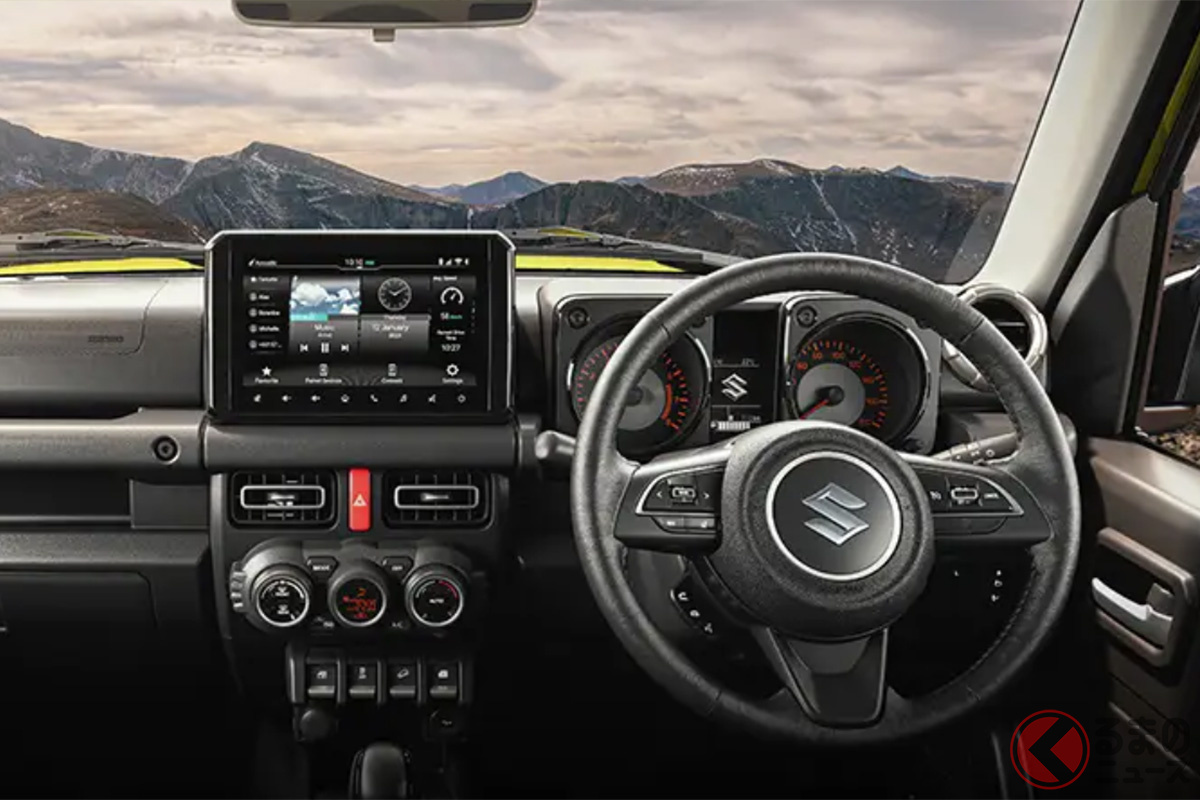
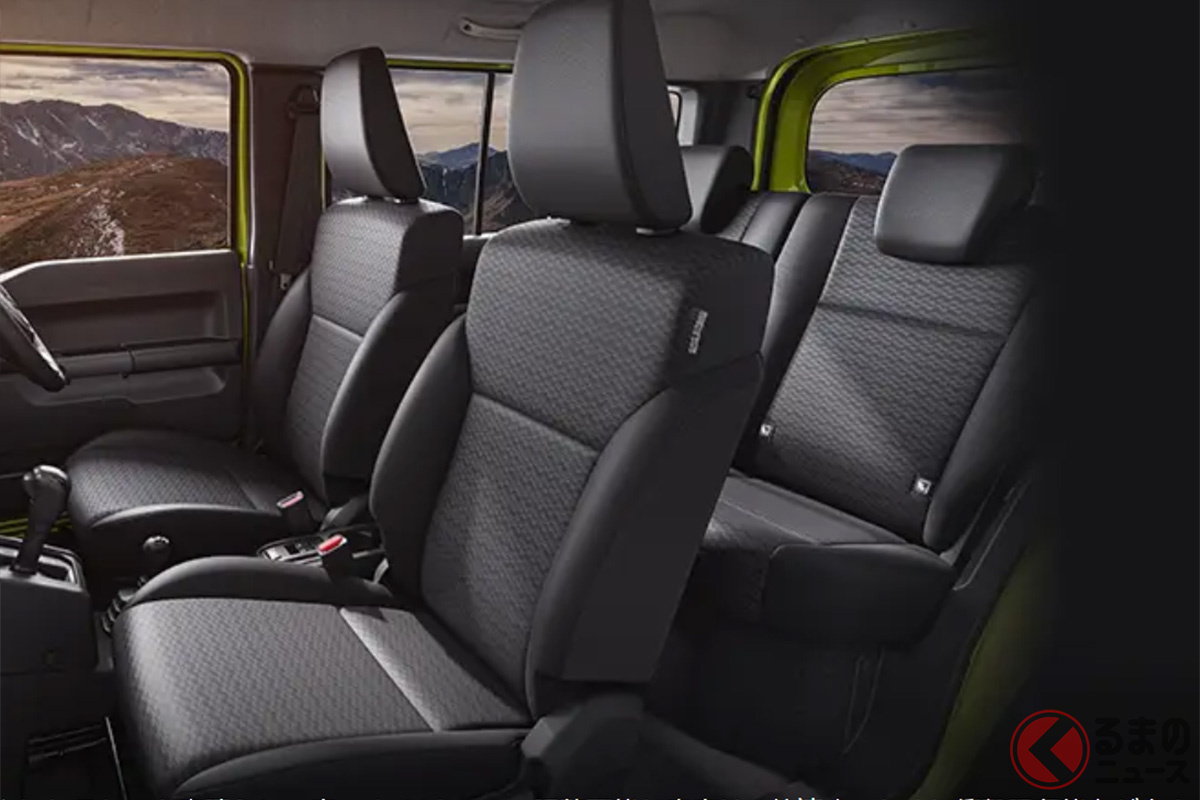
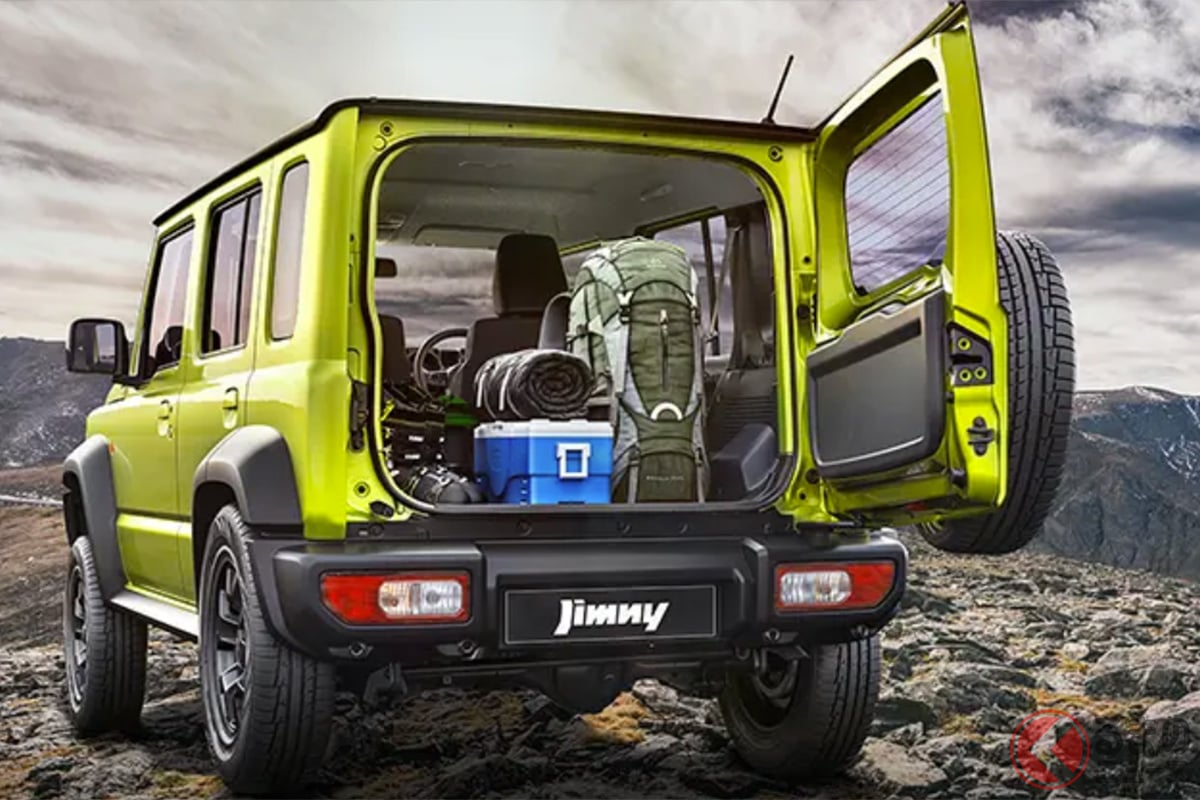
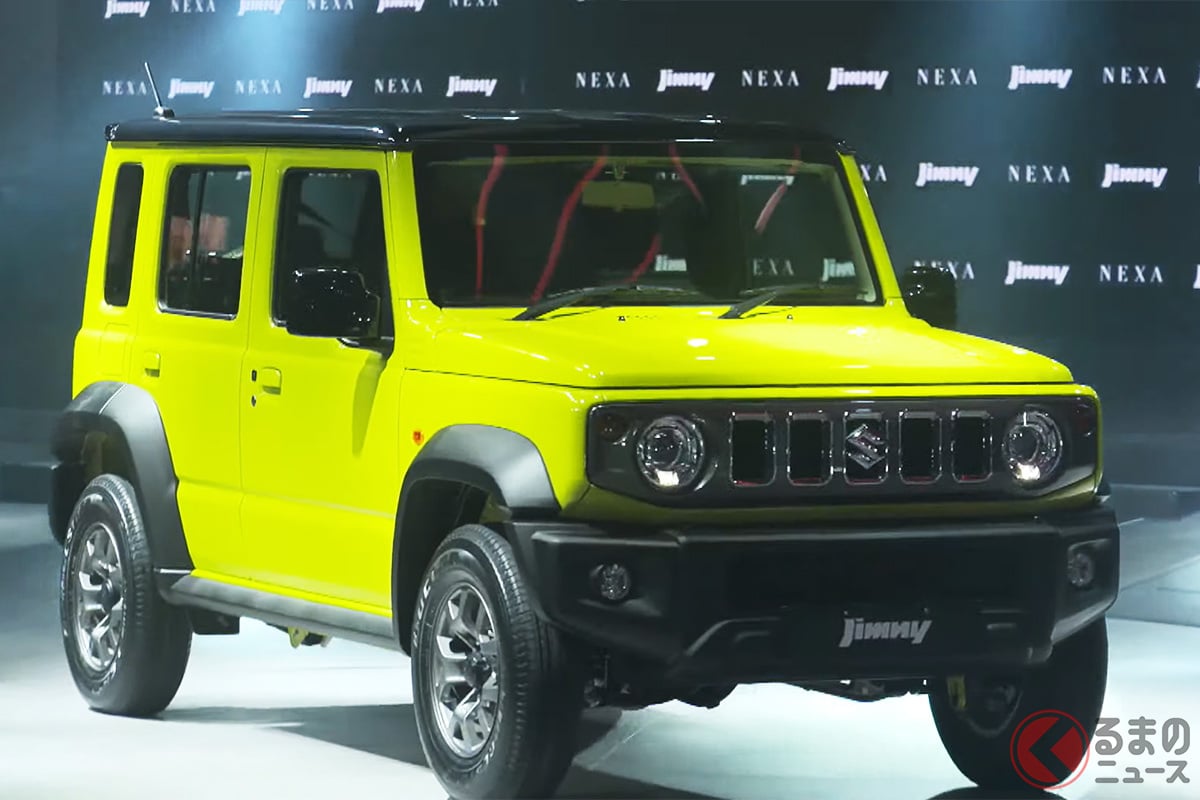
Suzuki has released new images of the limited edition Jimny Heritage
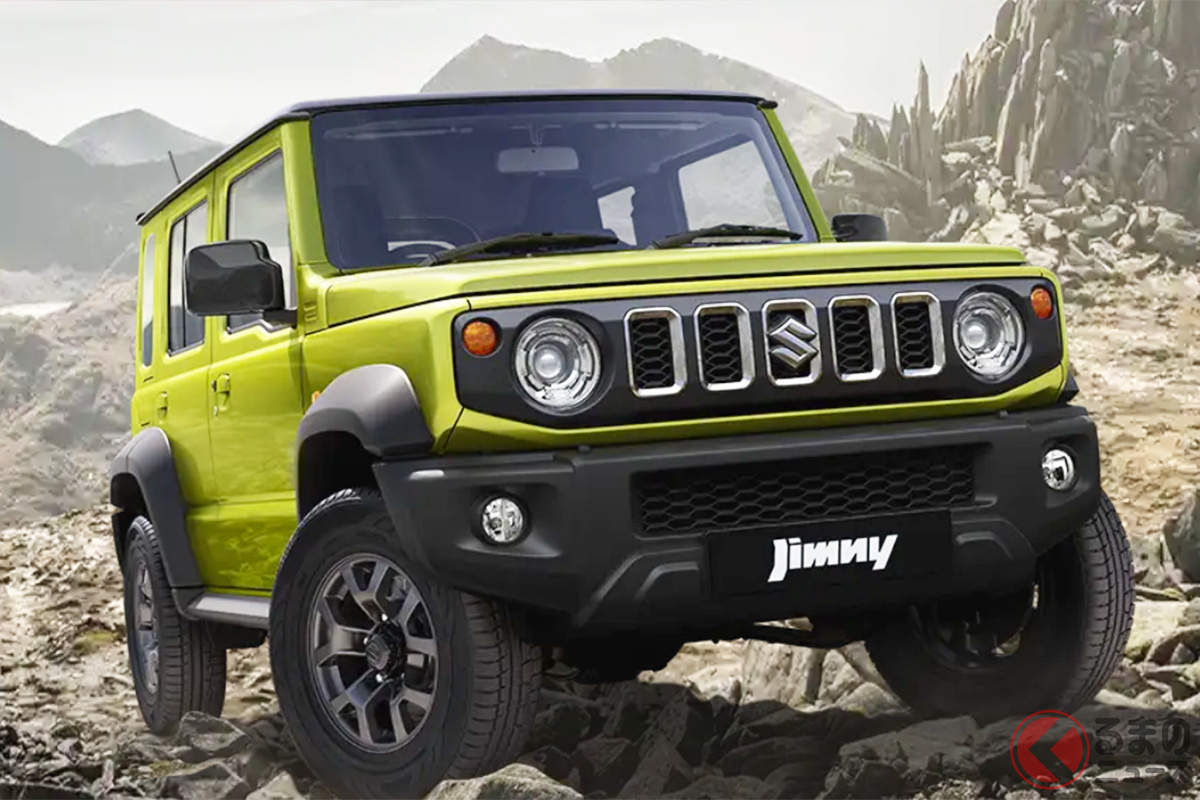
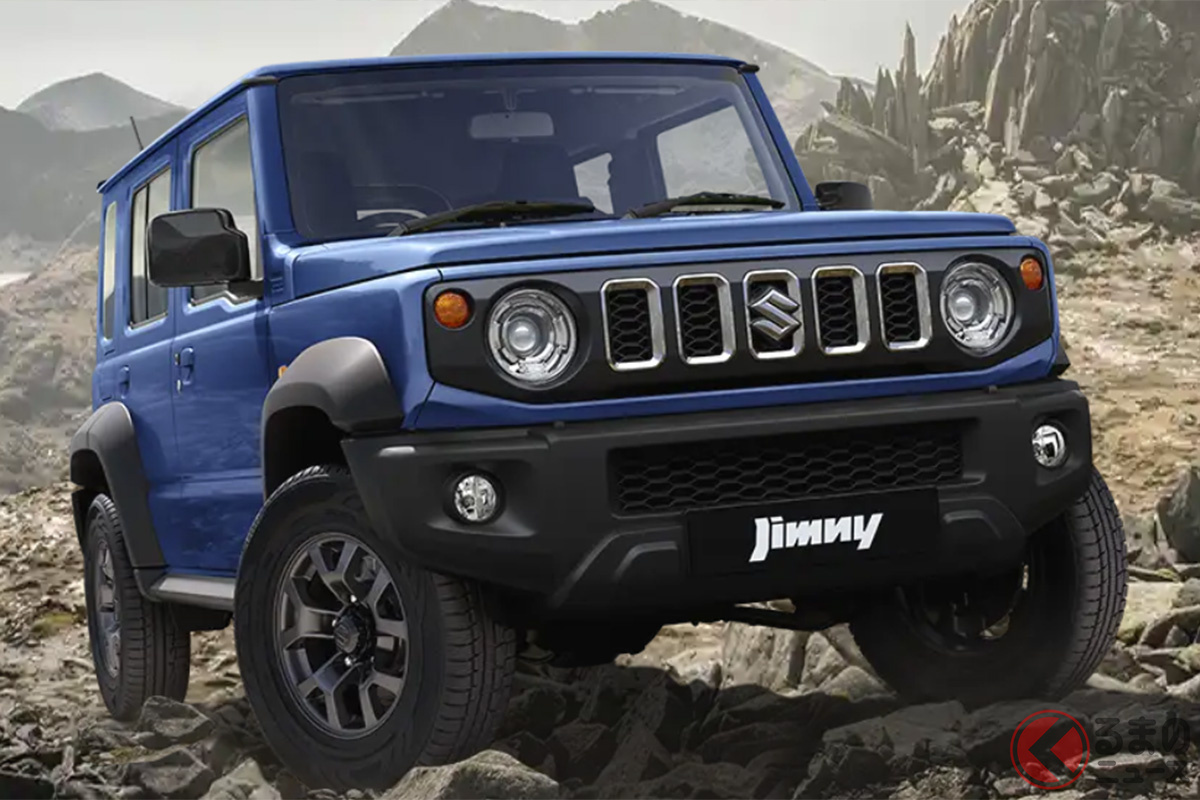
Suzuki has released new images of the limited edition Jimny Heritage, a compact 4WD vehicle with a retro design inspired by the model’s history. The exterior features vibrant decals and a “JIMNY HERITAGE” mud flap logo, while the interior is equipped with modern technology. Only 300 units will be available, with manual transmission as the only option. The model has already sold out in some parts of Australia.
25 years after its release the Nissan Skyline and Lancer Evo are in danger of going overseas .
It’s hard to believe, but 25 years have passed since the debut of some iconic Japanese sports sedans in 1998. Back then, the general belief was that a car’s lifespan was around 10 years or 100,000 km, but the roads today still echo with the purr of engines from two and a half decades ago. Among these timeless machines, three stand out – the “Altezza,” the “Skyline,” and the “Lancer Evo 5.” However, these legends now face the threat of fading away, potentially being relegated to overseas garages. Let’s delve into these cars’ histories and understand why they deserve to be saved from extinction.
The Toyota Altezza: A Modest Powerhouse
Toyota’s “Altezza” roared onto the scene in October 1998. Despite its relatively compact size – measuring 4400 mm in length and 1720 mm in width – the Altezza turned heads with its rear-wheel-drive layout, European-inspired styling, and upscale “chronograph” meters. Under the hood, the Altezza offered a range of power units, including the spirited inline 4-cylinder “3S-GE” engine and the smooth inline 6-cylinder “1G-FE” engine. This amalgamation of power and refinement created an appealing front-engine, rear-wheel-drive (FR) sedan package, tailor-made for mature enthusiasts.
As time progressed, the Altezza’s legacy evolved. A wagon variant known as the “Altezza Jita” was introduced, manual transmission options became available across all sedan grades, and the “L Edition” took shape as the luxury-oriented “Lexus IS” brand for North America. This evolution culminated in the transformation of the Altezza into the Lexus IS, a nameplate that continues to thrive today.
The Nissan Skyline R34: Fearless Performance
Nissan’s historic “Skyline” lineage, which dates back to 1957, reached its 10th generation pinnacle with the introduction of the “R34 Skyline” in May 1998. The R34 was conceived as the embodiment of a genuine sports sedan and coupe, encompassing bold design and unwavering dedication to core performance attributes: acceleration, handling, and braking.
Powered by the NEO straight-six inline six-cylinder engine, the R34 Skyline took different forms, including the high-performance variants like the turbocharged 25GT-X TURBO and 25GT TURBO, which boasted a maximum output of 280 hp from the RB25DET engine. The following year, the ultimate “Skyline GT-R (BNR34 model)” took the stage, further cementing the R34’s legacy.
Though the R34 Skyline bowed out to make way for the 11th-generation Skyline (V35 model) in 2001, its impact remains indelible in the hearts of enthusiasts and collectors.
The Mitsubishi Lancer Evolution V: Rally-Bred Dominance
Mitsubishi’s “Lancer Evolution” series, conceived to dominate the World Rally Championship (WRC), hit its stride in 1992 with the inaugural Lancer Evo 1. Fast forward to January 1998, and the fifth-generation Lancer Evolution V (“Lancer Evo 5”) roared onto the stage, building on the foundation set by its predecessors.
Sporting a wider stance and improved handling stability, the Evo 5 was armed with the “4G63” 2-liter inline 4-cylinder turbo engine, delivering impressive torque and agility. Just a year later, in January 1999, the Evo 5 was succeeded by the more advanced “Lancer Evolution VI” (“Lancer Evo 6”), marking yet another milestone in the Evolution series’ evolution.
In recent years, a wave of nostalgia has gripped the automotive world, with the 1980s and 1990s producing neo-classic Japanese sports cars that are gaining popularity worldwide. In the United States, the “25-year rule” has granted a lifeline to these classics, allowing right-hand drive cars to be registered as “classic cars” after a quarter-century of existence.
Enthusiasts and collectors alike are taking notice. Japanese sports cars that once roared exclusively in their homeland are now finding homes abroad. To secure your own piece of automotive history, it’s advisable to act sooner rather than later, as the used car market for these revered models is bound to soar. Let’s rally together to save these legends from fading into the past, ensuring that their engines continue to roar for generations to come.
Toyota’s New Giant Hilux Set to Dazzle The Astrale GX4 Camper Van Unveiled
ByPawaniGet ready for the world premiere of Toyota’s latest innovation the “Astrale GX4” a tough two storey camper van designed for adventure enthusiasts. Vantec a prominent camper van manufacturer based in Tokorozawa City Saitama Prefecture has teased images of this exciting new model set to be unveiled at the Tokyo Camper Show 2024 on July 20.
Vantec is known for its cab over campers primarily built on Toyota’s Camroad chassis. However the Astrale GX4 marks a departure from previous models as it is developed on the iconic Hilux pickup truck platform. The Hilux has a storied history having been in production for over 55 years since its debut in 1968. Although its sales in Japan ceased in 2004 the current 8th generation model manufactured in Thailand was reintroduced in 2017.
Under the hood the Hilux features a robust 2.4 liter inline 4 cylinder diesel turbo engine delivering 150ps of power and 400Nm of torque paired with a 6 speed automatic transmission. The vehicle is equipped with a part time 4WD system making it well suited for off road adventures.
The Astrale GX4 part of Vantec’s ASTRARE series stands for Grand Explorer 4×4. This camper is designed with the concept of a cross country vehicle that can tackle diverse terrains worldwide. Its dimensions are impressive measuring
5640mm in length
2100mm in width
and 2890mm in height
showcasing a significantly larger body compared to the Hilux’s Z grade, which measures
5340mm long
1855mm wide
and 1800mm high.Teaser images reveal a striking silhouette with a spacious cabin positioned above the Hilux’s loading platform. The design combines a powerful robust exterior with aerodynamic features to enhance driving performance and reduce wind resistance.
Vantec promises that the Astrale GX4 will offer three innovative layouts ensuring comfort and safety whether driving relaxing or sleeping. It boasts a seating capacity for four and can accommodate up to five people for sleeping with the interior layout designed to maximize space and functionality.
Mark your calendars for July 20 2024 when the Astrale GX4 will make its official debut at the Tokyo Camper Show setting a new standard for adventure ready camper vans.
Front and rear camera drive recorder and safety radar as a set model exclusively for the Suzuki Jimny
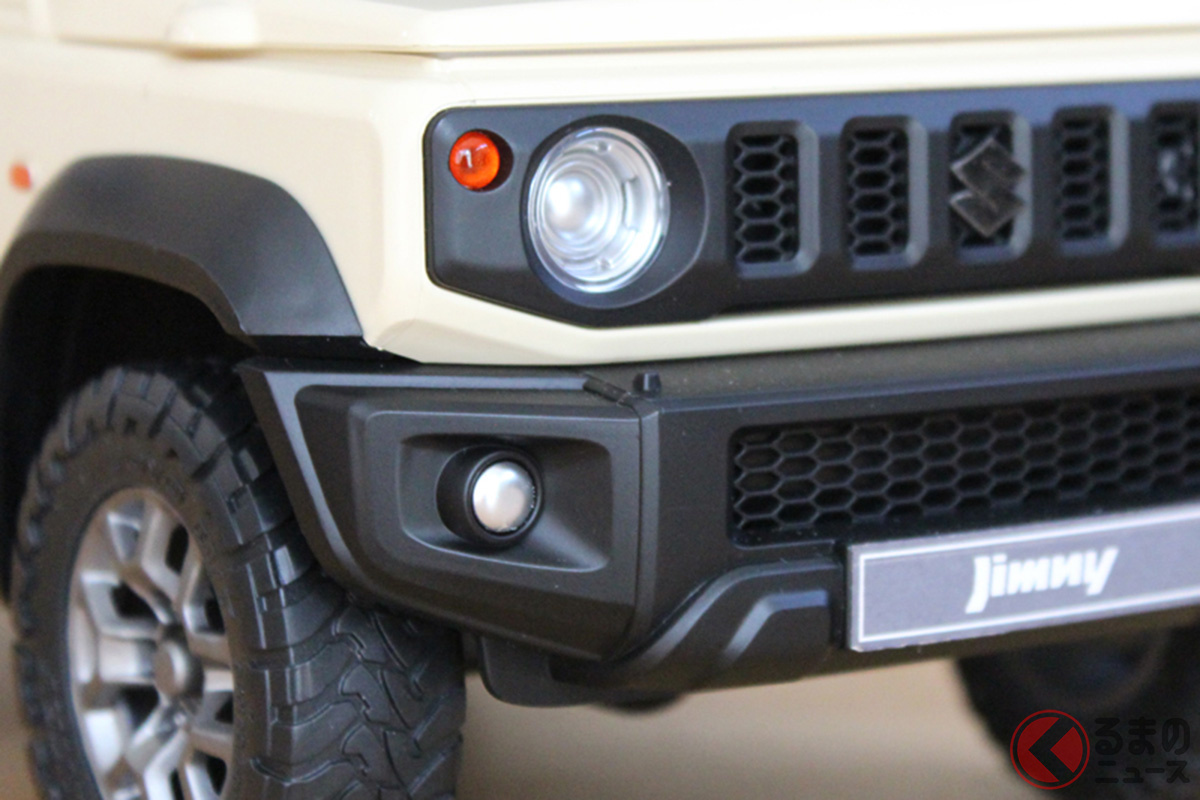
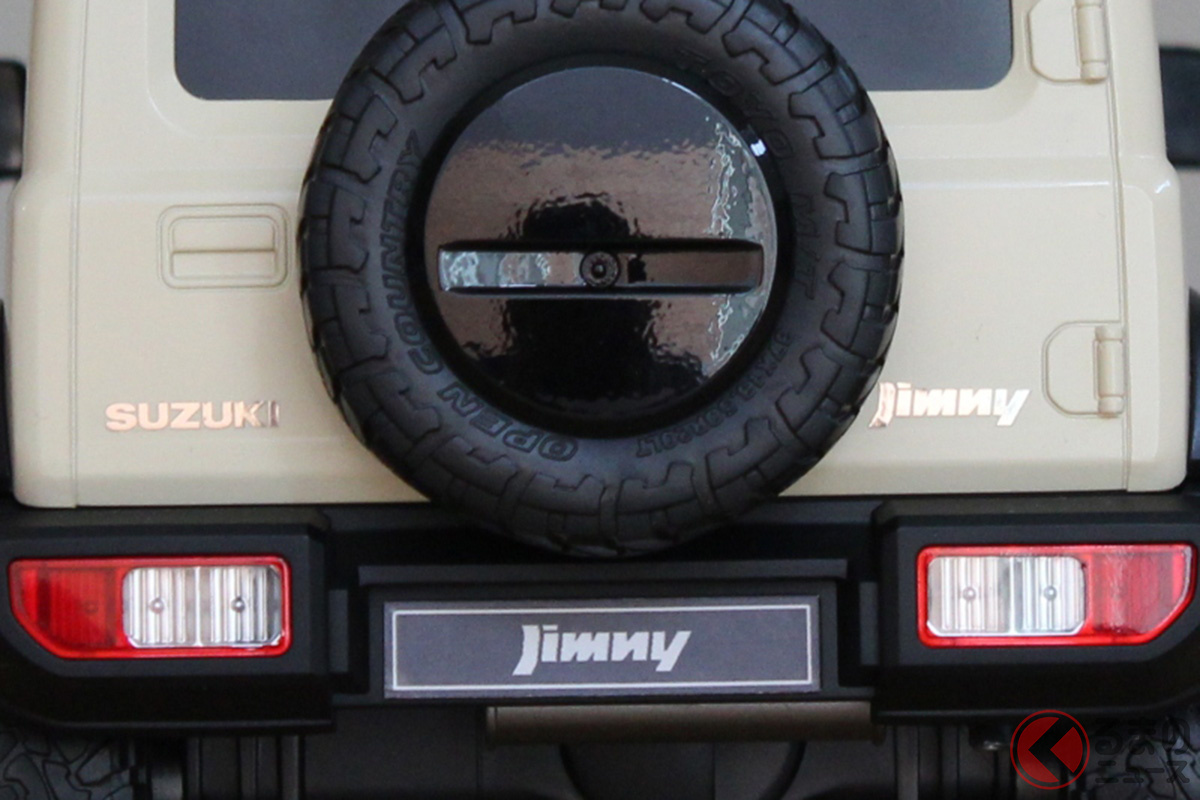
Celstar and Damd have jointly developed the ASSURA CA-D01, consisting of a front and rear camera drive recorder (CA-D01D) and safety radar (CA-D01R), as a set model exclusively for the Suzuki Jimny, and released it in April 2023. Painted in jungle green, the ASSURA CA-D01 is designed to match the outdoor taste of the Jimny. It is also equipped with various features such as Night Clear Ver. 2, Full HD recording function, HDR, and safe driving support function. The CA-D01R safety radar uses a newly designed “Frederic Lens Ver.2” with excellent laser reception sensitivity.DAMD collaborates with various automakers, including Suzuki, Daihatsu, and Mazda, to develop and produce body kits and other custom parts.
The Toyota Hiace is now synonymous with van-controlled campers
How much does the Toyota “Hiace Camper” cost per year? We asked a real owner about the maintenance cost!
How much is the maintenance cost of VANCON? We asked the owner directly!
As the popularity of outdoor activities has skyrocketed in recent years, overnight stays and campervans have been attracting a great deal of attention.
Among these, bancons boast a high share of the camper market, but what are the actual maintenance costs of a bancon?Are there various specifications? See actual Hiace camper vehicles!
The Toyota “Hiace” is now synonymous with van-controlled campers, but what are the actual maintenance costs?
There are two types of camper types: “cab conversion (cab-con),” in which a truck or other vehicle is equipped with living space in its bed, and “van conversion (van-con),” in which the interior of a commercial van or minivan is furnished with furniture and bedding.
There are also “mini-campers” based on easy-to-manage mini-cars, and camping trailers that can be towed by your own car.
In the camper market, van-con campers based on the Toyota Hiace and Nissan Caravan are particularly popular, but some users are concerned about maintenance costs.
While some users are attracted to the appeal of VANCONs and are considering purchasing one, many others are concerned about the high maintenance costs associated with campervans.
So what are the maintenance costs of actually owning a VANCON?
For the purposes of this article, we assume that there are five items that must be paid when owning a vehicle: taxes, gasoline, voluntary insurance, maintenance, and vehicle inspections. This calculation does not include items that are likely to change depending on circumstances, such as parking lot fees and loan repayment costs.
The first payment that must be made is the automobile tax. Since most vans are classified as special-purpose vehicles with a license plate 8, this is 24,600 yen per year. This is a lower tax amount than that of a regular 3 license plate van.
The following optional insurance policy uses as a guide the six grades that apply when the insurance is purchased for the first time.
The base vehicle will be a 2023 Toyota Hiace Super GL 2800 with an annual mileage of less than 5,000 km.
Other conditions are that the age of the named insured is 40, the color of the driver’s license is blue, and the only person covered by the guarantee is the insured who fills in the form, the annual voluntary insurance premium is approximately 50,000 yen.
As for the next gasoline cost, let us first assume that the car is owned as a second car for pleasure and that it is driven 300 km round trip once a month.
The fuel consumption of the Hiace is 12.4 km/L in WLTC mode, so assuming that the price of diesel fuel is 150 yen/L, the annual cost is approximately 44,000 yen.
So far, it can be said that there is not much difference from the base model, but are there any costs incurred because it is a van-controlled vehicle?
A man who actually owns a van-con based on the Hiace says the following about this point: “As for maintenance and inspection costs, they are the same.
Although the interior of the vehicle is designed as a camper, the basic structure of the vehicle is the same, so there are no special costs involved.
On the other hand, there are maintenance and upkeep costs for the interior.
Compared to a regular car, a van-con is equipped with a refrigerator, lithium-ion battery, air conditioner, etc. separately.
I would estimate about 100,000 yen per year for their replacement and maintenance costs.
VANCONs have been attracting attention amid the recent outdoor boom, and it seems that not only are they as easy to handle as regular cars, but their maintenance costs are also not significantly different, which is a major factor in their popularity.