
Toyota C-HR Prologue: 7 Exciting Design Changes Behind the Bold New Concept
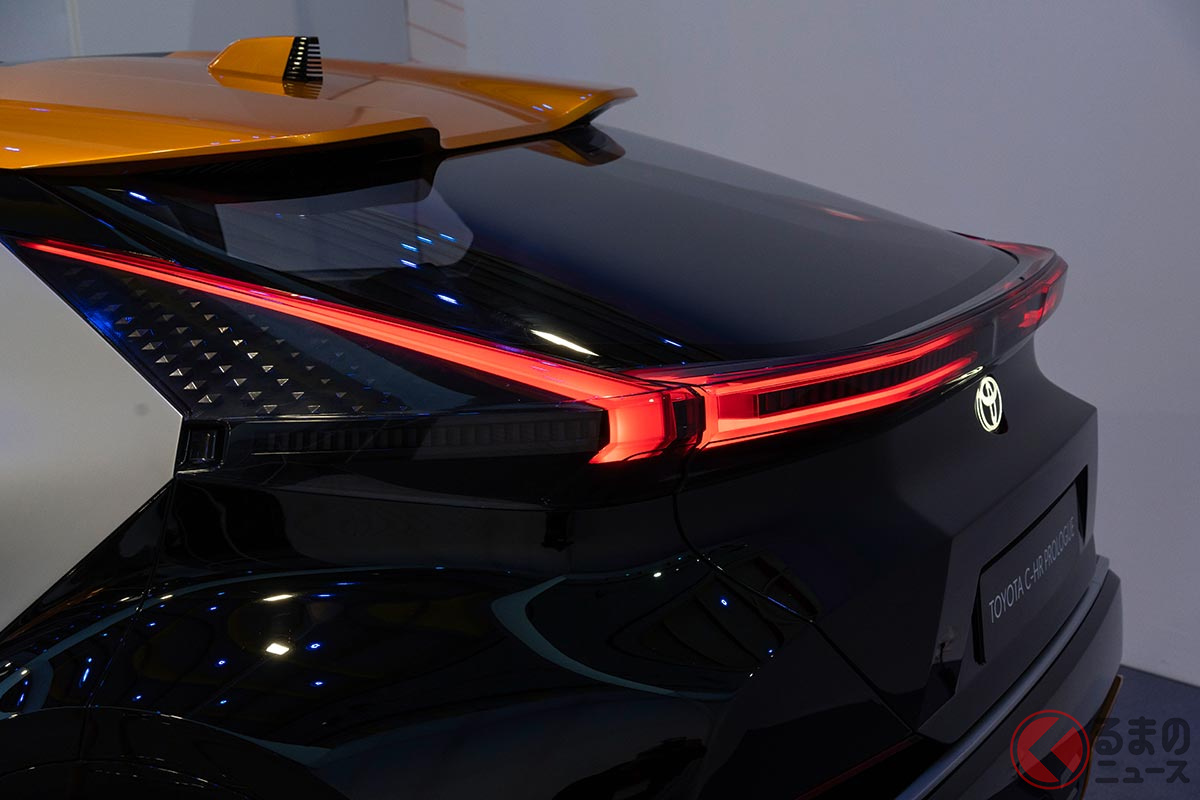
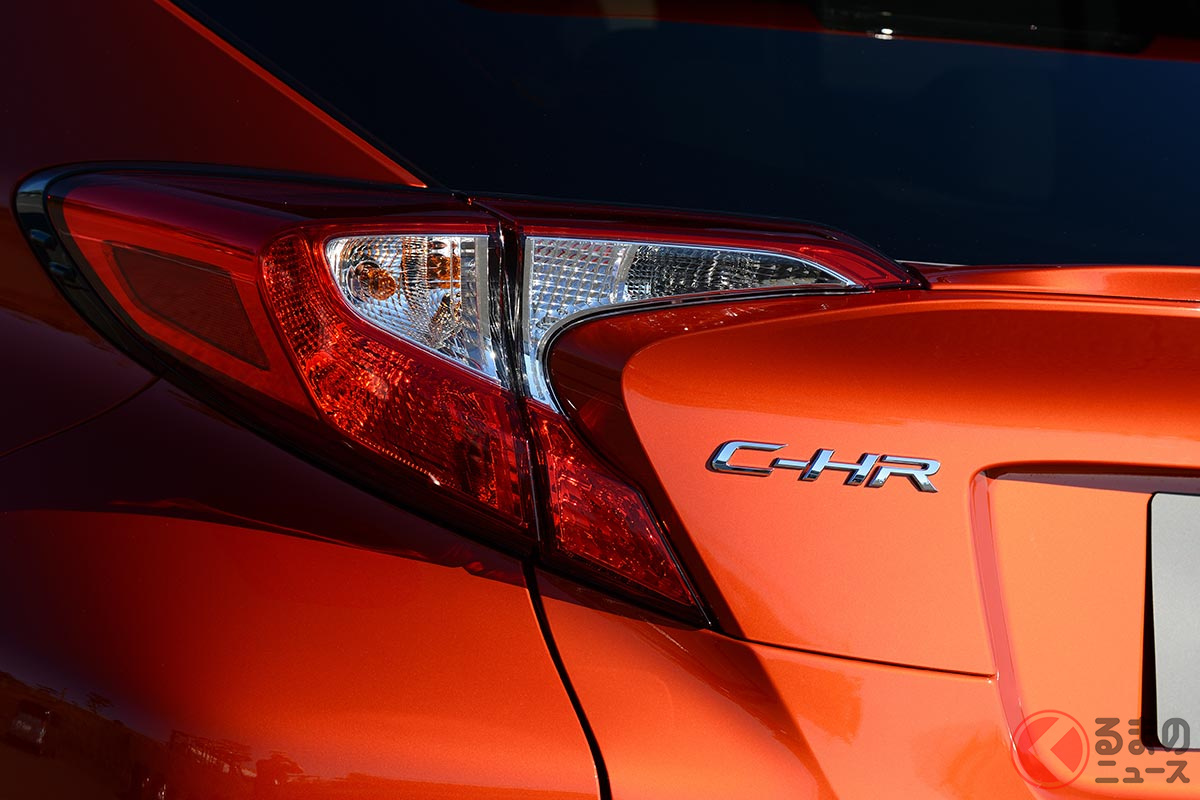
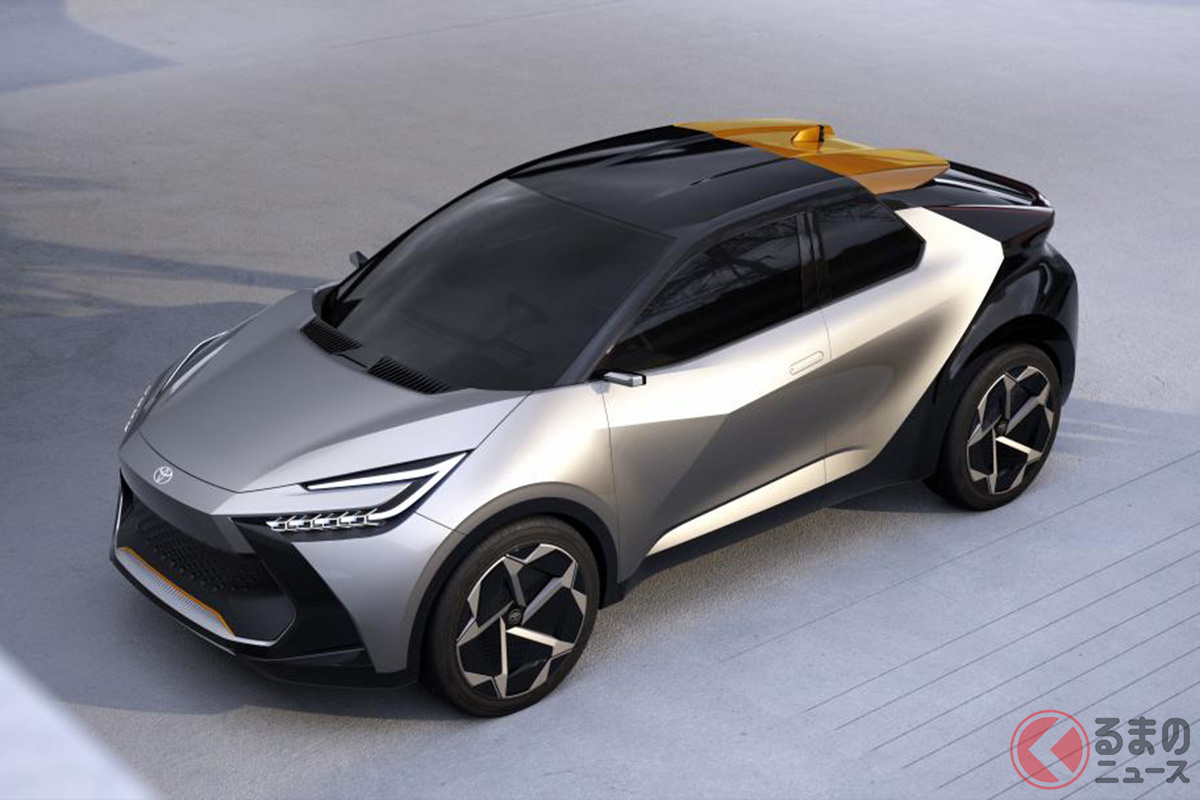
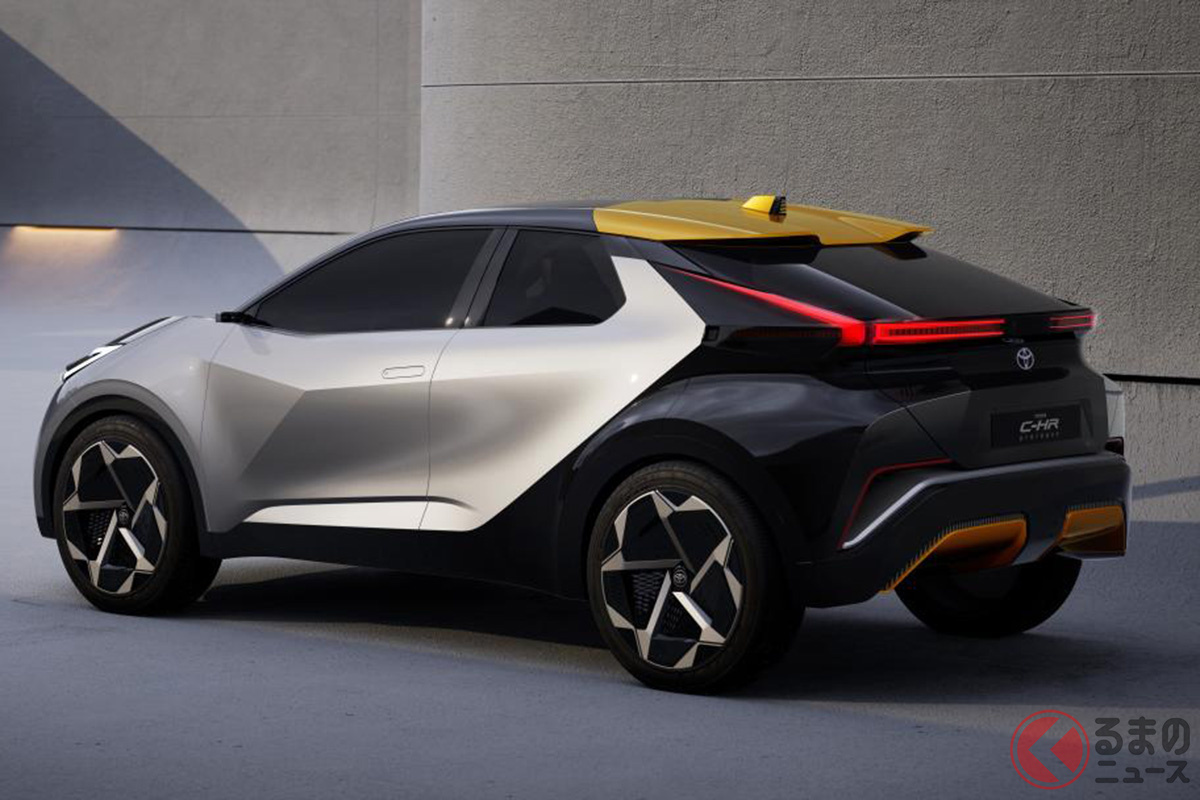

Toyota C-HR Prologue Makes a Bold First Impression
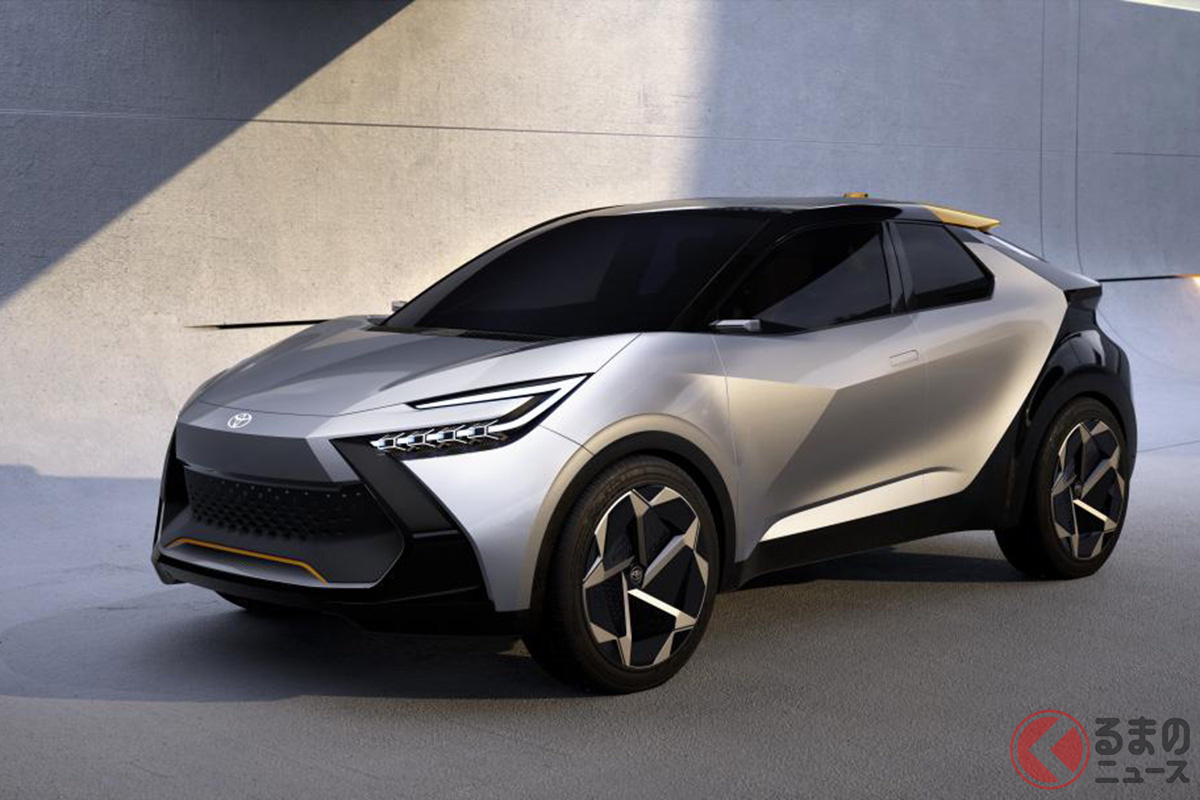
Toyota C-HR Prologue made a strong impact when Toyota Europe unveiled it on December 5, 2022. As the name suggests, this concept is widely seen as a preview of the next-generation Toyota C-HR, one of the brand’s most distinctive compact crossover SUVs.
The reveal attracted attention immediately. Some people praised its futuristic styling and Prius-like front design, while others questioned whether the concept had moved too far away from traditional SUV styling. Either way, the Toyota C-HR Prologue succeeded in doing exactly what a concept car should do: spark conversation.
What Is the Toyota C-HR Prologue?
The Toyota C-HR Prologue is a concept car unveiled by Toyota Europe and believed to preview the next version of the C-HR crossover SUV.
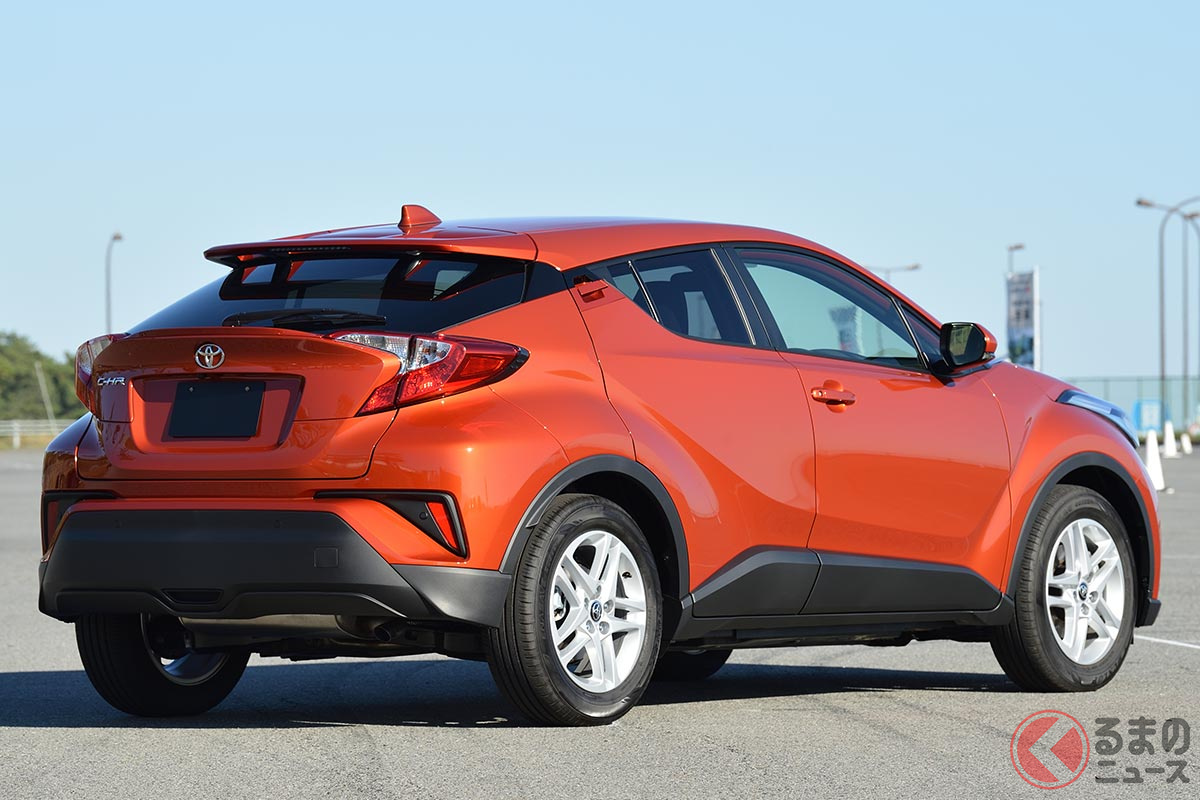
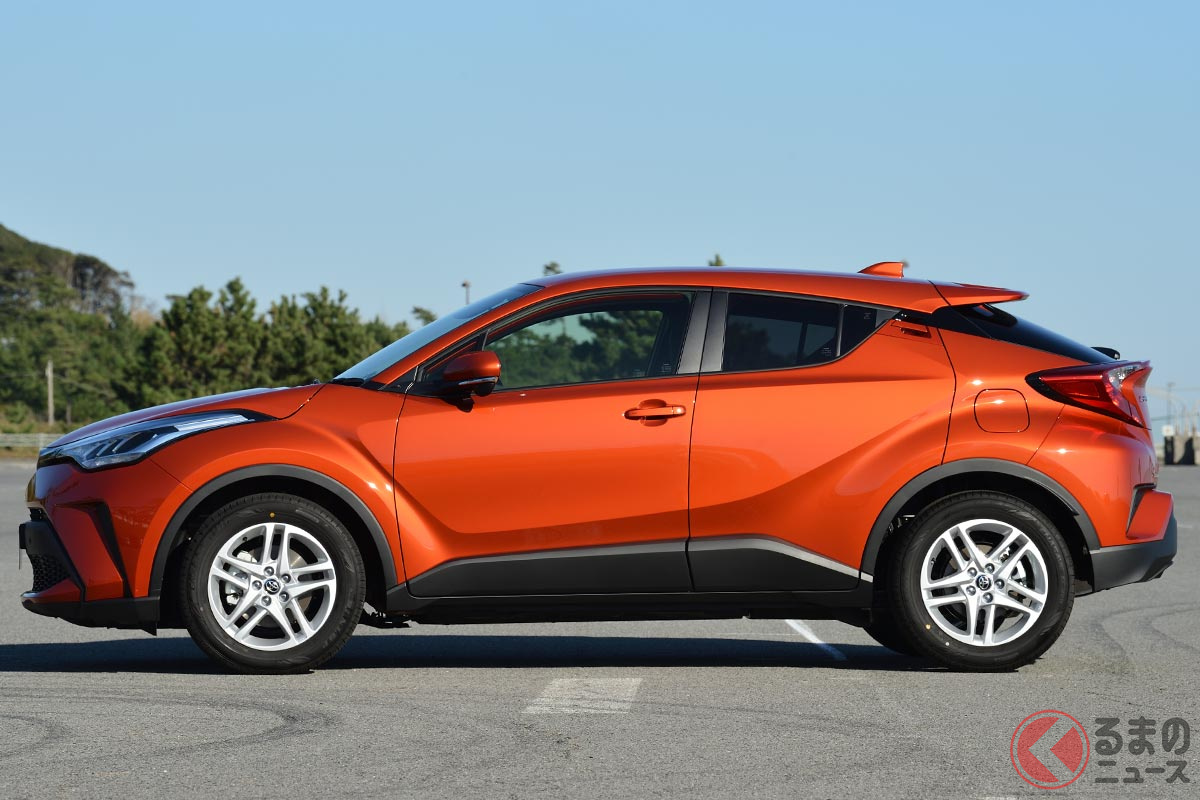
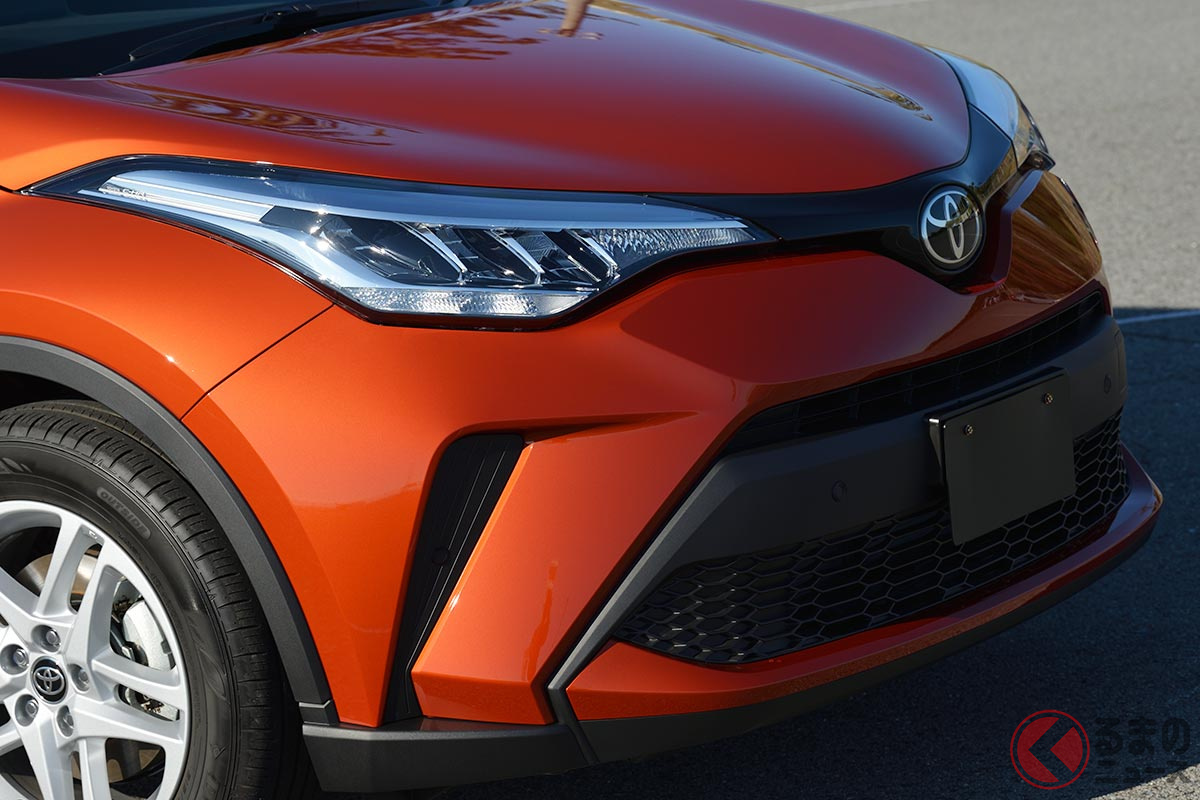
The original first-generation Toyota C-HR launched in December 2016 and quickly became known for its coupe-like silhouette, sculpted bodywork, and strong visual identity. It shared the TNGA GA-C platform with the fourth-generation Prius and stood out in a crowded SUV market thanks to its bold styling.
Now, six years after the original C-HR debuted, Toyota introduced the Toyota C-HR Prologue to show how the nameplate may evolve for a new era.
Toyota C-HR Prologue Design Highlights
The biggest reason the Toyota C-HR Prologue is drawing attention is its design.
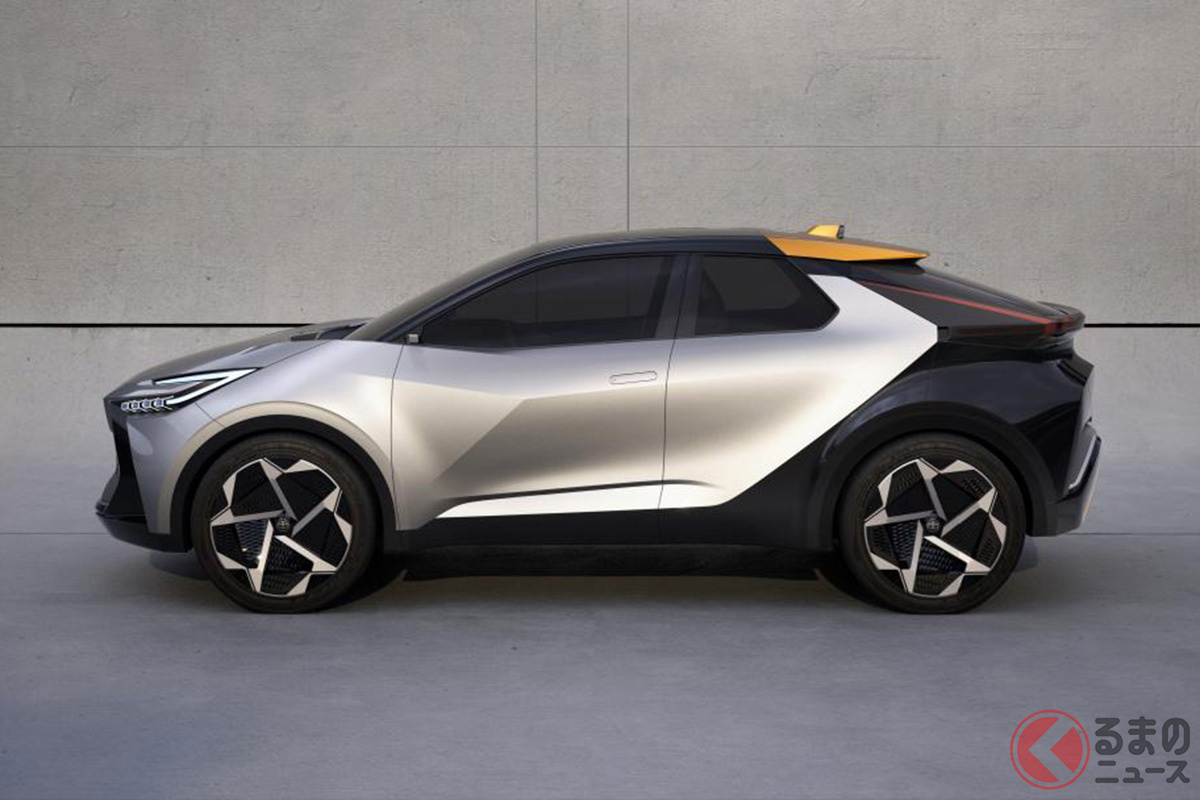
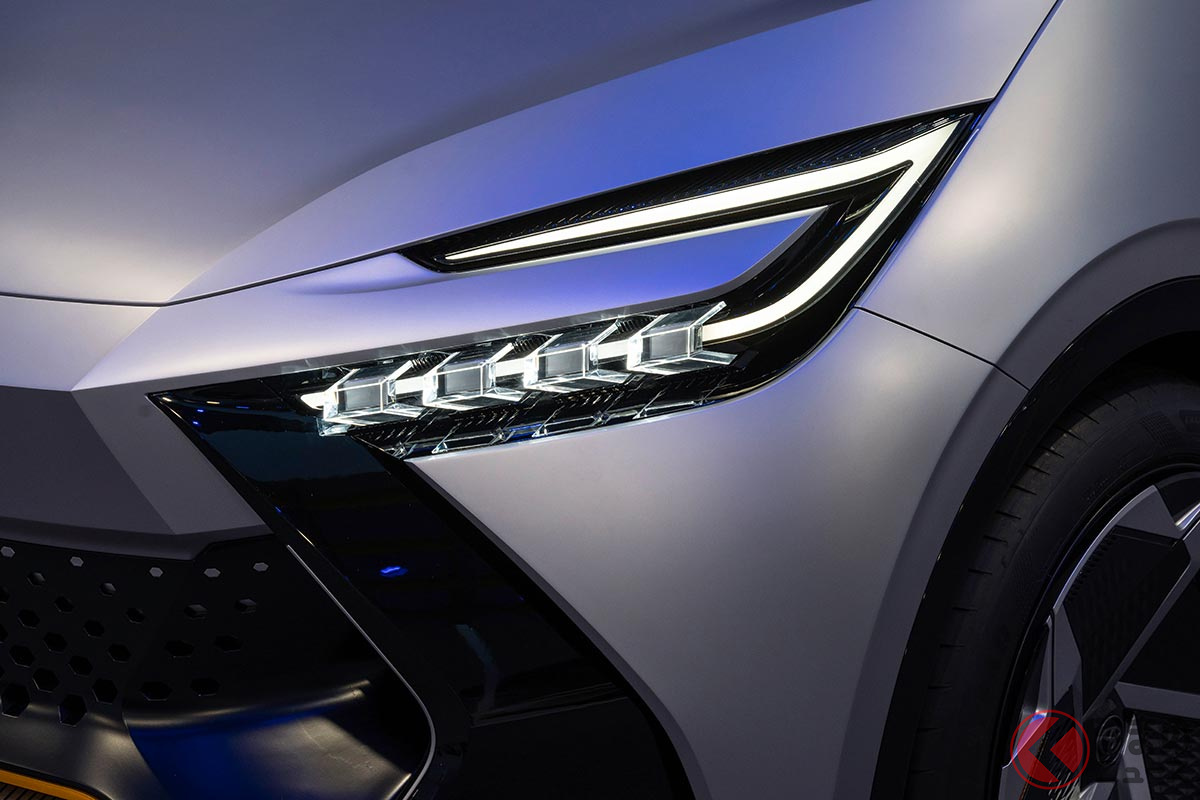
Toyota C-HR Prologue Front Face Gets a Prius-Inspired Look
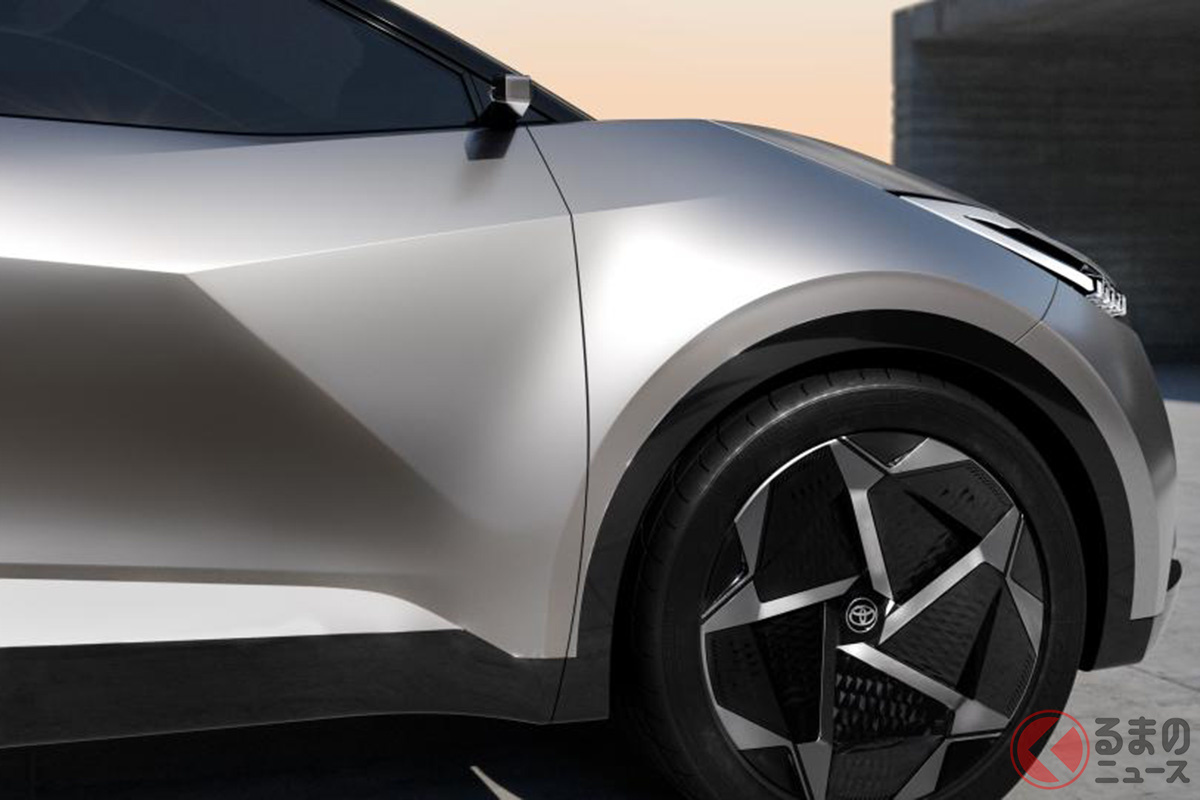
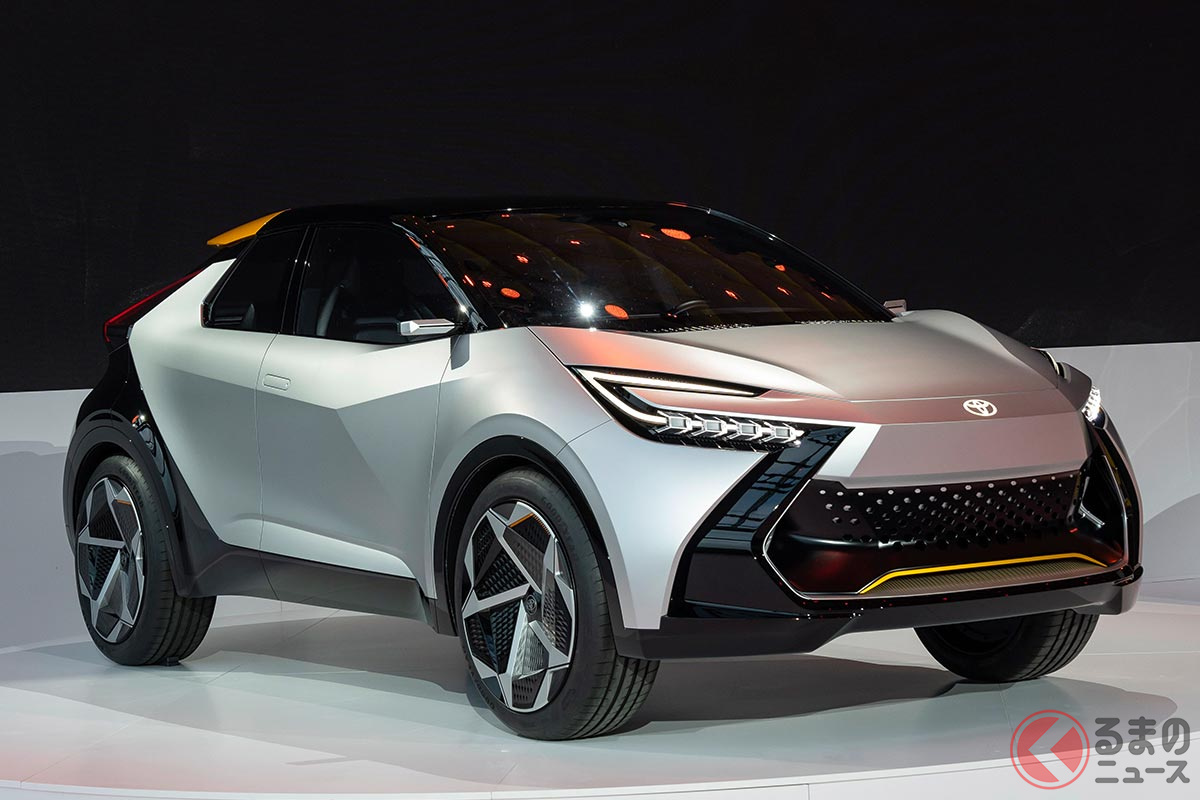
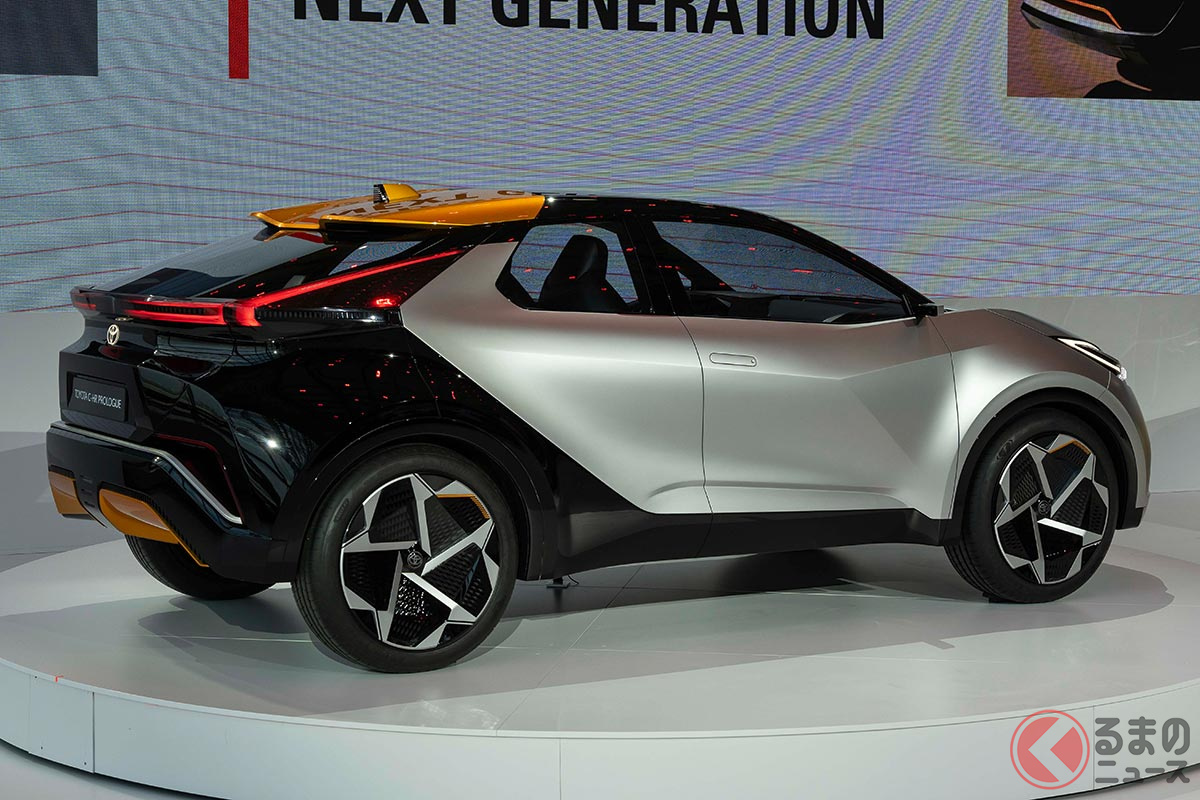
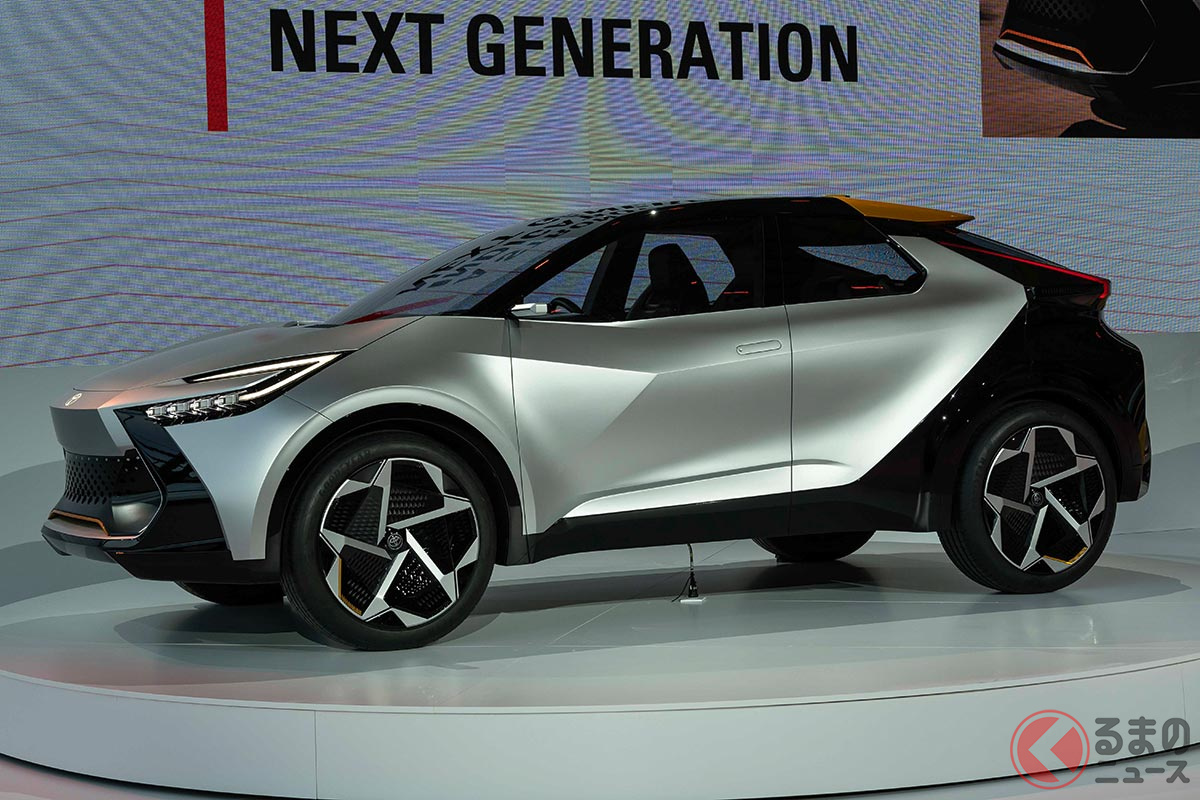
One of the most talked-about features is the front-end styling. The concept uses a hammerhead-inspired face, a design theme that also appeared on the fifth-generation Toyota Prius, which debuted in November 2022.
This front design gives the C-HR Prologue a more futuristic and sharper appearance. It also aligns the vehicle more closely with Toyota’s latest global design direction.
Toyota C-HR Prologue Keeps Its Coupe-SUV Identity
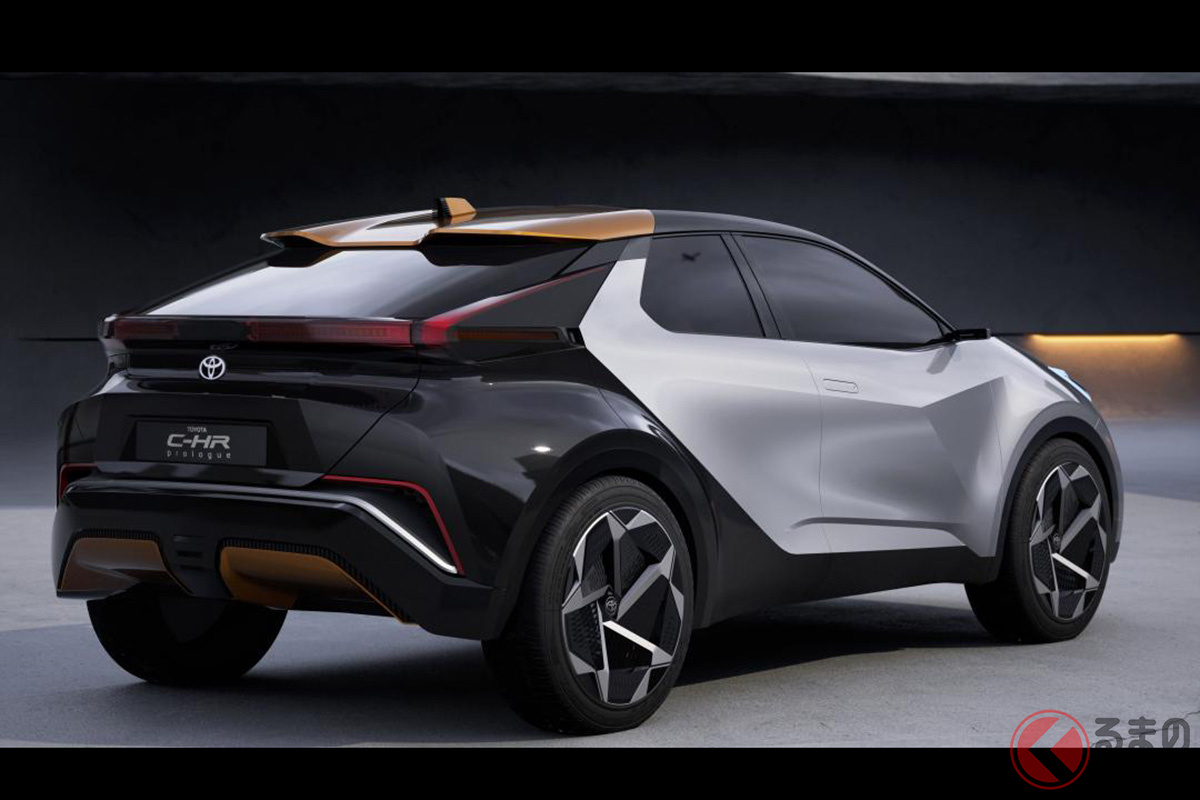
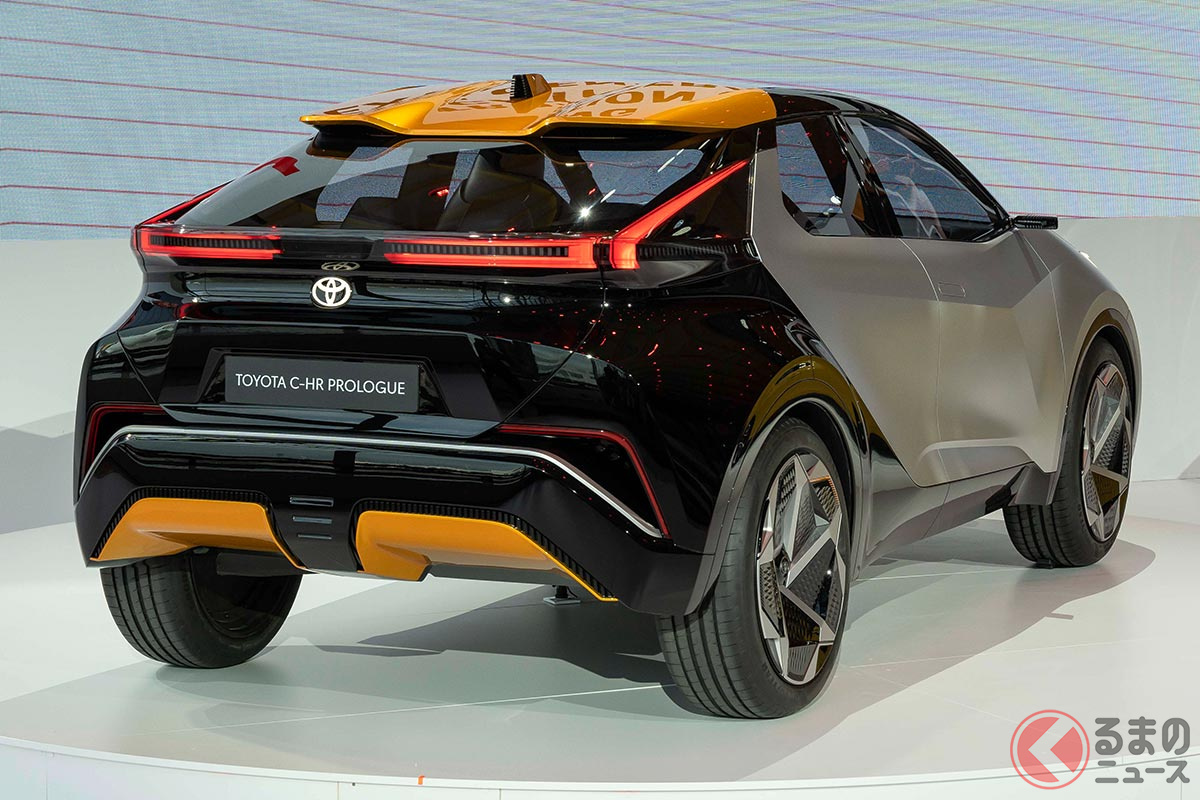
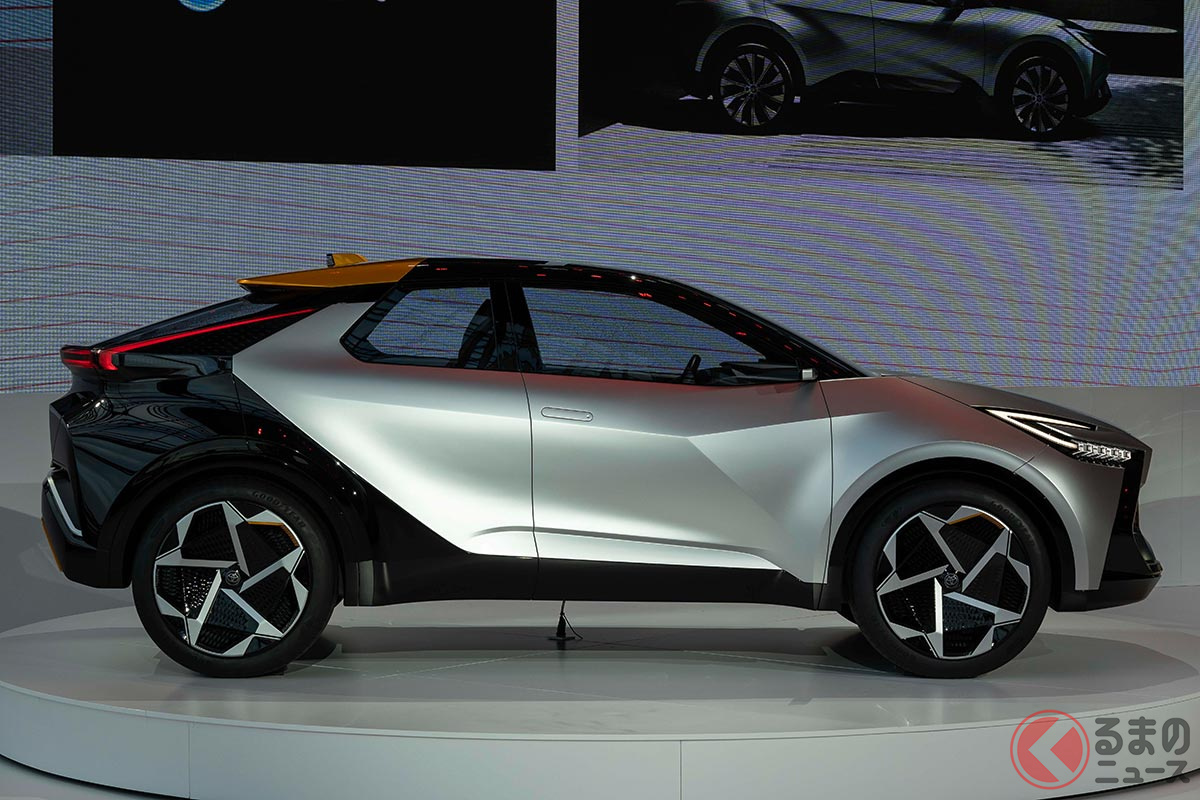
Although the front is new, the Toyota C-HR Prologue still preserves many of the core traits that made the original C-HR recognizable.
Retained styling elements include:
- Coupe-like roofline
- Rear door handles integrated into the C-pillar
- Shallow rear window angle
- Strong body sculpting
- Athletic crossover proportions
This is important because it means Toyota has updated the look without completely abandoning the C-HR’s identity.
Toyota C-HR Prologue Three-Tone Paint Scheme
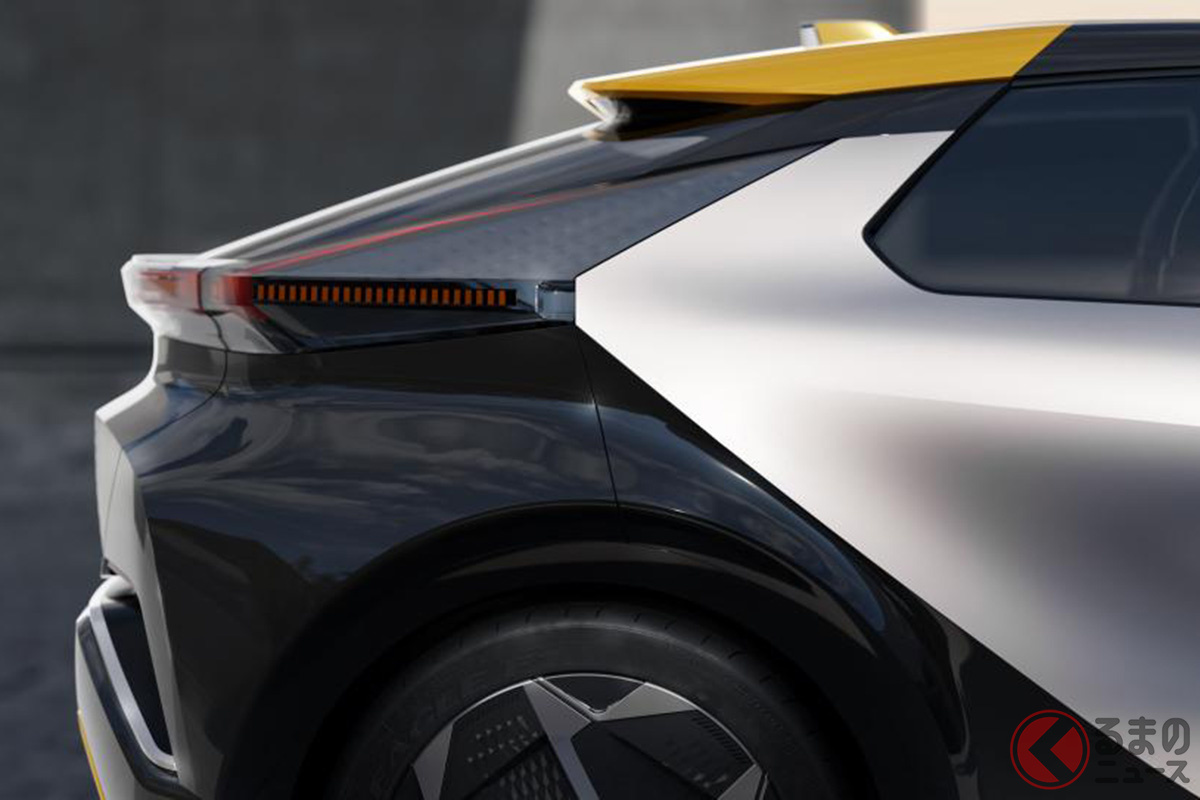
Another standout feature is the concept’s three-color paint finish. This is not something found on the current C-HR, and it became one of the details that many people noticed immediately.
The paint treatment gives the concept a more expressive personality and reinforces its premium, design-led appeal. Many observers hope this bold color approach survives into the production model.
How the Toyota C-HR Prologue Compares With the Current C-HR
The Toyota C-HR Prologue does not completely reinvent the C-HR, but it clearly pushes the model forward.
Design Evolution Over Revolution
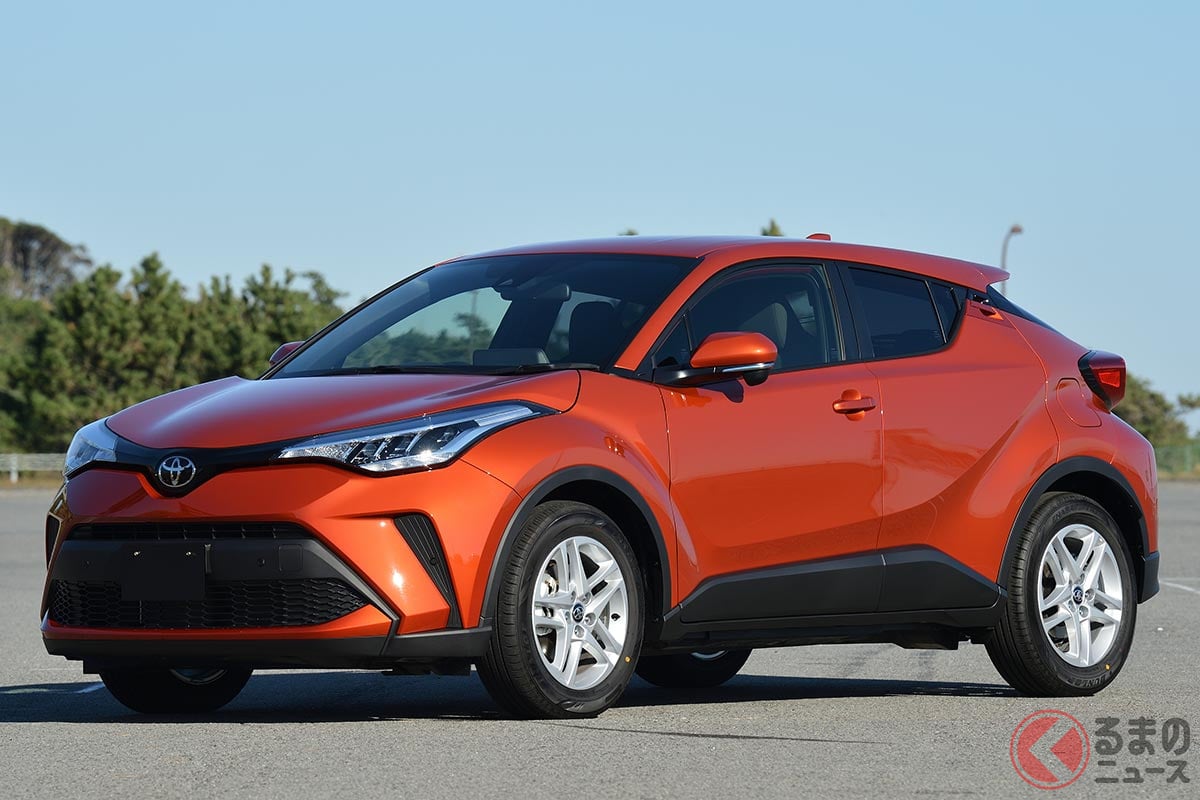
Compared with the current C-HR, the concept looks:
- Sharper
- More futuristic
- More aggressive
- More closely aligned with newer Toyota models
At the same time, it remains visibly connected to the original vehicle. That balance between familiarity and change seems to be one of the concept’s strongest points.
Toyota C-HR Prologue vs Current C-HR Survey Result
In a social media poll referenced in the source, respondents were asked whether they preferred the new C-HR Prologue or the current C-HR.
The result was:
- 66.7% preferred the Toyota C-HR Prologue
- 33.3% preferred the current C-HR
That suggests the concept’s redesign was broadly well received, even if not universally loved.
Public Reaction to the Toyota C-HR Prologue
Public response to the Toyota C-HR Prologue was mixed but generally positive.
In one survey, when people were asked what they thought of the concept’s design:
- 55.6% answered very good
- 11.1% answered fair to good
- 33.3% answered not so good
Positive Reactions
Supporters praised several aspects of the design, including:
- Its futuristic and refined appearance
- Its consistency with recent Toyota styling
- Its unique paint scheme
- Its stronger character compared with rival SUVs
Many felt the concept looked more advanced and exciting than the current model.
Critical Reactions
Not everyone was convinced. Some viewers said:
- The headlights felt awkward
- It did not look SUV-like enough
- The rear styling was not fully convincing
- Visibility might be even worse than the current model
These concerns are not surprising. New design languages often take time to gain wider acceptance, especially when they break from familiar styling cues.
What the Toyota C-HR Prologue Suggests About Toyota’s Future
The Toyota C-HR Prologue is more than just a styling exercise. It points to several broader trends in Toyota’s strategy.
1. Stronger Family Design Language
Toyota appears to be creating a more unified visual identity across new models, especially with the hammerhead-style front end.
2. Continued Focus on Electrification
Toyota has already explained that the next C-HR will offer hybrid and plug-in hybrid powertrains. That supports the company’s broader push toward electrification.
3. Design-Driven Crossovers
The C-HR has always been style-focused, and the Prologue suggests Toyota wants to keep that positioning strong rather than move toward a more conservative mainstream SUV look.
Powertrain Expectations for the Next C-HR
Toyota did not reveal full production details at the time of the concept’s unveiling, but it did confirm that the next C-HR would feature:
- Hybrid powertrain
- Plug-in hybrid powertrain
That is significant because it shows the Toyota C-HR Prologue is not just about aesthetics. It is also part of Toyota’s expanding electrified lineup.
For buyers, that could mean better efficiency, lower emissions, and stronger appeal in markets where electrified crossovers are growing rapidly.