






Similar Posts
Game-Changing Toyota Alphard Crossover: Embrace 6-Inch Lift for Unstoppable Adventures!
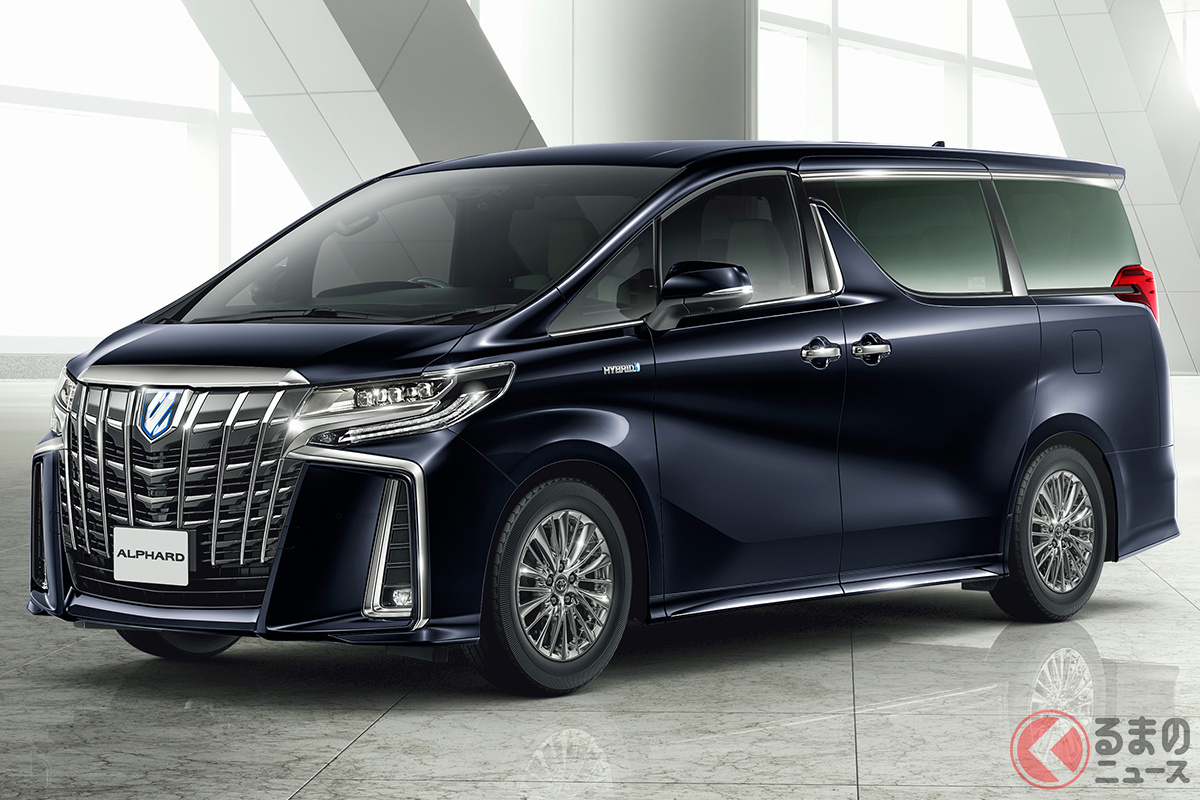
On June 20, 2023, Exia Co. Ltd. a renowned automotive manufacturer, introduced the world to its latest innovation – the “Alphard Crossover.” This custom car has captured the attention of car enthusiasts and adventurers alike, as it promises an unparalleled experience from city streets to off-road adventures. Developed based on the concept of “Lift Up Your Life,” the Alphard Crossover is a one-of-a-kind SUV version of the popular Toyota “Alphard” luxury minivan, making it a unique and powerful addition to the automotive market.
The highlight of this striking vehicle lies in its extensive customization, which is based on the third-generation Alphard model. Exia has lifted the suspension by an impressive 6 inches (approximately 152mm), ensuring that the Alphard Crossover stands tall and confident on any terrain. The addition of 265-size mud tires and fender covers further enhances its rugged appearance and capability.
For outdoor enthusiasts, the Alphard Crossover boasts an array of convenient features. A bull bar, carrier, and hitch ball mount have been thoughtfully integrated to accentuate its wild appeal and practicality during outdoor activities. This vehicle’s versatility is a testament to the meticulous design, allowing it to seamlessly transition from sophisticated city driving to thrilling wilderness escapades.
Despite the adventurous customization, Exia ensures that comfort is not compromised. The company’s proprietary lifting method ensures that the Alphard Crossover maintains a smooth and comfortable ride even in urban settings. To achieve this, Exia collaborated with the renowned parts manufacturing store, “Heartland,” which has a proven track record in lift-up customization. Safety is also a top priority, and the Alphard Crossover meets high-quality standards in both design and construction.
Following the announcement, numerous reactions flooded social media platforms, with users expressing their excitement and admiration for the Alphard Crossover’s appearance and styling. Many enthusiasts voiced their appreciation, with comments such as “I personally love this look,” “I like the design!” and “It’s also interesting as fashion.” The vehicle’s bold and luxurious design garnered widespread attention, showcasing its potential to become a trendsetter in the automotive world.
However, some individuals raised concerns about its off-road capabilities. As a luxury minivan at its core, there were comments expressing hesitance towards taking the Alphard Crossover off the beaten path, fearing potential damage to the pristine interior. Nonetheless, Exia has designed this vehicle to strike the perfect balance between ruggedness and elegance, catering to the demands of modern-day adventurers seeking both style and substance.
Pricing for the Alphard Crossover, including consumption tax, starts from 5.8 million yen and ranges up to 6.58 million yen, depending on the base vehicle and customization options chosen. For those seeking a personalized and luxurious all-round minivan, the Alphard Crossover offers an enticing proposition.
In conclusion, Exia Co., Ltd.’s Alphard Crossover stands as a groundbreaking creation, fusing the allure of a luxury minivan with the power and versatility of an SUV. Its innovative customization and attention to detail have sparked widespread interest and discussion on social media. As automotive enthusiasts and adventurers eagerly await the opportunity to experience this marvel on wheels, the Alphard Crossover is poised to make a lasting impact on the automotive landscape.
Bigger than Alphard! 10 million yen class new high-end luxury minivan “G-Car 009” released in China!
“Huge than an Alphard! New 10 Million Yen Class Luxury Giraffe-Faced Minivan “”Zee Car 009″” Launched in China!
Front face inspired by a large pipe organ
Zeekr, the premium brand of Chinese automaker Geely (Geely Automobile), updated its official social networking site (Weibo) on November 1, 2022. It revealed the launch of the new MPV (minivan in Japan) “”009.It’s bigger than the Alphard! What does the new “”Zicar 009″” look like with half the glare?
It will be a luxury MPV with a BEV (Battery Electric Vehicle) powertrain, but what features does it have?
The new “”Zeekr”” MPV “”009
The body size of the new 009 is 5209 mm (overall length) x 2024 mm (overall width) x 1856 mm (overall height), which is larger than Toyota’s popular luxury minivan “”Alphard”” in length (4975 mm) x 1850 mm (overall width) x 1945 mm (overall height) (Guangqi Toyota Motor’s Chinese specifications). The “”Alphard”” is 4975 mm long x 1850 mm wide x 1945 mm high (Guangqi Toyota Motor China specifications).
While adopting a box-shaped body, it achieves an aerodynamic drag coefficient of 0.27 by optimizing the shape of the glass surface, adopting a rear diffuser, and equipping an angled rear wing.
The exterior is characterized by the front face, which was designed with inspiration from a large pipe organ.
The front grille of the gasoline-powered car has a glaring presence, and 32 vertical lights are built into the grille. These vertical lights can be used as a whole to create a “”fountain of light”” lighting effect.
An air suspension system that sinks in when the doors open has been adopted for ease of entry and exit.
The on-board drive motor delivers a maximum output of 400 kW (approx. 544 hp) and a maximum torque of 686 Nm. The drive system is 4WD only, and the 0-100 km/h acceleration time is 4.5 seconds. The cruising range per charge (CLTC mode) is between 702 km and 822 km.
Two grades are available: the ME grade with a 140 kWh battery and the WE grade with a 116 kWh battery.
The ME grade is priced at 499,000 yuan (approximately 1,010,000 yen) and the WE grade at 588,000 yuan (approximately 11,900,000 yen).”
The Yaris Cross is a compact SUV based on Toyota’s TNGA platform
Toyota has announced a special model of its compact SUV, the Yaris Cross, in collaboration with French apparel brand Saint James. The Yaris Cross by Saint James features the brand’s iconic red sailor stripe design on a white body with blue and red border lines, as well as Saint James logos on the hood and C-pillar. This is the fourth time Toyota’s Spanish subsidiary has collaborated with an apparel brand, and there may be more unique collaborations in the future. The Yaris Cross is a compact SUV based on Toyota’s TNGA platform, with a body size of 4180mm x 1765mm x 1590mm, and a wheelbase of 2560mm and ground clearance of 170mm. The design aims to combine sportiness with SUV toughness and is inspired by the image of a hard and strong diamond.
Nissan’s “e-POWER” has evolved with the new “X-Trail”! Why don’t other manufacturers install series hybrids?
“Nissan’s e-POWER has evolved with the new XTRAIL! Why Don’t Other Makers Equip Series Hybrids?
New 1.5-liter VC Turbo x e-POWER
Nissan’s fully loaded new XTRAIL, the second generation e-POWER with the newly adopted 1.5-liter VC (variable compression ratio) turbo, is attracting attention not only from users but also from people involved with other manufacturers.See the refined interior and exterior of the new Nissan XTRAIL in 35 images.
The all-new Nissan XTRAIL, completely redesigned for the first time in nine years
The e-POWER is an electric vehicle that uses the engine as a generator and the electricity from the engine to drive the motor, and technically classified as a series hybrid.
It is still fresh in our minds that Nissan adopted the first-generation e-POWER with a 1.2-liter engine in the second-generation Note in 2016, which significantly boosted Note sales in Japan.
Subsequently, it was also adopted in the Serena minivan, and in 2020, the improved second-generation e-POWER was introduced successively in the KIX SUV, and then in the third-generation Note and Aura.
The second-generation e-POWER with 1.5-liter VC turbocharger is now being used for the first time in the new XTRAIL, and Japan is the fastest country in the global market to introduce it.
In early September 2022, we were able to test drive the new xtrail 4WD (e-4ORCE) on public roads and highways, as well as hear at length from e-POWER development staff.
From there, I would like to delve deeper into the essence of e-POWER.
First of all, what many people may imagine about the 1.5-liter VC turbo introduced this time may be its dynamic acceleration. This is because of the difference in specifications from the second-generation e-POWER-equipped Note 4WD.
Specifically, the new Extrale 4WD’s front motor has a maximum output of 150 kW and maximum torque of 330 Nm, while the rear motor has 100 kW and 195 Nm. In contrast, the performance of the Note 4WD is significantly improved by a factor of 1.76/1.18 for the front and 2.0/1.95 for the rear, respectively.
However, the actual driving feel does not seem to lead directly to the expression “”dynamic.
Rather, the impression that the car is truly smooth, flexible, and fun to drive in any driving situation takes precedence. I felt that the sense of balance between e-POWER and e-4ORCE is very good, with the newly introduced body as the axis.
I was also strongly impressed by the fact that when the engine is turned on during overtaking acceleration on the highway, the amount of pressure on the accelerator pedal, the way the engine rpm rises, and the engine sound are in perfect sync with each other with the realization that the car is quiet enough.
Based on this test drive experience, we asked the e-POWER developers about the purpose of adopting the 1.5-liter VC turbo, and their answer was, “”To accelerate a (heavy) C-segment SUV smoothly and without stress, and to make it quieter.
Furthermore, “”Since we will be selling the turbo in Europe, it must be able to handle ultra high-speed driving on the German Autobahn and towing vehicles such as camping cars,”” he said.
The development process involves setting the performance of the motor based on such usage environments, and then designing a generator to generate the corresponding amount of electricity.
While previous e-POWER models were combined with a 1.2-liter NA (naturally aspirated) displacement, the new XTRAIL is turbocharged with a 1.5-liter displacement, which is calculated to provide a sufficient amount of power at low rpm. Furthermore, to improve fuel economy at high speeds, Nissan adopted VC (variable compression ratio) technology, which was already in mass production.
The 1.5-liter VC turbo engine was first installed in the Rogue, the North American sibling of the Extrale, from 2020 as a gasoline engine model, not as an e-POWER model, and the data obtained there was used to tailor the e-POWER for Japan, Europe, and China.
When the unit is used as an e-POWER, the engine is set to run at a minimum of 1600 or 2000 rpm and a maximum of 4800 rpm when the engine is started.
The developers say that the quietness of the engine as a generator is important to them, and to achieve this, they focused on lowering the engine speed.
As for the point introduced in the 1.2-liter second-generation e-POWER in the KIX, Note, and Aura, where the engine is turned on with priority given to conditions such as poor road surfaces to improve cabin quietness, “”the method of reading this from changes in motor rpm is basically the same as in other e-POWER models,”” he said.
Nissan’s e-POWER has evolved with the new XTRAIL! Why Don’t Other Makers Equip Series Hybrids?
Why aren’t there more series hybrids?
Series hybrids include Nissan’s e-POWER and also Daihatsu’s e-SMART Hybrid, which was introduced in 2021, but other manufacturers have not adopted them. Why are they limited to Nissan and Daihatsu?The e-POWER developer’s personal opinion on this point is that “”it is difficult to balance the size of the motor, engine (as a generator), and battery in a cost-effective manner.
In response to such issues, Nissan has succeeded in keeping costs down by utilizing its electric component design know-how cultivated through the electrification technology of the “”LEAF”” EV, and Daihatsu by utilizing parts and design know-how used in Toyota’s various electric vehicles.
Furthermore, in the case of Daihatsu, “”low cost of good quality”” is the basis for development based on the vehicle size of the introduced vehicle, and the e-SMART Hybrid developer explains, “”We do not employ technologies such as aggressive engine application in poor road conditions, which Nissan employs, to keep costs low and reflect this in the new vehicle price.
Also, in the case of electric vehicles, the battery has a significant impact on the overall cost of the vehicle, but the electric capacity of series hybrids is set much lower than that of EVs.
For example, the Toyota bZ4X has 71.4 kWh, while the Daihatsu Rocky/Toyota Rise e-SMART Hybrid has a much smaller capacity of about 0.9 kWh (e-SMART Hybrid developer), and for e-POWER, when the Kicks was previously introduced, Nissan exchanged opinions online The e-POWER is about 1.5 kWh, according to the people involved. The e-POWER for the new xtrail has not yet been disclosed.
The e-POWER developer we spoke to said, “”A larger battery will naturally reduce the burden on the engine as a generator, but in addition to increased cost, the increased weight will have no small impact on driving performance.
When the battery charge is low, the power generated by the engine is directly used to drive the motor in the form of a battery.
Thus, behind the e-POWER’s high performance, including its cost, I feel that Nissan, along with Mitsubishi Motors, was the first major automaker to mass-produce EVs at roughly the same time, in the early 2010s, and that the various knowledge gained to date has been put to good use.”
Surprise Unveiled: Toyota Roomy and Raize by Daihatsu Take the Lead in 2022 Sales Charts
In a twist that defies expectations, the year 2022 witnessed a surprising shift in Toyota’s best-selling car. While the spotlight often fell on the popular Toyota Yaris, the true frontrunners turned out to be the “Roomy” and “Raize,” models that hail from an unexpected source: Daihatsu. This unexpected success underscores the symbiotic strength between Toyota and its subsidiary, Daihatsu.
The official sales ranking report for new cars from January to December 2022, released by the Japan Automobile Dealers Association (JAMA) on January 11, 2023, revealed an intriguing revelation. The Toyota Yaris, boasting sales of approximately 168,600 units throughout the year, secured the top position. However, a closer examination of this data reveals a more intricate narrative.
Diving into the details, it becomes evident that the top-selling status of the Yaris is not the full story. The credit for Toyota’s remarkable performance in 2022 is shared by two compact vehicles that have truly captured the market’s attention: the “Roomy” and the “Raize.”
Charting a surprising trajectory, the compact high wagon “Roomy” and the compact SUV “Raize” emerged as powerful contenders, even surpassing the Yaris series in terms of total sales. The sales figures for the “Roomy” and “Raize” totaled over 190,000 units combined, surpassing the cumulative sales of the Yaris series. This surge in popularity holds even more weight when considering that these models have been on the market for several years.
The Roomy made its debut in 2016, while the Raize was introduced in 2019. Both models have stood the test of time, defying market trends and consistently climbing the ranks. Notably, the 2021 sales ranking placed the Yaris in the lead, followed by the Roomy in second place and the Raize in sixth.
The driving force behind the Roomy and Raize’s success lies in a unique partnership. While these models bear the Toyota nameplate, they owe their exceptional design and performance to Daihatsu, a subsidiary of Toyota specializing in small cars, including mini vehicles. Daihatsu’s expertise in crafting compact yet spacious vehicles has been seamlessly integrated into the Roomy and Raize.
What sets these models apart is their impressive interior space, achieved through the strategic application of Daihatsu’s know-how in developing mini cars. This results in a remarkable balance between a compact exterior and an expansive interior—a feature that has proven immensely attractive to consumers.
Comparing the dimensions, the Roomy’s interior measurements of 2,180mm in length, 1,480mm in width, and 1,355mm in height outclass even the larger 3-row minivan Sienta. Similarly, the Raize’s dimensions, with an interior length of 1,995mm, width of 1,420mm, and height of 1,250mm, outshine not only the Yaris Cross and Corolla Cross but also rival models of a higher class.
Moreover, Daihatsu’s commitment to offering quality at an affordable price further contributes to the Roomy and Raize’s appeal. Swift production and delivery times, particularly compared to the ongoing challenges posed by the COVID-19 pandemic, have provided an advantageous tailwind to these models.
Starting at a competitive price range of 1.6 to 1.7 million yen, the Roomy and Raize manage to strike a balance between quality and affordability, presenting a compelling proposition to customers exploring vehicle options.
As the auto landscape continues to evolve, the Roomy and Raize’s unique blend of spaciousness, cost-effectiveness, and prompt availability positions them as frontrunners in their category. As long as this trifecta remains unmatched in the market, the momentum behind the Roomy and Raize is poised to persist, showcasing the staying power of these exceptional models.
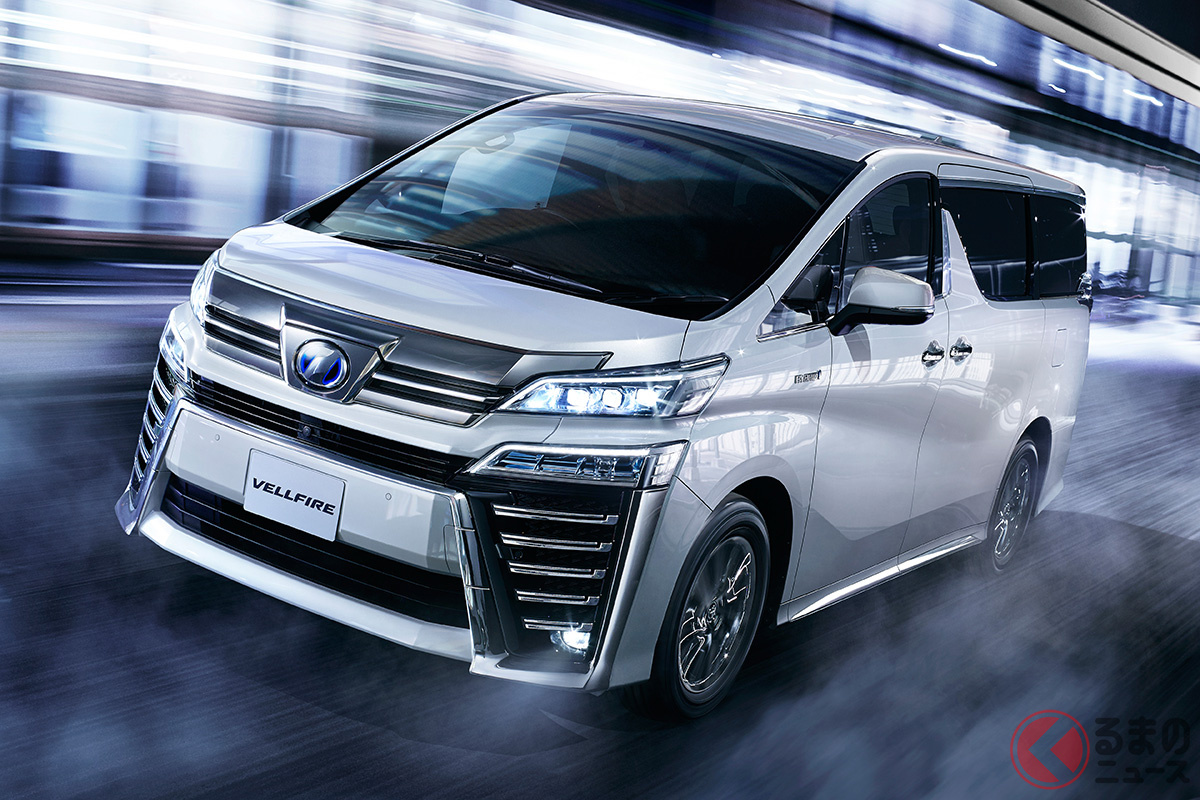
Toyota Vellfire Stuns with Fearless Aero and Shakotan Style at Tokyo Auto Salon 2024
ByPawaniIn an exciting revelation, M’s Speed is set to showcase a distinctive demo car featuring unique customizations for the latest Toyota Vellfire at the upcoming Tokyo Auto Salon 2024, scheduled from January 12 to 14, 2024. The presentation will include a super-stylish Vellfire, highlighting the model’s “fearless aero and Shakotan specifications.”
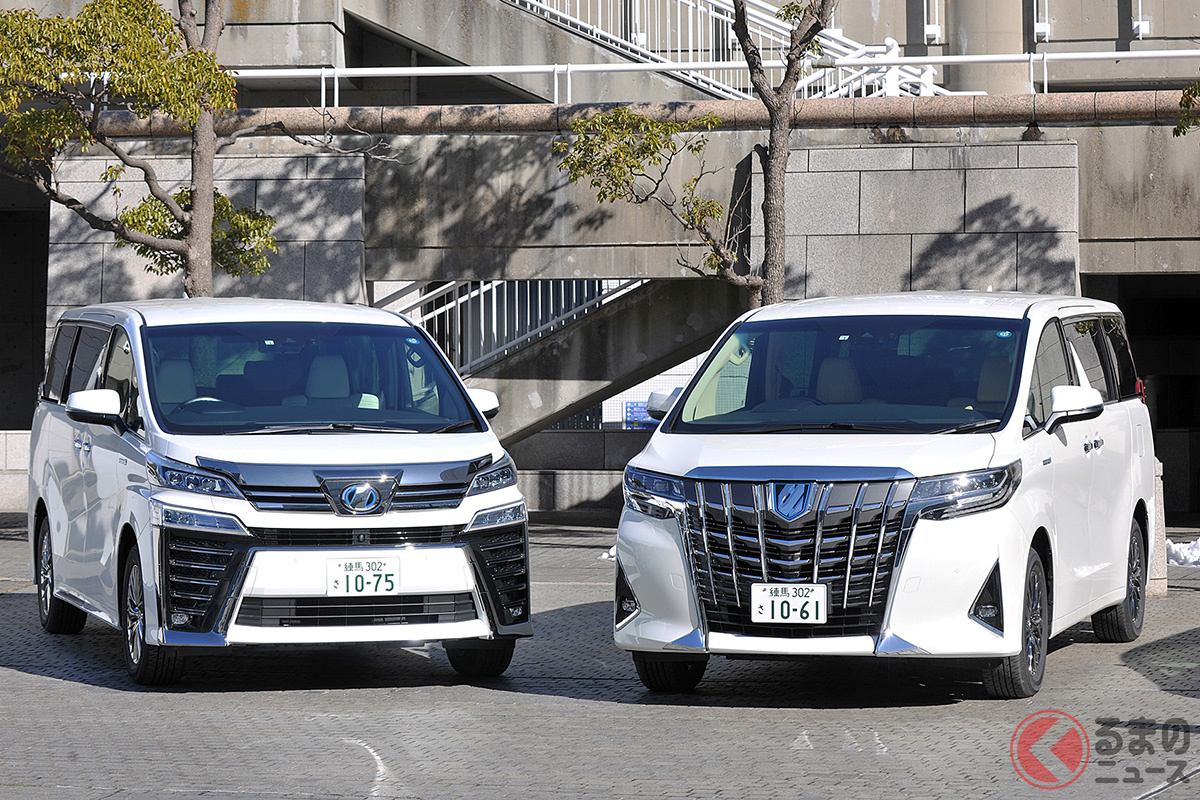
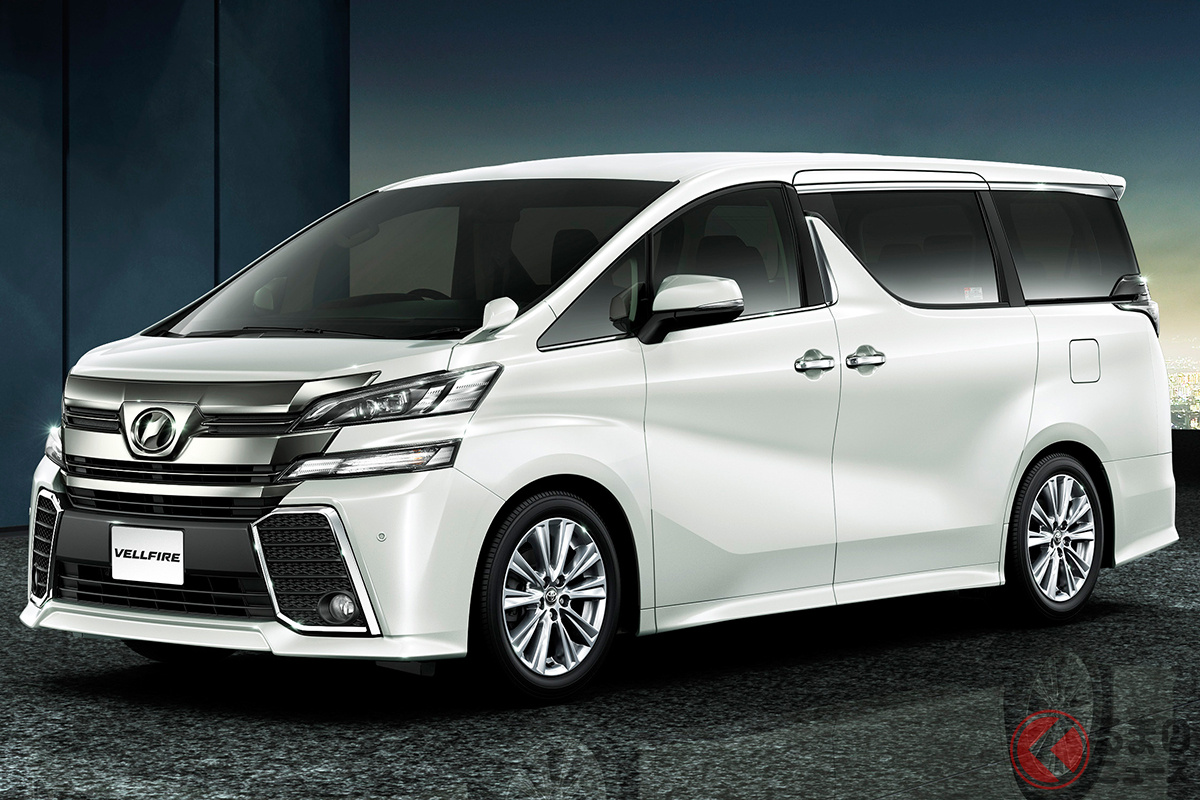
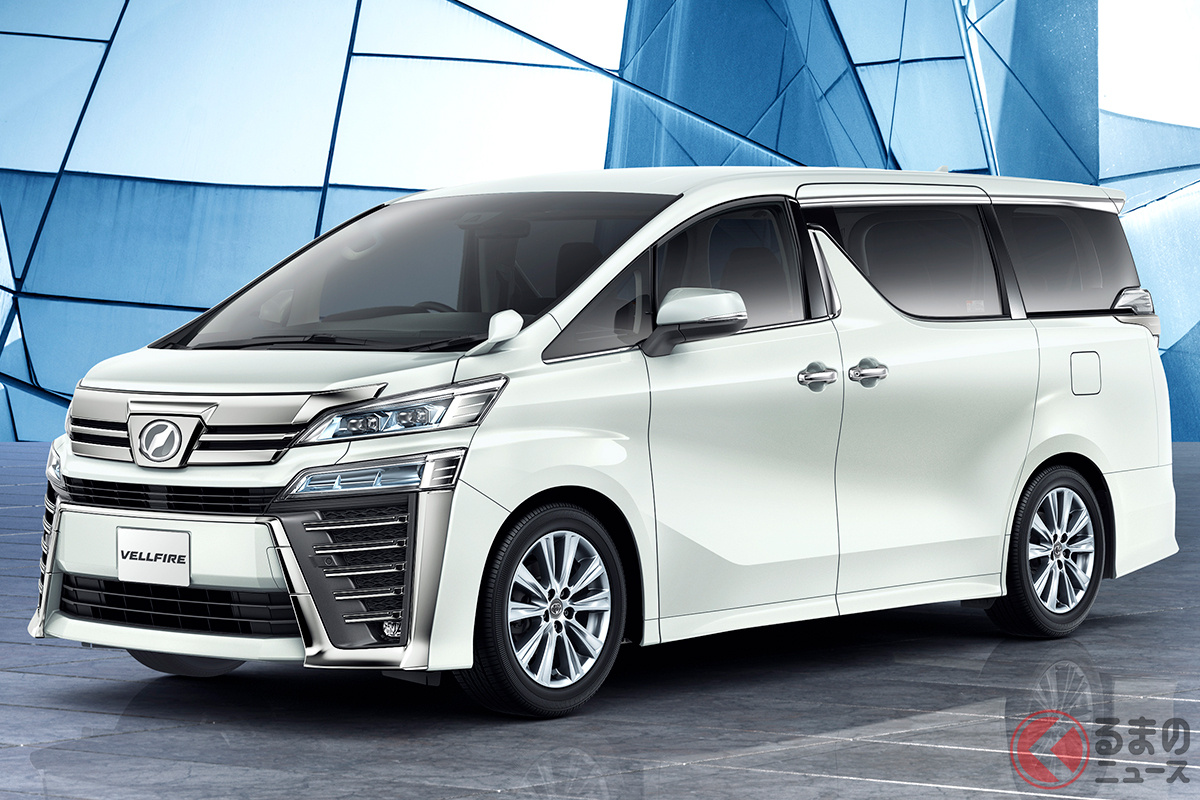
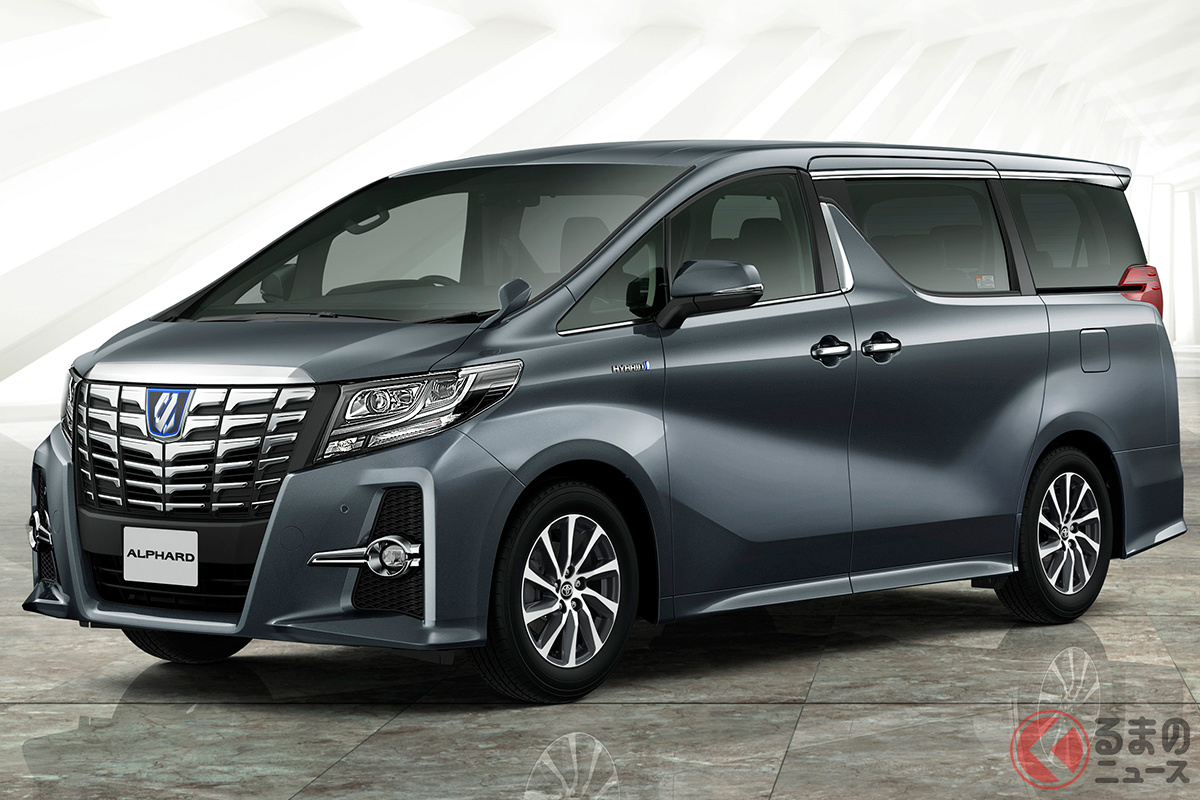
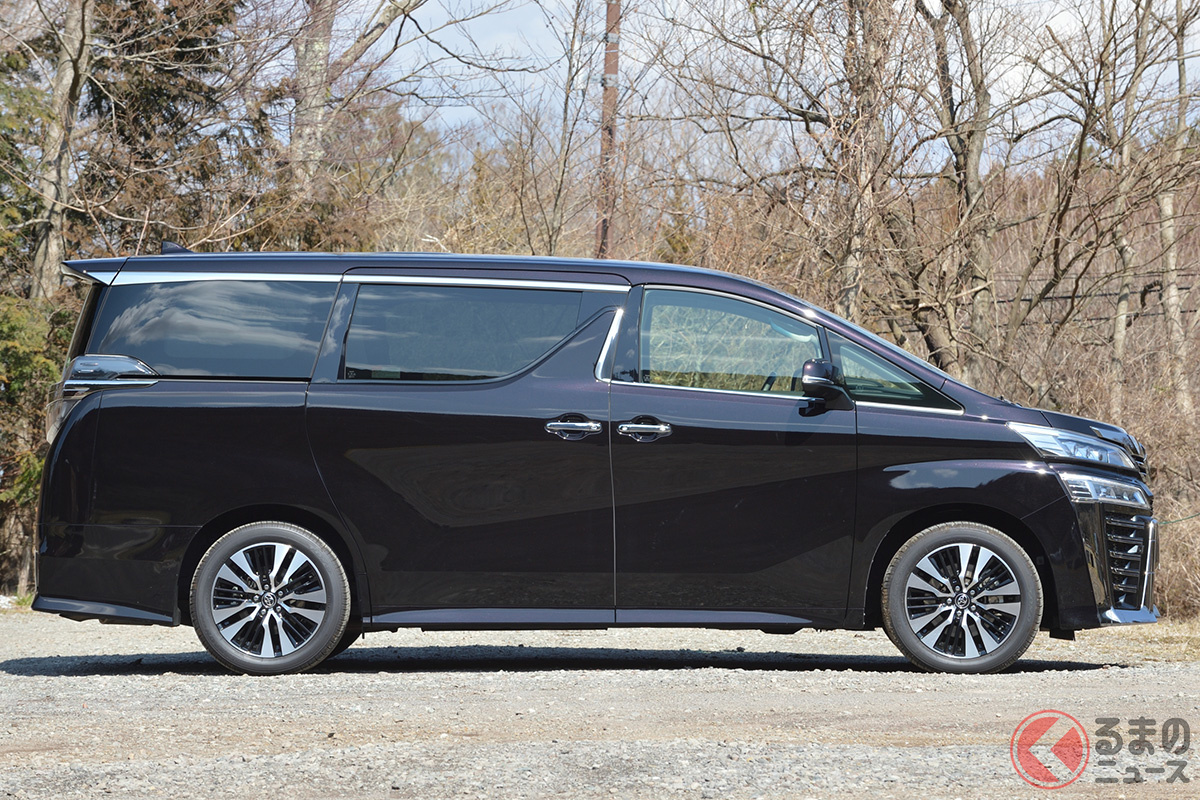
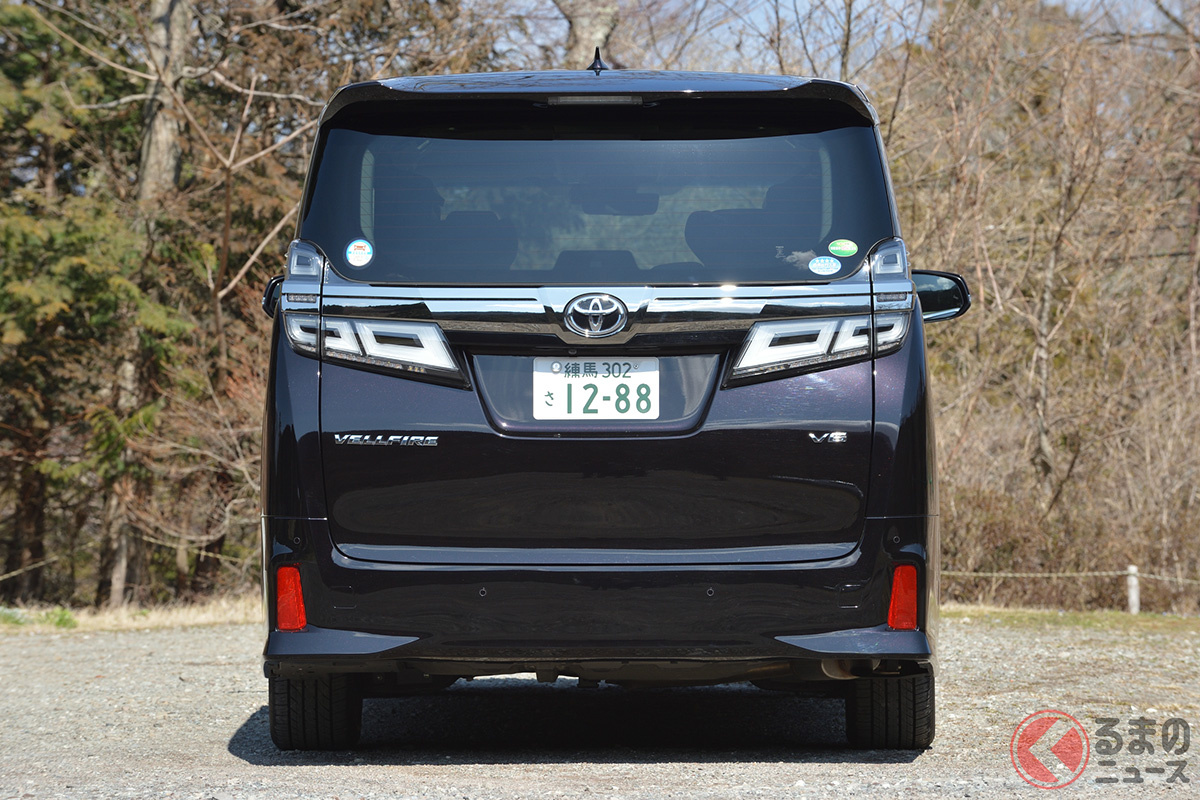
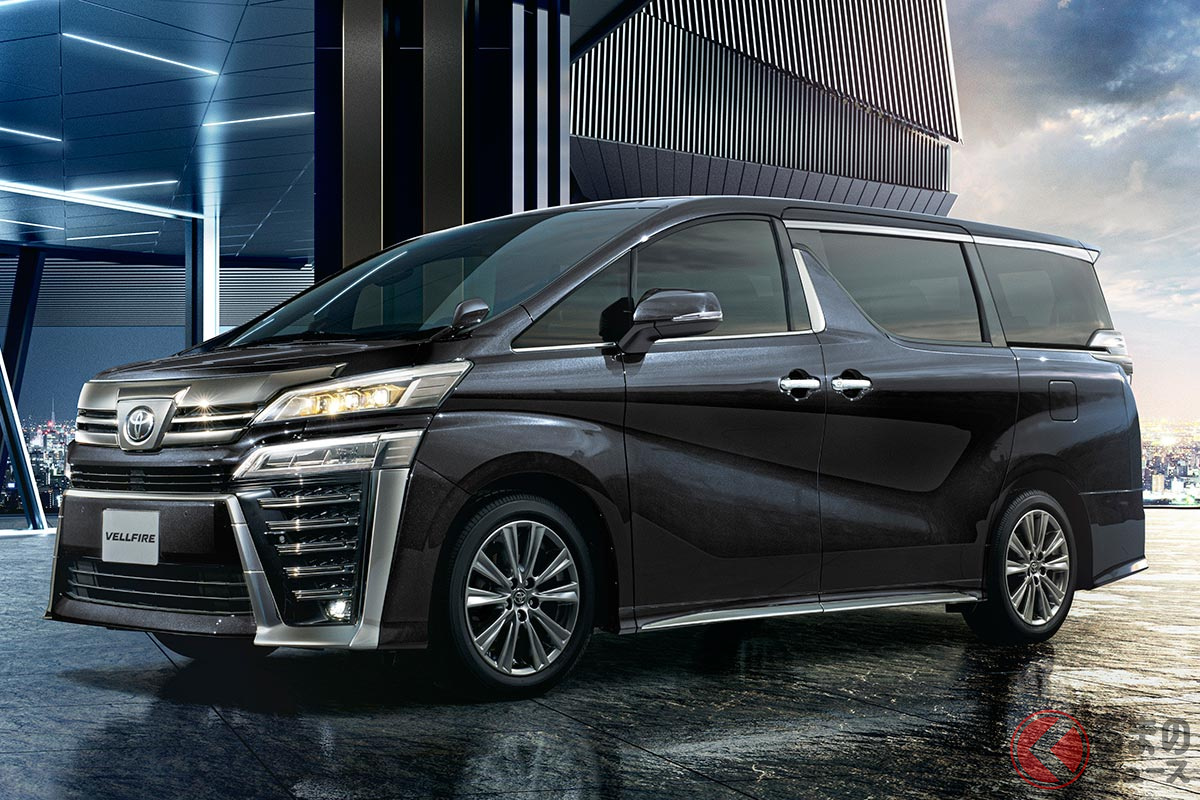
Toyota initiated a comprehensive model overhaul for the Alphard and Vellfire on June 21, 2023, marking the first significant update in approximately eight years. Synonymous with luxury minivans, the Alphard and Vellfire have been pioneers in the segment since their respective launches in 2002 and 2008. The latest iterations, the 4th generation Alphard and 3rd generation Vellfire, strive to elevate the concept of “comfortable transportation happiness,” offering a level of comfort comparable to luxury sedans.
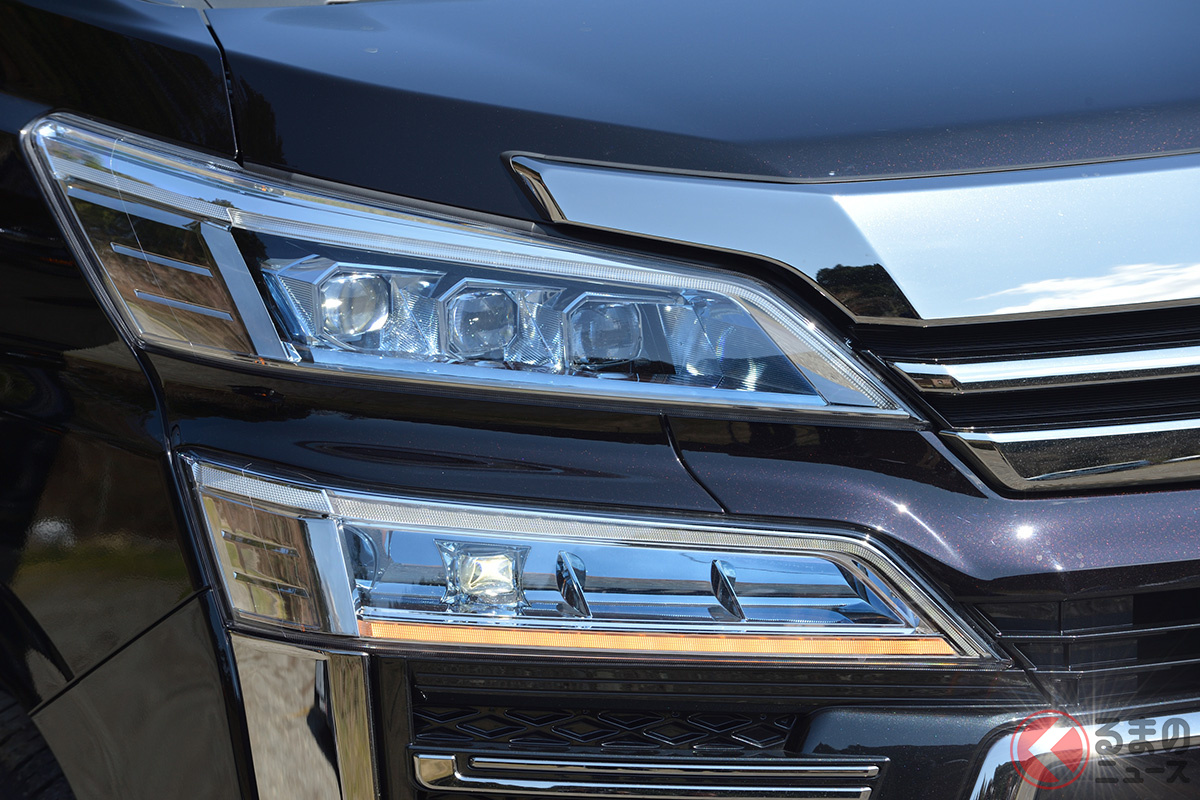
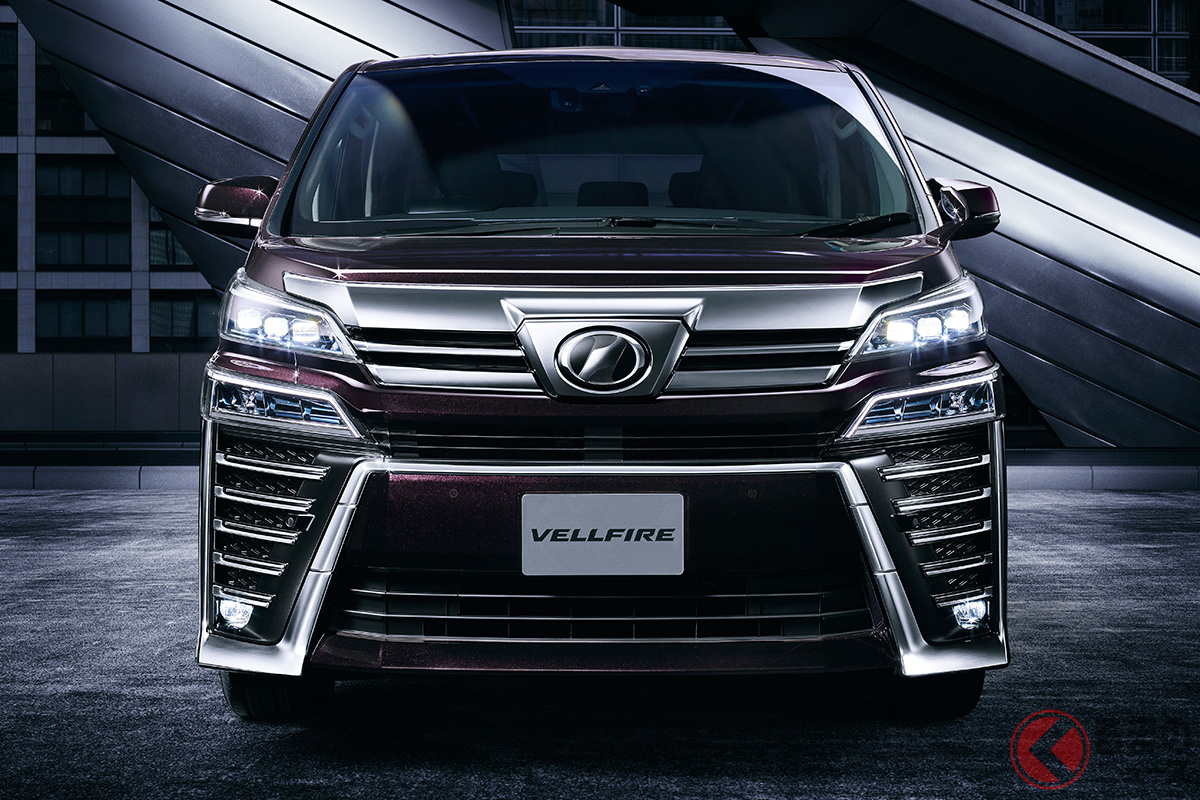
Distinguishing itself from its sibling Alphard, the Vellfire boasts a unique design concentrated around the front area, fortified body structure, and specially tuned suspension. Adding to its allure, the Vellfire features a high-output 2.4-liter inline 4-cylinder turbo engine, not found in the new Alphard, enhancing the overall driving experience.
In a swift response to the new Vellfire’s debut, M’s Speed, renowned for its development and sale of aero parts, introduced the “EXCLUSIVE ZEUS Body Kit GRACE LINE” for the 40 series and 3rd generation Vellfire on November 14th. The body kit comprises a front spoiler, side step, and rear spoiler, available individually or as a set. The set includes a lip-type half spoiler for the front and an under spoiler for the rear, accommodating both standard downward muffler cutter specifications and custom 4-piece muffler shapes. Prices for the aero parts set start from 273,900 yen, featuring options like matte black with a textured finish (made by AES) and gloss black (made by ABS).
M’s Speed has gone a step further for the Tokyo Auto Salon 2024, presenting a special demo car of the new Vellfire featuring air suspension and custom wrapping. This exclusive unveiling promises to captivate auto enthusiasts, showcasing the model’s versatility and the potential for personalization. Simultaneously, M’s Speed plans to reveal a customized version of the new Alphard at the prestigious event, adding to the anticipation surrounding Toyota’s latest offerings in the luxury minivan segment.