

Similar Posts
What has changed with the partial improvement of Toyota’s new luxury SUV “Harrier”? The biggest change is the “price increase” of up to 130,000 yen or more!
“What has changed in the Toyota’s new luxury SUV “”Harrier”” partial improvement? The biggest change is a “”price increase”” of up to 130,000 yen or more!
Almost no changes to the interior and exterior, which have been well received since its debut
On October 4, 2022, Toyota released partially redesigned gasoline and hybrid versions of its luxury SUV, the Harrier.
A new lineup, the Harrier PHEV plug-in hybrid vehicle (PHEV), will also be added to the lineup and go on sale on October 31.
The new Harrier has not changed much in terms of appearance since its debut in June 2020, but what has changed with the partial improvement?PHEV has an exclusive interior and exterior! What has changed? Toyota’s new Harrier in 33 photos
No change in appearance! Toyota’s new “”Harrier”” partially redesigned model released on October 4, 2022 (Photo: “”G”” Hybrid/FWD model)
The current 4th generation Harrier was fully remodeled in June 2020, and this is the first time it has been partially remodeled.
Since its debut, the Harrier has sold extremely well, with a waiting list of six months or more for delivery of some grades and specifications.
Because of its popularity, no exterior changes have been announced for the first partial model change in almost two years.
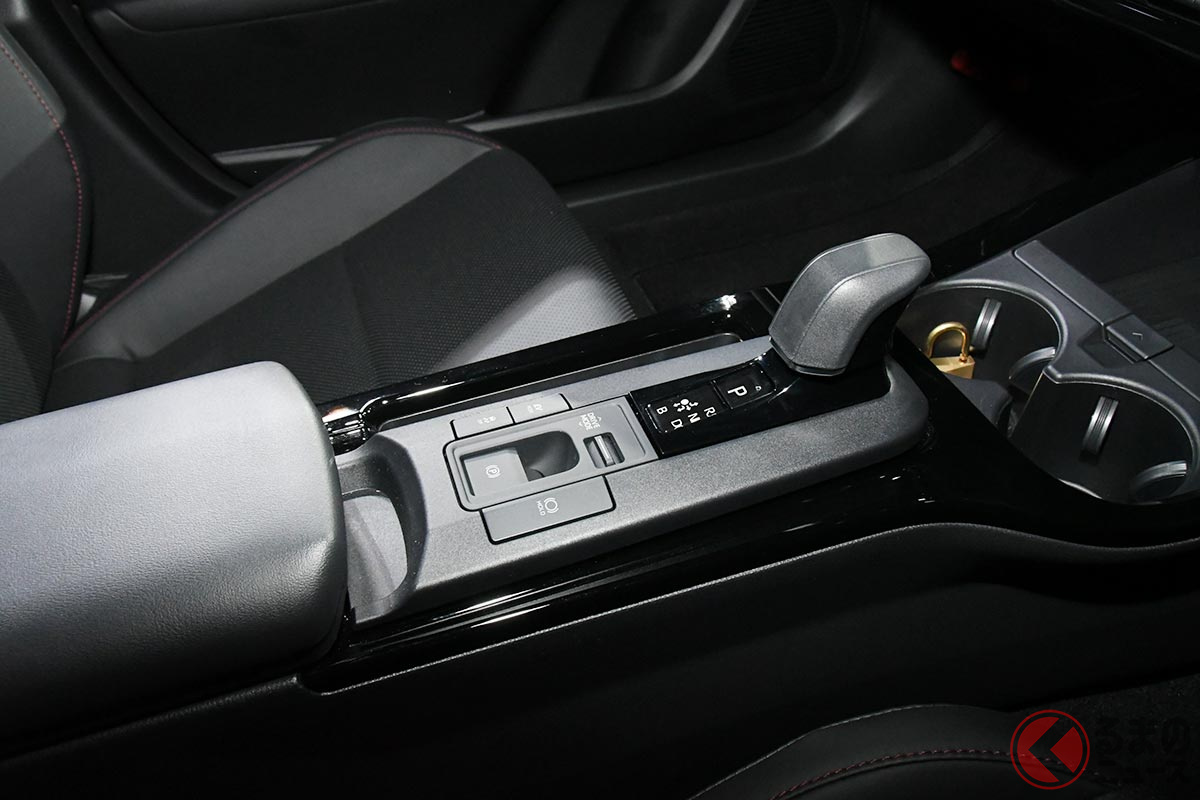
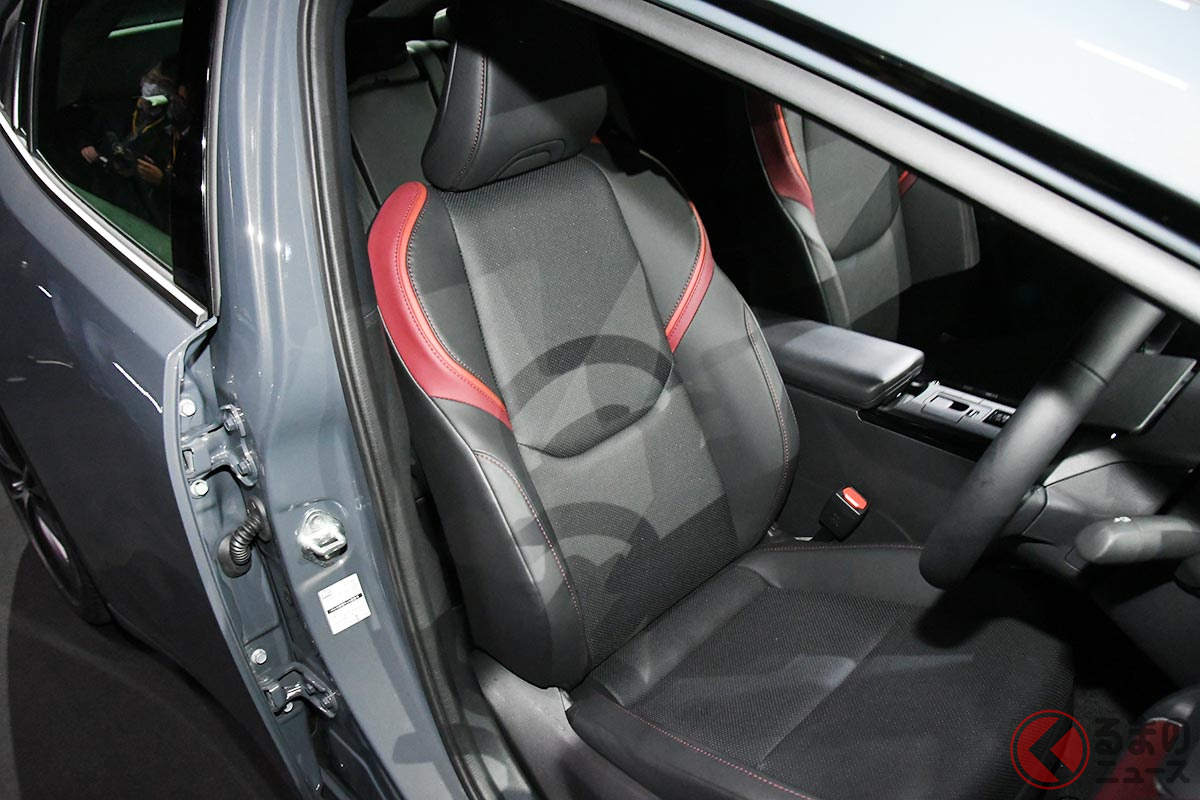
Only the newly added Harrier PHEV model with a new powertrain has been given exclusive features such as an exclusive body color, an exclusive front grille, black exterior decorations, and a dark red interior piping ornament with a metallic mesh texture, in order to differentiate the interior and exterior.
For the base gasoline and hybrid models, the main changes are updates to equipment and functions.
Specifically, Toyota’s advanced driving support system, Toyota Safety Sense, has been updated to include a collision damage reduction braking function that detects oncoming vehicles when turning right at intersections and pedestrians crossing from the opposite direction when turning right or left.
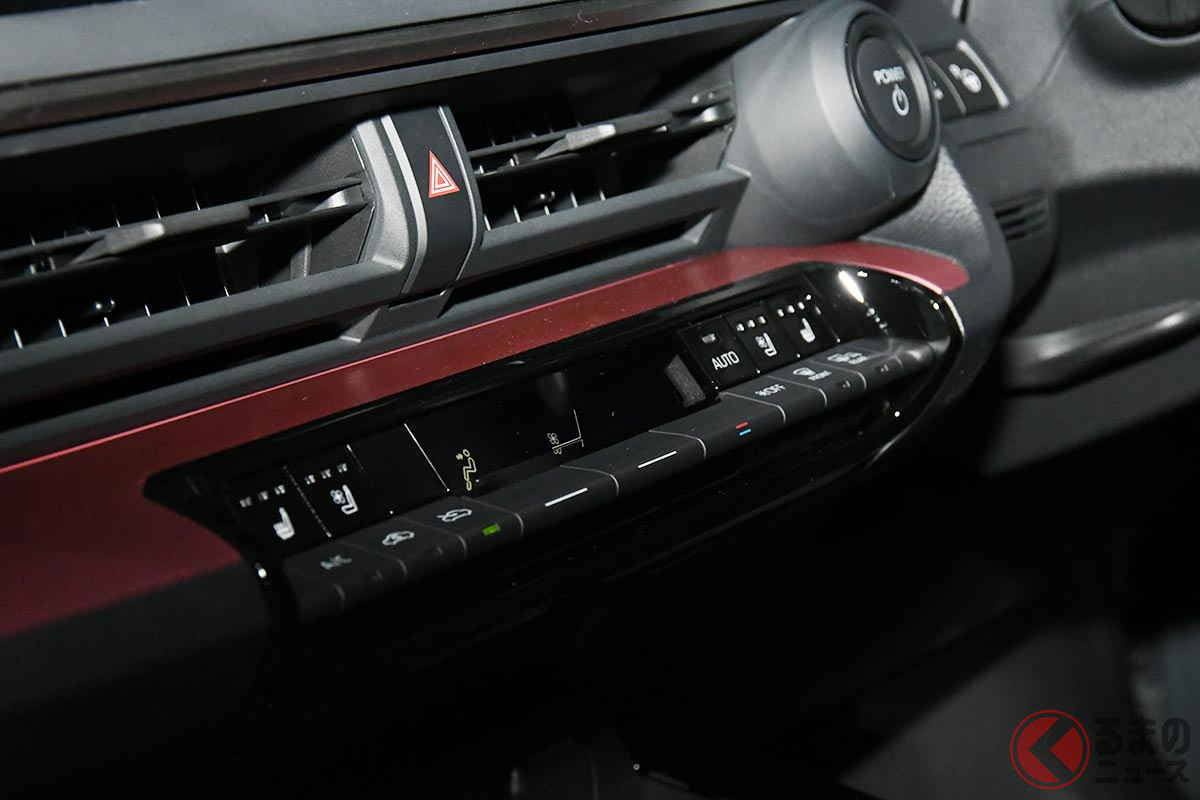
In addition, a display audio system compatible with the Connected Navi has been adopted, and a large 12.3-inch display with a new layout has been set. Ease of use has been improved, including changes to the air conditioning panel.
The display audio system is now equipped with an in-car navigation system for the higher grades, and “”in-car Wi-Fi”” has also been adopted.
In addition, the meter panel of the higher grades features a 12.3-inch TFT color meter with full LCD and a multi-information display for improved visibility.
The new Harrier’s price including consumption tax ranges from 3,128,000 yen for the gasoline model “”S”” [2WD] to 4,538,000 yen for the “”Z”” Leather Package [4WD]. The hybrid model ranges from 3,718,000 yen for the “”S”” [2WD] to 5,148,000 yen for the “”Z “”Leather Package”” [E-Four].
The new Harrier PHEV, which has been added to the lineup, is available only in one grade, the “”Z”” [E-Four], and is priced at 6,200,000 yen.
Compared to the price when it is introduced in 2020, the gasoline model “”S”” [2WD] 2.99 million yen to “”Z “”Leather Package”” [4WD] 4.43 million yen, and the hybrid model “”S”” [2WD] 3.58 million yen to “”Z “”Leather Package”” [E-Four] 5.04 million yen. A comparison shows that prices have been raised by 108,000 yen to a maximum of 138,000 yen.
The most significant change in this partial improvement may be said to be the “”increase in selling price.
* * *
The lineup has also been quietly reorganized at the timing of the partial improvement.
Among the Harrier’s basic grade lineup of S, G, and Z, the “”Leather Package”” with genuine leather interior had been available for the intermediate G and the high-end Z, respectively, but with these partial improvements, the “”Leather Package”” is now available for both the gasoline and hybrid models. However, the G “”Leather Package”” has been discontinued for both gasoline and hybrid models, leaving only the Z grade.
Translated with www.DeepL.com/Translator (free version)”
Unveils Game-Changing ADVAN V03 Tires for Toyota’s Luxury Minivans, Delivering Unmatched Performance and Comfort
ByPawaniADVAN V03 Tires for Toyota’s Luxury Minivans ADVAN V03 Tires for Toyota Luxury Minivans ADVAN V03 Tires for Toyota Luxury Minivans ADVAN V03 Tires for Toyota Luxury Minivans ADVAN V03 Tires for Toyota Luxury Minivans 2023-07-08(Toyota Alphard and Vellfire) by RAI STAR Yokohama Rubber Introduces Revolutionary ADVAN V03 Tires for Toyota’s Luxury Minivans Yokohama Rubber…
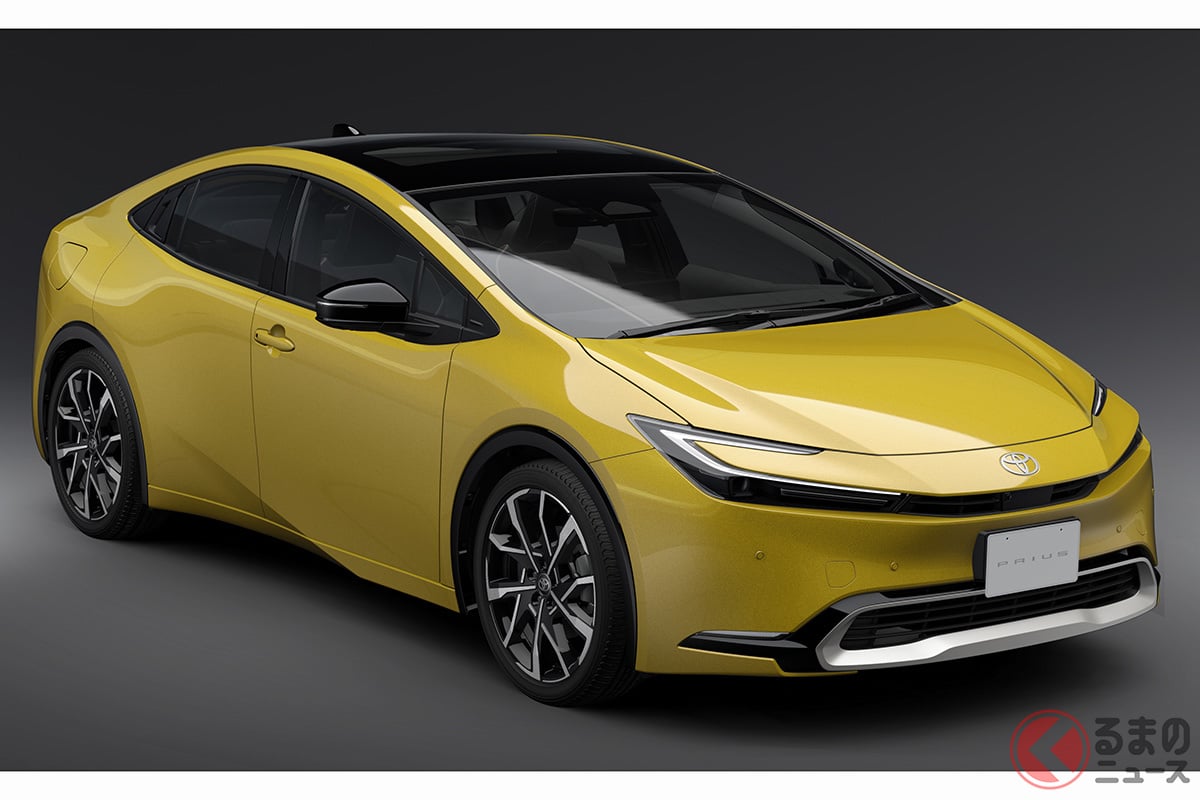
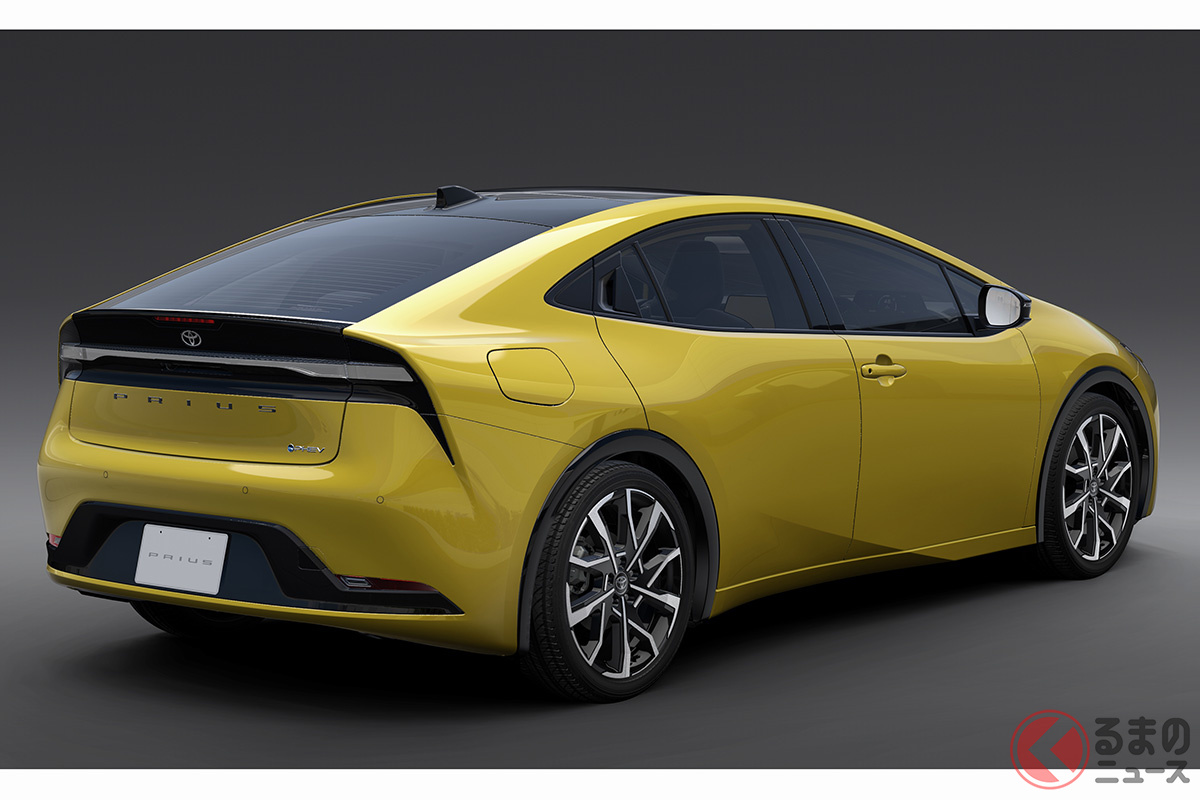
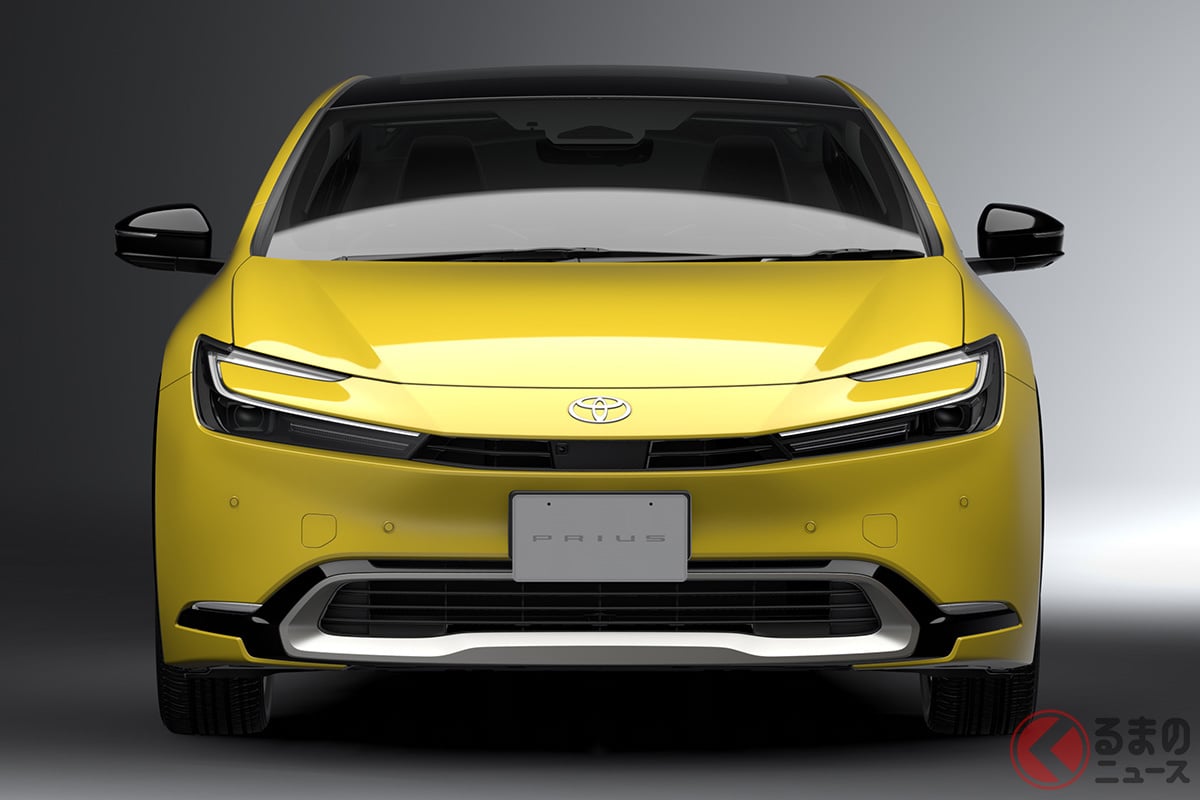
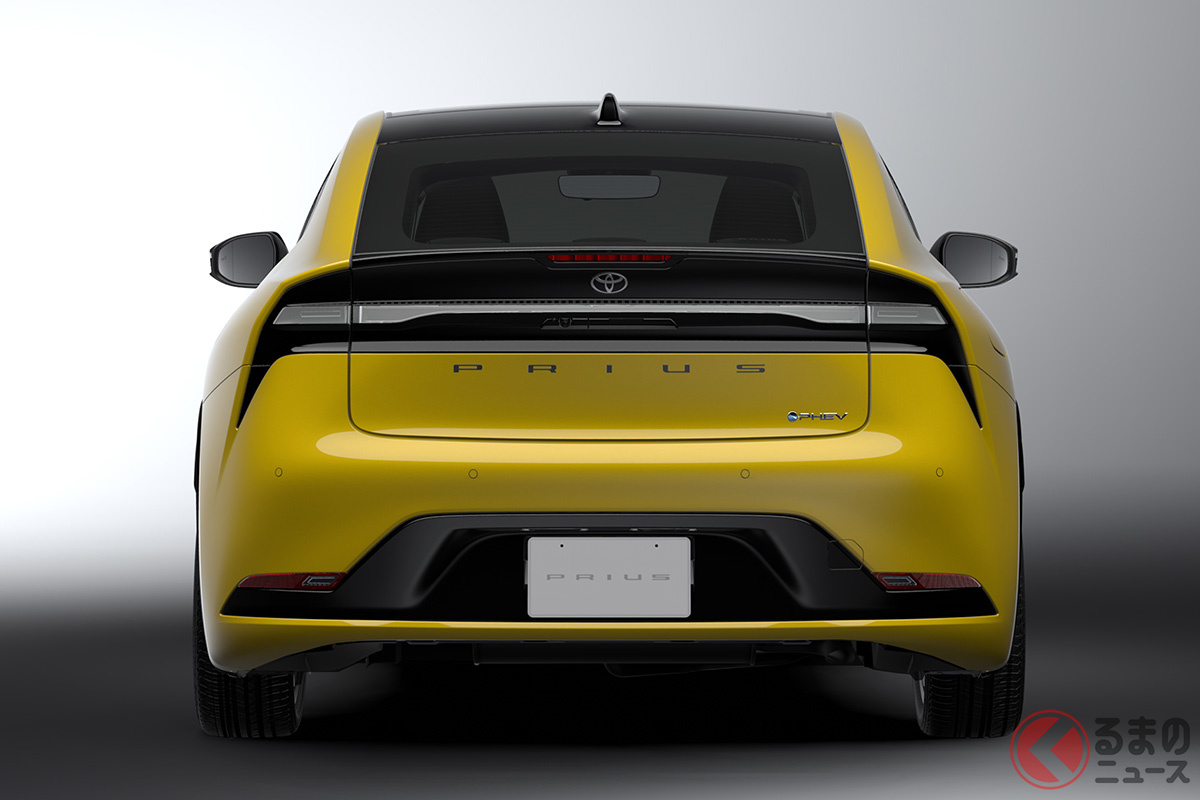
The new Toyota Prius continues to attract attention from users
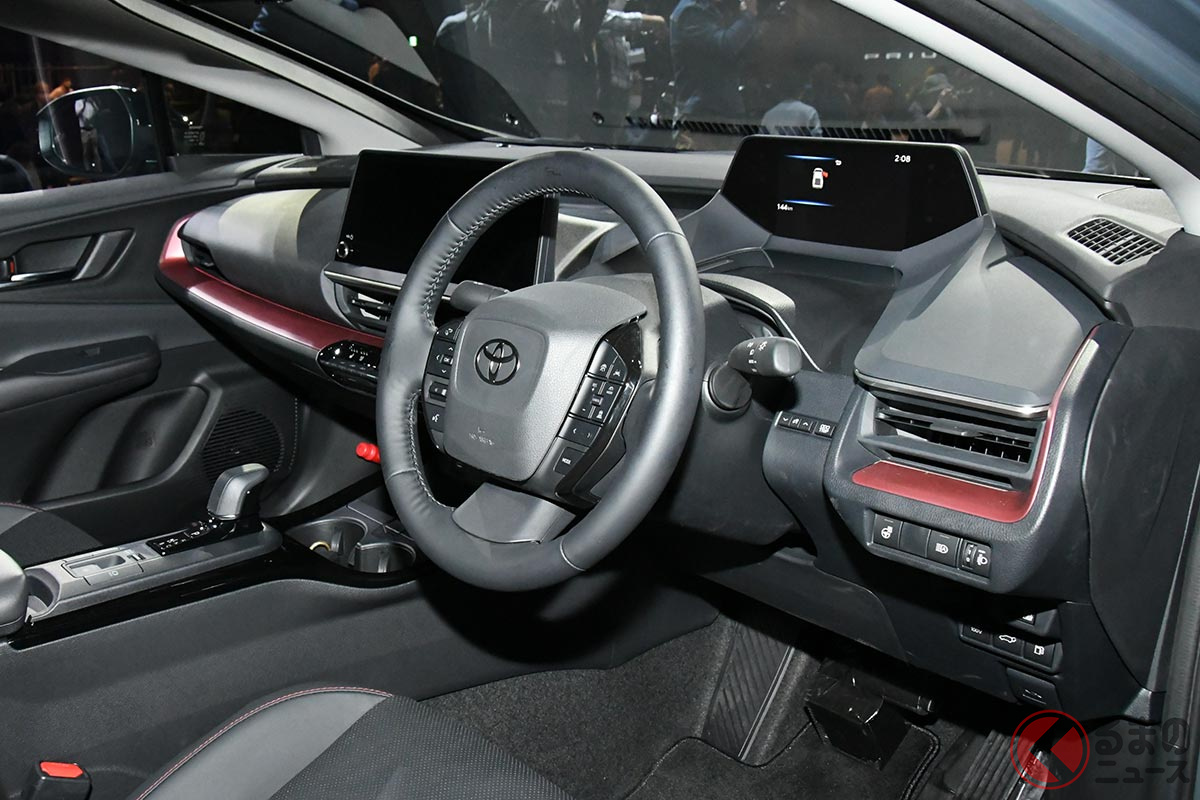
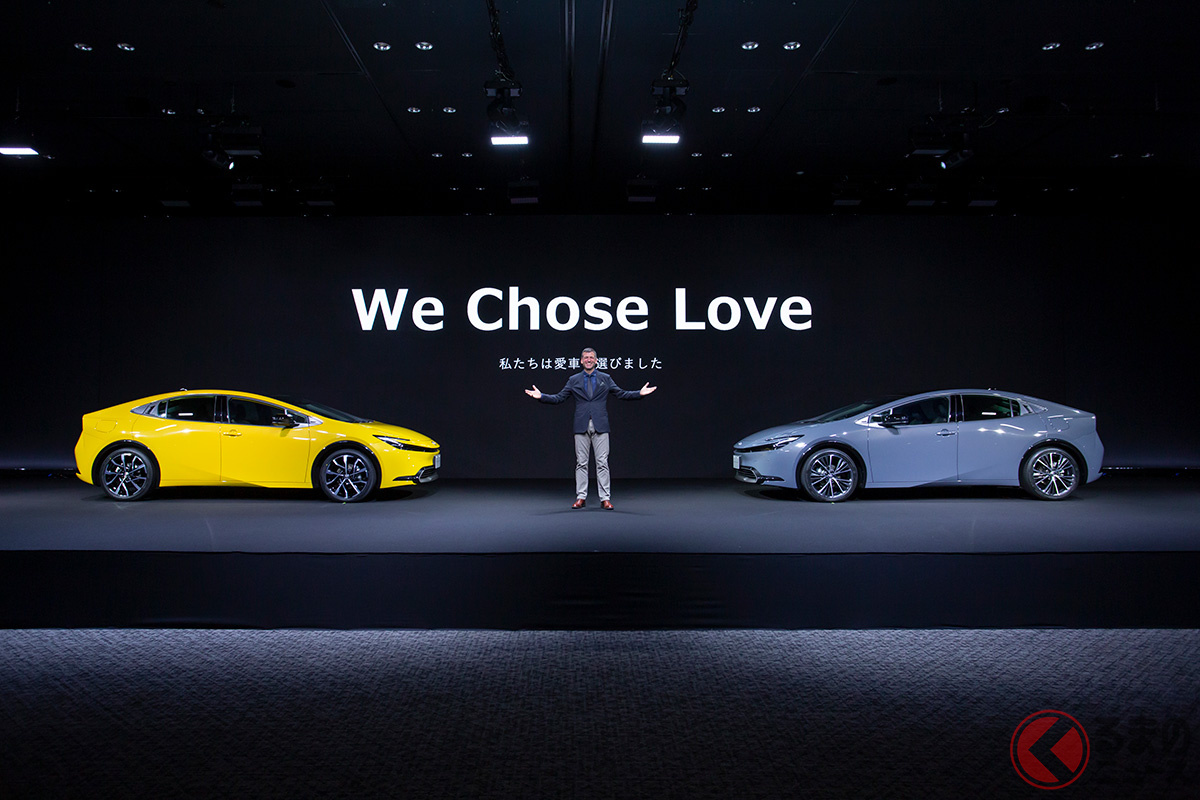
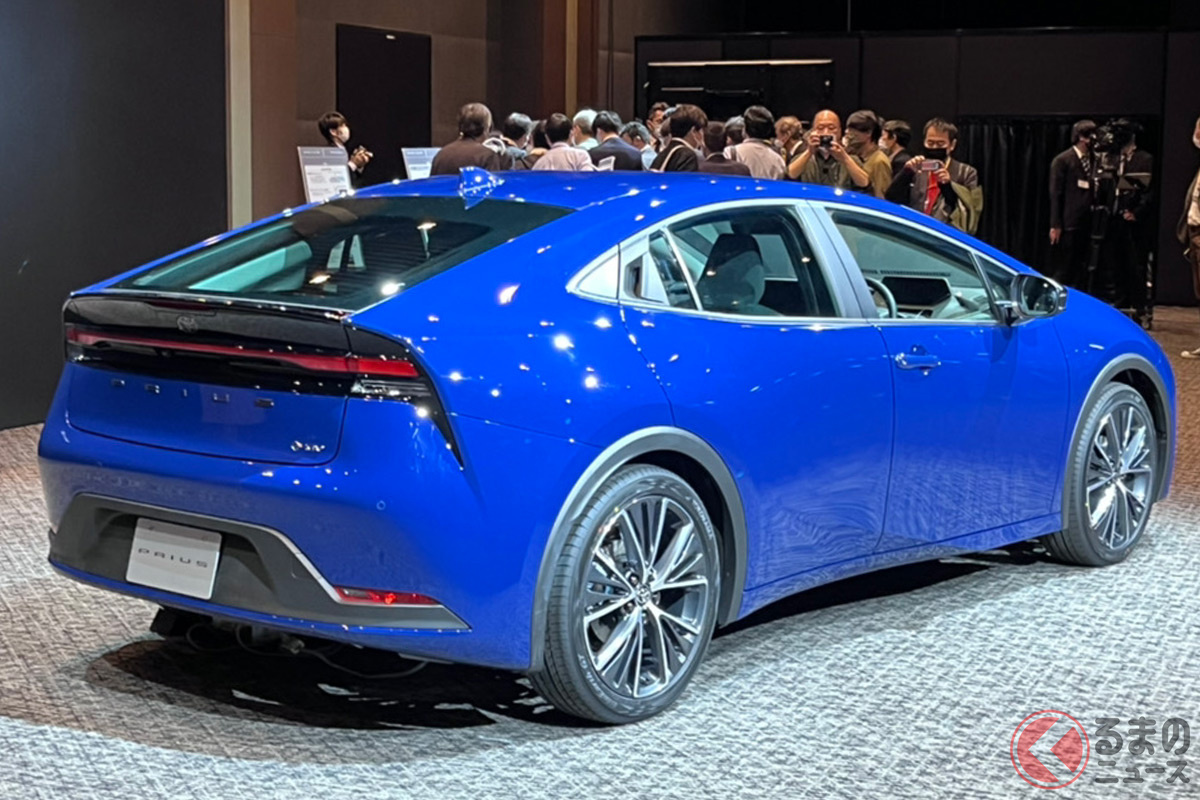
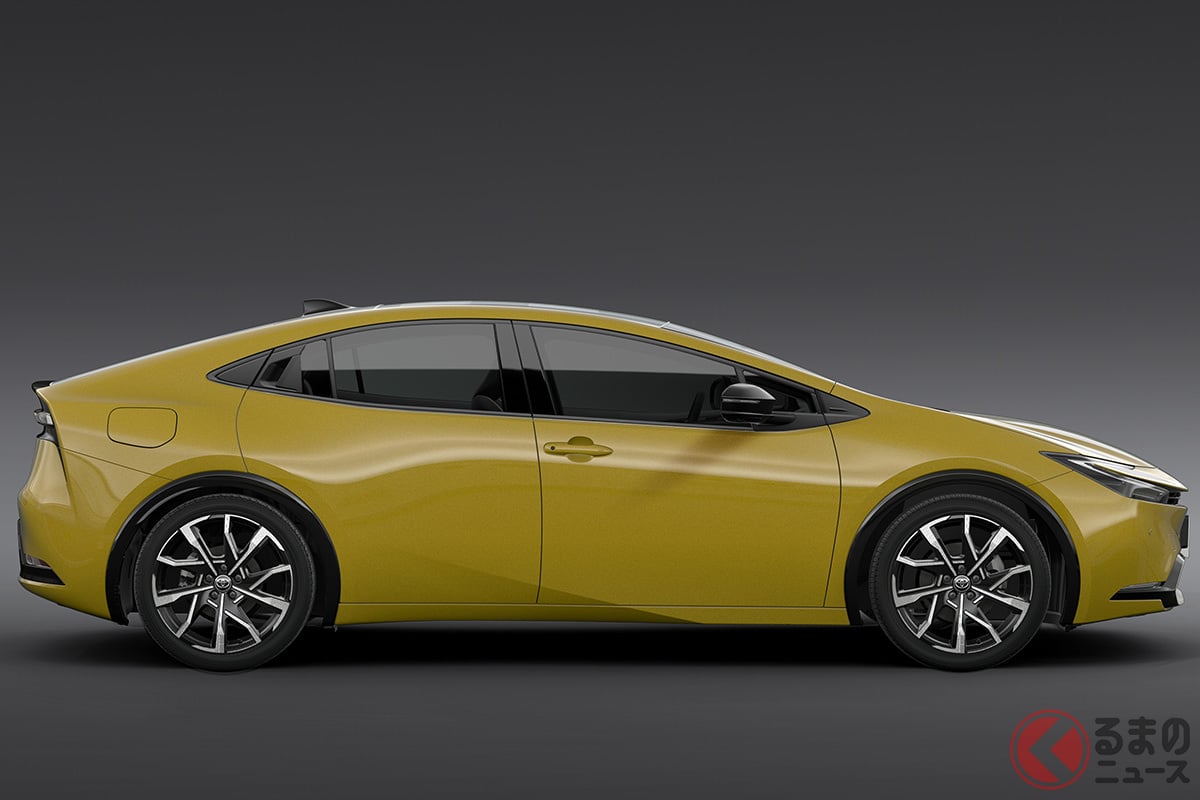
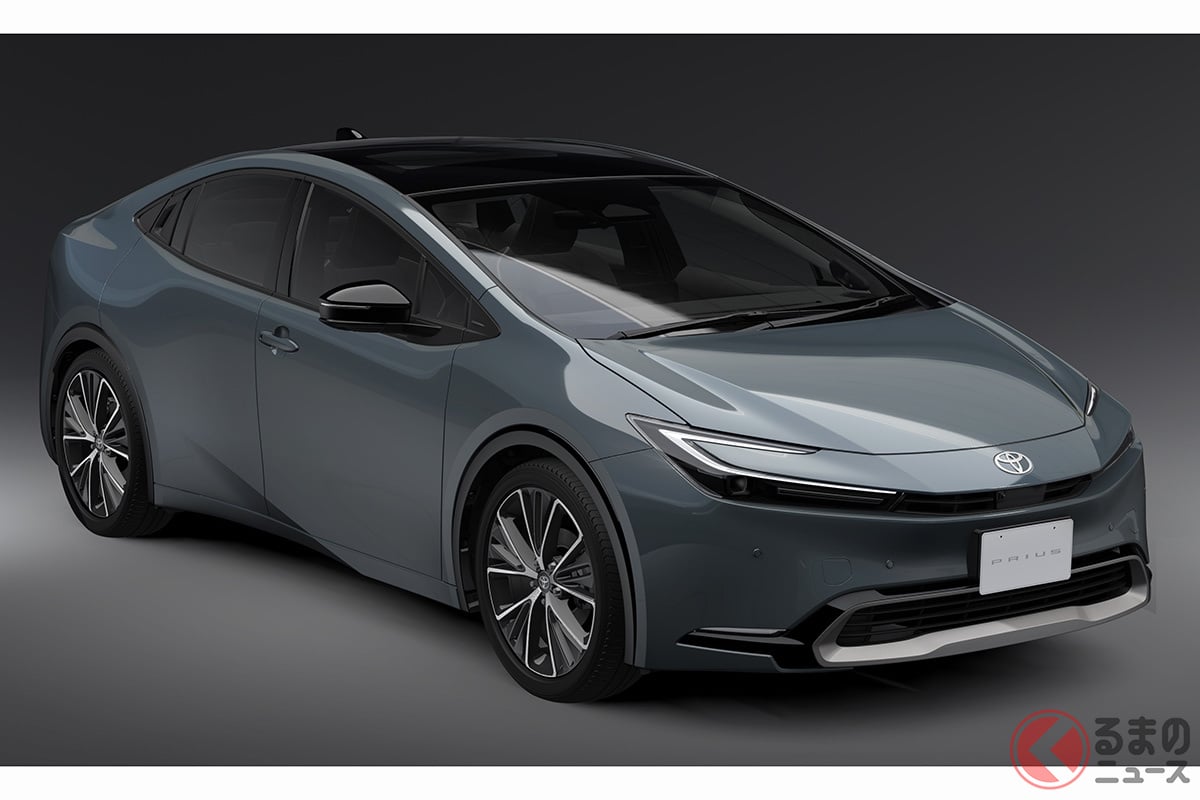
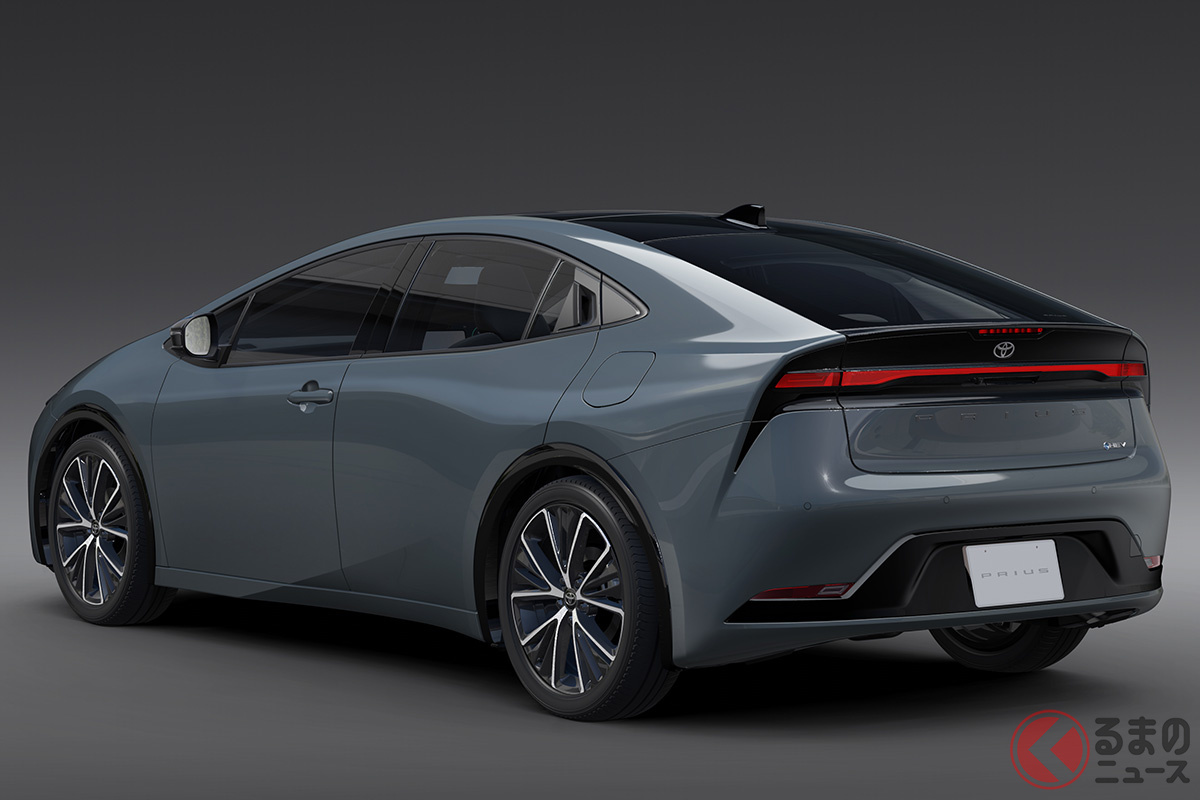
The automotive world was abuzz with excitement as the new Toyota Prius took its global bow on November 16, 2022, followed by the hybrid variant hitting dealership floors on January 10, 2023.
While the new Prius has been garnering attention from a wide spectrum of users, a pertinent question arises: How does it fare in the eyes of those loyal to the previous generations of the Prius?
A World of Evolution since the Earlier Iterations… A Comparative Look at the “Then and Now” of Toyota’s Iconic Model
The original Prius, marking its debut in 1997, carved its name as a trailblazing hybrid model. Throughout its journey, this groundbreaking vehicle witnessed transformative changes, not only in its driving dynamics but also in its exterior aesthetics and interior spaciousness. The culmination of these changes came with the fourth generation in 2015.
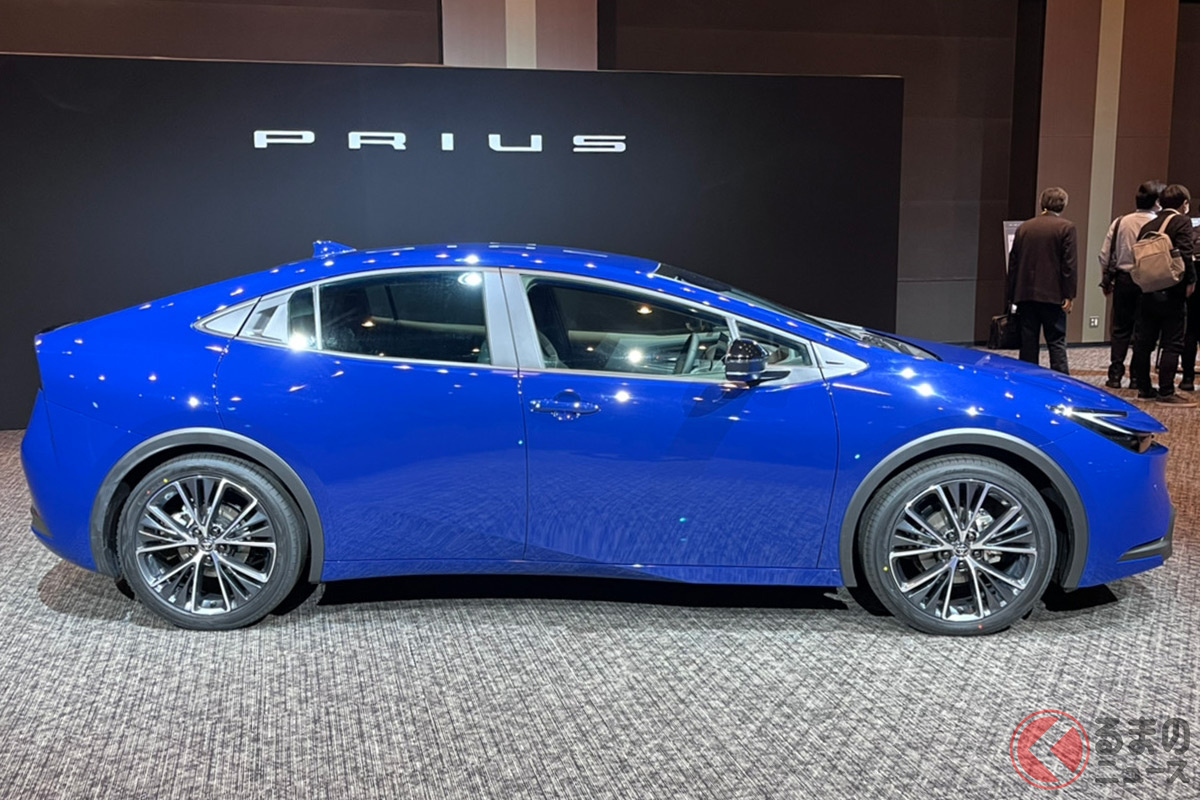
In contrast to its predecessor from 2009, the fourth-gen Prius exhibited a more streamlined silhouette, coupled with a lowered center of gravity for heightened stability and enhanced aerodynamics. Amidst this backdrop, the stage was set for the fifth-generation Prius to make its grand entrance on November 16, 2022.
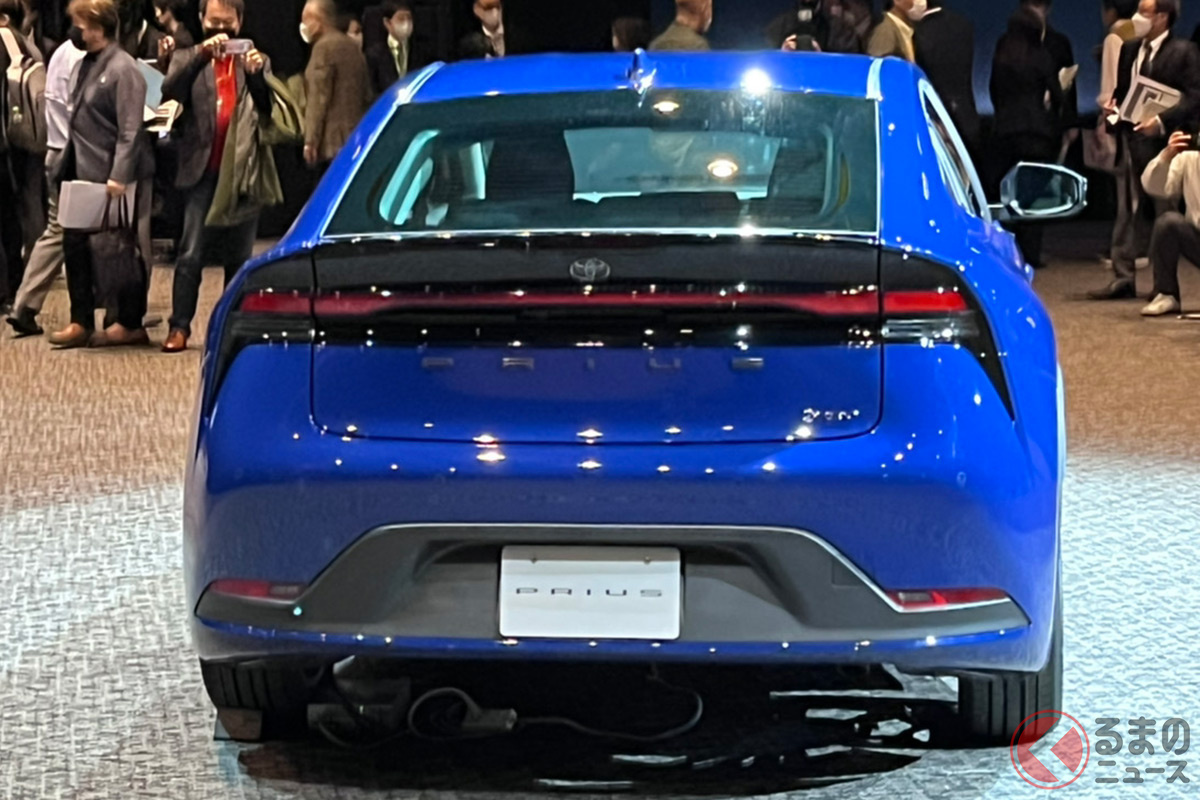
Guided by the ethos of “Hybrid Reborn,” the new Prius underwent a metamorphosis into an emotionally captivating vehicle, seamlessly blending a design that arrests hearts at first sight with a driving experience that enthralls.
A Glimpse from the Perspective of Previous-Generation Prius Owners
Mr. A, a proud owner of the fourth-gen Prius, a car he takes out for daily errands and occasional long voyages, shared his thoughts on the new Prius.
Reflecting on ride comfort, he said, “For everyday errands, it’s hard to pinpoint a big difference. However, during extended journeys, I sense reduced strain on my back and hips, translating to less fatigue. Also, on highways and windy roads, the car exudes a reassuring stability, preventing any sensation of dizziness.”
Yet, the fourth-gen Prius wasn’t without its quirks. Mr. A highlighted, “Maneuvering around corners with its relatively bulky frame has been a concern. Negotiating hairpin turns often demands a significant turning radius, and on narrow roads, overtaking can be tricky. The car’s forte seems more aligned with wide road driving.”
Perceptions of the Fifth-Generation Prius
When asked about the new Prius, Mr. A candidly remarked, “Design-wise, I find the fifth-gen Prius to be edgier and cooler than its predecessor.” However, concerns were not absent. While the new model boasts a feature that detects approaching vehicles from behind and even alerts about bicycles and other obstacles while exiting the vehicle, there is some skepticism about its practical accuracy.
Drawing from his experience with the fourth-gen Prius, Mr. A confessed, “There were instances where the sensors misjudged and beeped for grass, mistaking it for an obstacle. So, naturally, I’m somewhat uncertain about the new Prius’ sensor accuracy.”
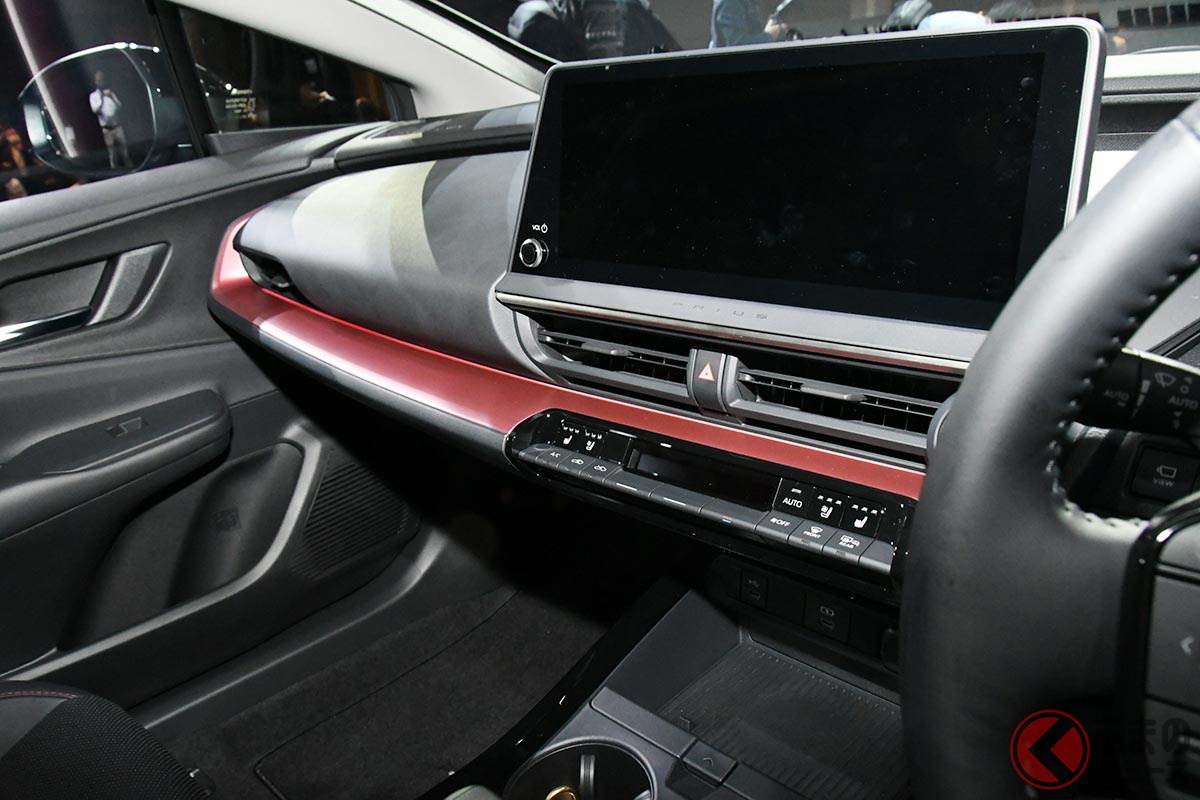
His experience test-driving the new Prius revealed additional insights. “Besides driving performance, I’m intrigued by the purported enhancements in seat ventilation and heating functions. The ease of driving and ride comfort are aspects I’m keen on exploring.”
Presently, the hybrid variant is already on sale, with some premium trims witnessing a surge in demand to the point of halting new orders. The plug-in hybrid version, the Prius PHEV, is poised to make its debut in March.
While the new Prius has certainly garnered a burgeoning fan base, the real narrative might only unfold when enthusiasts put it through its paces in their daily lives.
Nissan’s mid-size sedan the Skyline has a long history as a sporty car with rear-wheel drive
Nissan’s mid-size sedan, the Skyline, has a long history as a sporty car with rear-wheel drive. However, the market surrounding the Skyline has changed significantly in recent years with the popularity of crossover SUVs and the shrinking of sedan lineups among various manufacturers. The current 13th generation Skyline (V37) is the only sedan model sold by Nissan in Japan, and it retains the characteristics of its predecessors while incorporating advanced driving support systems to enhance its premium sedan value. Despite being released initially as a hybrid model with a 3.5-liter V6 engine and motor combination generating 364 horsepower, Nissan added a 2-liter turbocharged inline-4 engine model called the GT-t, which produces 211 horsepower, the following year.
BMW’s EV pioneer “i3”, production discontinued … 250,000 units produced in 8 years
“BMW’s EV pioneer, the i3, is no longer in production… 250,000 units produced in 8 years.
New colors Frozen Dark Gray and Frozen RedBased on the “”i3s”” with a maximum output of 184hp motor
The first BMW i production model is the i3
BMW announced on June 30 that 10 units of the final model of the i3 EV, the “”Home Run Edition,”” have come off the line, ending production of the car. i3, BMW’s first full-scale mass-produced EV, has ended its history after producing about 250,000 units in the eight and a half years since its launch.
◆New colors Frozen Dark Gray and Frozen Red
The Home Run Edition is based on the i3s. The new BMW Indivisual paint finish will be available in Frozen Dark Gray and Frozen Red2. The footprint is complemented by 20-inch aluminum wheels with a double-spoke design.
An electric glass roof, solar control glazing, and adaptive LED headlights are also included. Also included is a leather interior called Vernasca Dark Truffle, leather upholstered instrument panel, leather steering wheel with galvanized trim, Calum Gray roof lining, ambient lighting, and welcome lights.
Options include heated seats, Comfort Access, an alarm system, real-time traffic information, concierge service, park distance control, and a rear view camera. Also available are the Comfort Package and Driving Assistant Plus, a professional navigation system, telephony with wireless charging, a Harman Kardon high-fidelity speaker system, and online entertainment.
◆Based on the i3s, which is equipped with a motor with a maximum output of 184hp.
The Home Run Edition is based on the high-performance version of the i3s. The motor in the regular model i3 produces a maximum output of 170hp and a maximum torque of 25.5kgm. i3s will have a motor that can accelerate from 0 to 100km/h in 7.3 seconds and reach a top speed of 150km/h (with the limiter activated).For the i3s, the motor produces a maximum output of 184hp and maximum torque of 27.5kgm. Dynamic performance is 0-100km/h acceleration in 6.9 seconds and top speed of 150km/h (with the limiter activated).
As for the battery, the “”120Ah”” version is equipped with a large-capacity battery and has an extended cruising range. 120Ah, while maintaining the same battery size as before, increases the storage capacity by 27%, from 33.2kWh in the previous “”94Ah”” model to 42.2kWh. As a result, it has a maximum cruising range of 307 km (WLTP cycle) on a single charge.
The i3 is the first BMW i production model.
In 2011, the BMW Group launched BMW i as a lifestyle proposition brand with an emphasis on sustainability. i3, an EV and plug-in hybrid vehicle (PHV), was the first BMW i production model, with production beginning in September 2013.In September 2017, the company unveiled the first improved new model since its debut. In addition to interior and exterior improvements, the i3s grade is available as a sporty EV. BMW handed over its one millionth electric vehicle to customers in December 2021. The i3 has played a significant role along the way.
By 2025, the BMW Group plans to increase sales of pure EVs by an average of more than 50% per year, more than tenfold compared to sales in 2020; the BMW Group expects that pure EVs will account for at least half of its global sales by 2030. Over the next 10 years, the BMW Group plans to launch a total of approximately 10 million pure EVs.
“
Exciting Unveiling: Toyota Europe Reveals the All-New C-HR, Setting the Stage for the Second Generation!
On June 26, 2023, Toyota Europe made a groundbreaking announcement, revealing the world’s first glimpse of the highly anticipated second-generation compact SUV, the “C-HR.” This unveiling marked the first full model change for the C-HR in seven years, piquing the interest of automotive enthusiasts worldwide. However, amidst the excitement, the response from Toyota dealers in Japan has been mixed regarding the availability of the new C-HR in their market.
The C-HR has enjoyed immense popularity both in Japan and overseas, renowned for its exceptional design and impressive fuel efficiency. The name itself, C-HR, is an acronym derived from two phrases: “Compact High Rider,” emphasizing its compact and elevated cool style, and “Cross Hatch Run-about,” highlighting its crossover nature with hatchback-like agility. Combining a powerful design, outstanding driving performance, remarkable safety features, and ample interior utility, the C-HR has captivated the hearts of many since its initial release in Europe, followed by its introduction in Japan in December 2016.
Toyota Europe has once again pushed the boundaries with the new C-HR’s design, drawing inspiration from the sleek “hammerhead” design motif found in their latest SUV, the “Prius.” The coupe-like appearance and dynamic exterior, coupled with features like Toyota’s first “flush door handle,” short overhangs, and eye-catching wheels up to 20 inches, contribute to its avant-garde and robust aesthetic. Furthermore, Toyota has prioritized aerodynamic efficiency in the new C-HR, meticulously optimizing every detail to enhance airflow around and through the vehicle.
Australian Toyota Corporation has also announced the new C-HR, revealing its dimensions with a total length of 4360mm, width of 1830mm, height ranging from 1558mm to 1564mm, and a wheelbase of 2640mm. In addition to the existing 1.8-liter and 2-liter hybrid models, the new C-HR introduces a 2-liter plug-in hybrid variant. To cater to the evolving tastes of customers, Toyota offers a range of variations for the latest model, including a new two-tone color scheme that extends the black roof to the rear bumper and rear three quarters. This new C-HR aims to elevate the quality and value established by its predecessor, specifically tailored to meet the demands and preferences of European users. Toyota plans to produce this model exclusively in Europe, including the assembly of the high-voltage battery unit.
As news of the new C-HR spreads, Toyota dealers in Japan have been inundated with inquiries from curious customers eager to learn whether the vehicle will be available in their country. A representative from a Toyota dealer in the Tokyo metropolitan area shared, “We have received several inquiries regarding the new C-HR, such as ‘Please inform us if it will be sold in Japan.’ Regrettably, we are currently unaware of its availability, and our response is limited to stating that we do not have this information.”
Interestingly, another dealer representative mentioned that production of the C-HR is slated to discontinue in July 2023, causing them to suspend orders for the current model. Consequently, they have received minimal inquiries about the new C-HR. Furthermore, numerous customers are still awaiting delivery of the current C-HR, making it challenging to anticipate an imminent launch of the new generation.
Although there appears to be a degree of interest in the new C-HR among customers visiting dealerships, Toyota’s official website tells a different story. Under the title “C-HR Production End Notice,” the website states, “Production of the C-HR will cease at the end of July 2023. We sincerely appreciate the long-standing patronage of our many customers.” It seems that the first-generation C-HR will bid farewell with the conclusion of production, leaving lingering uncertainty about the arrival of the new model.
As Toyota enthusiasts eagerly await further updates on the availability of the second-generation C-HR, the automotive world remains captivated by the revolutionary design and innovative features presented by Toyota Europe. Time will tell whether the C-HR’s legacy will continue, enthralling car enthusiasts and making waves in the competitive SUV market once again.