| |

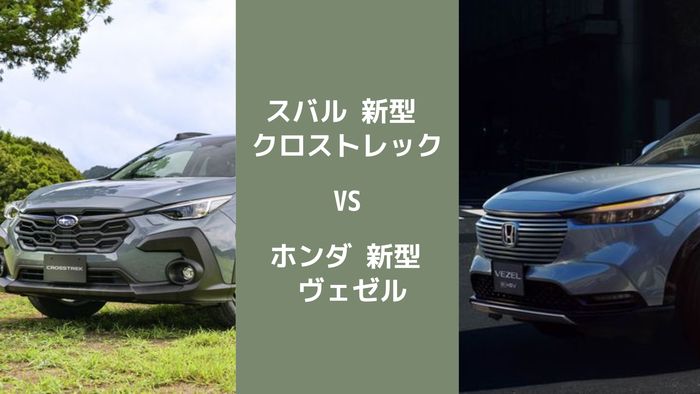
Subaru New Crosstrek (XV) VS Honda New Vezel Thorough Comparison
Crosstrek

Subaru New Crosstrek (XV) VS Honda New Vezel Thorough Comparison

Crosstrek


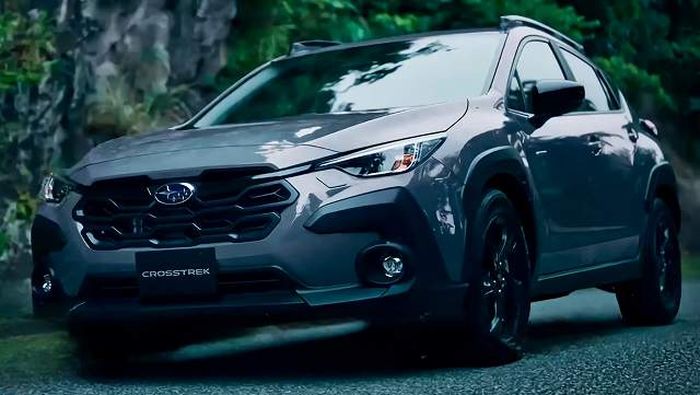
Subaru has made a complete model change of the “Crosstrek (former Japanese model name: SUBARU XV)” and unveiled the prototype with Japanese specifications to the world public for the first time on September 15, 2022. It will go on sale in 2023. Honda completed a full model change of the new “Vezel”, announced it on April 22, 2021 and unveiled it on April 23. I tried to compare the competition based on the technical specifications of the competing models.

About the new Subaru “Crosstrek” specifications

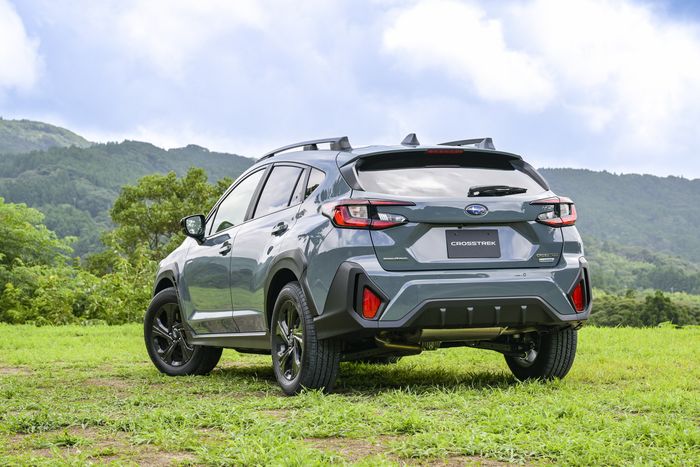
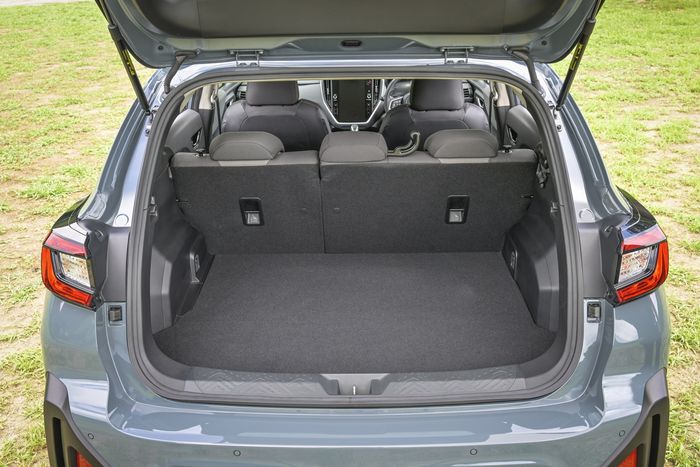
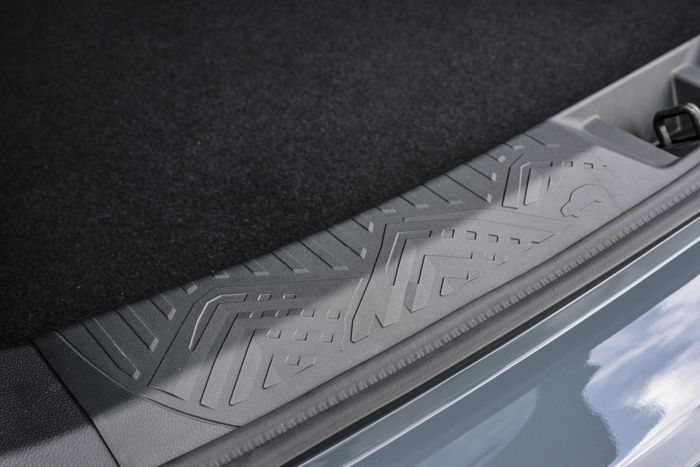
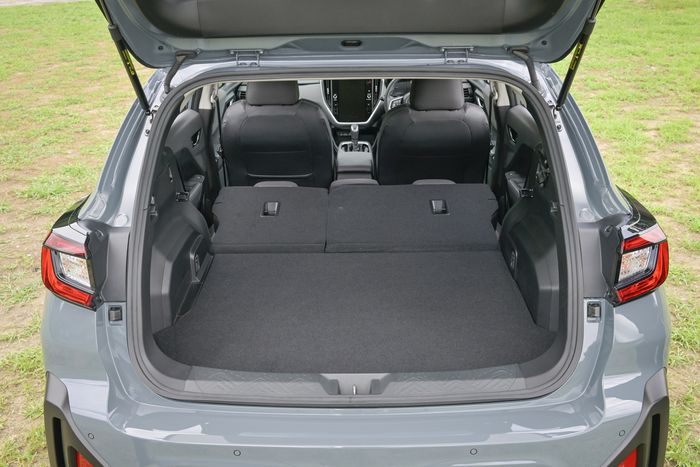
As the successor to the “SUBARU XV”, the vehicle name will be unified globally as “CROSSTREK”. “CROSSTREK”, the new SUV, highlights the unique design of the conventional model and further refines the dynamic texture. In addition to the new generation EyeSight, a monocular wide-angle camera has been introduced as a specification for the first time in Japan, realizing high safety performance. The Subaru Global Platform’s potential for collision safety, already highly rated on the conventional model, was further improved, and the latest knowledge and technologies were applied, including the introduction of a full inner frame structure, expanded use of structural adhesives and improved rigidity of suspension mounting points. It was very tight. In frontal collisions, a collision subframe was added to extend the bumper beam to the outside of the vehicle. In the event of a collision with another vehicle, performance (compatibility) was improved to protect the occupants of the other side, as well as the impact safety of your own vehicle. As with the Legacy Outback, a new frontal impact test called “MPDB (Mobile Progressive Deformable Barrier)” has been introduced to evaluate compatibility assuming an actual frontal impact. It adopts the networked function “SUBARU STARLINK”, which the previous XV did not have.


exterior design

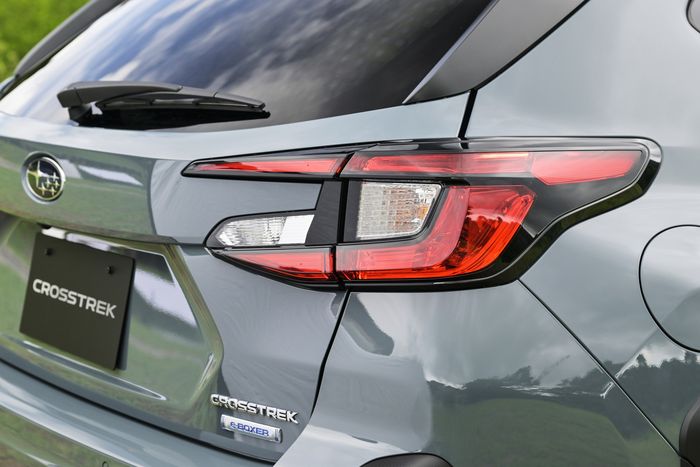
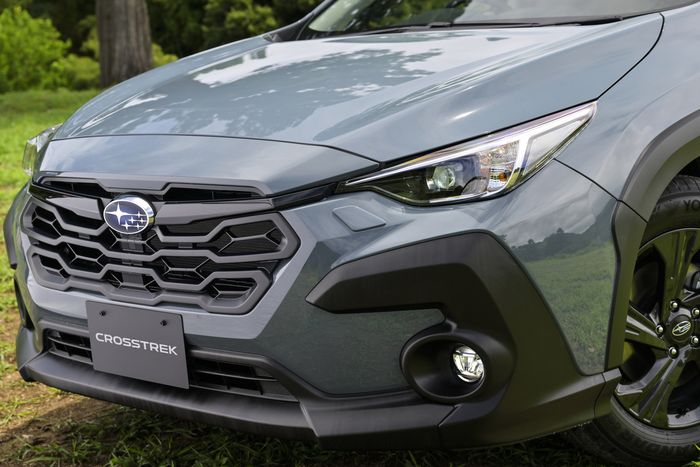
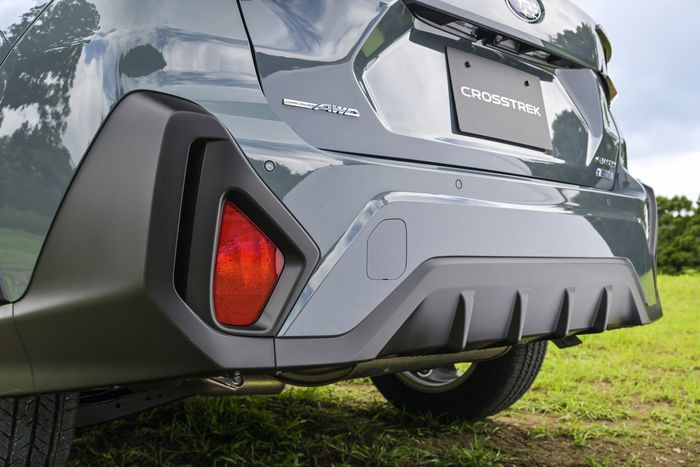
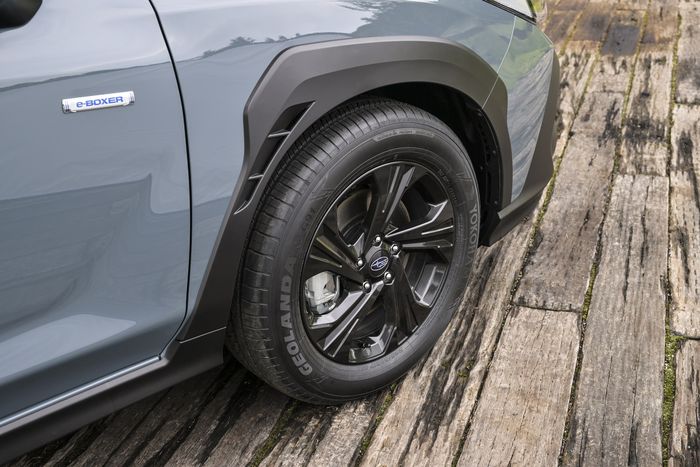
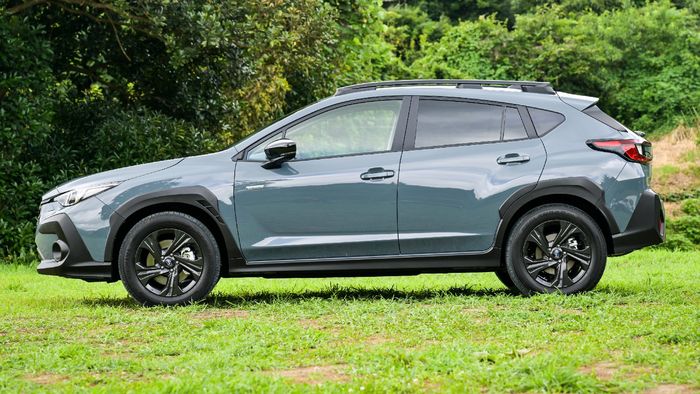
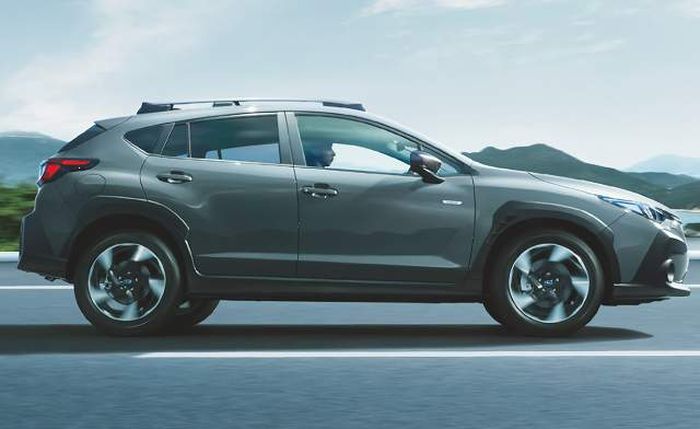
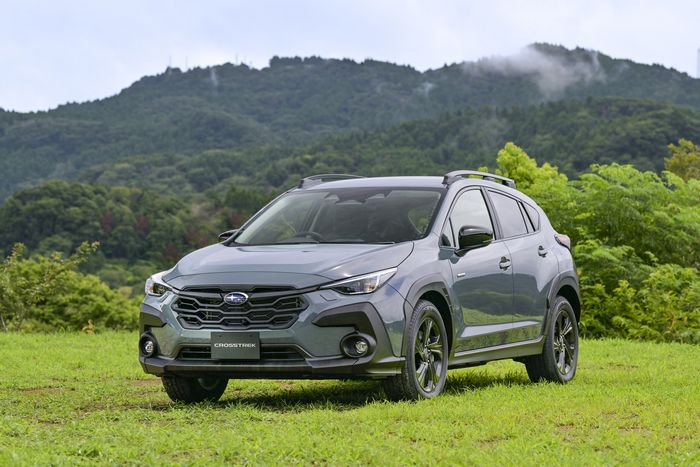
The high position of the bonnet, which gives a feeling of thickness, expresses strength. The sharp front grille and LED headlights give the front fascia a light and fearless look. Subaru’s first use of “full LED high and low beams + LED cornering lights.” In the top trim, 18-inch aluminum wheels are used. A total of nine exterior colors are available, including new Offshore Blue Metallic and Oasis Blue.
interior design

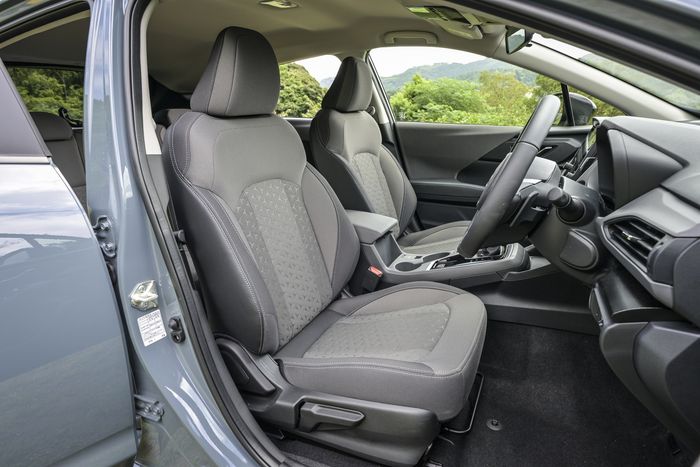
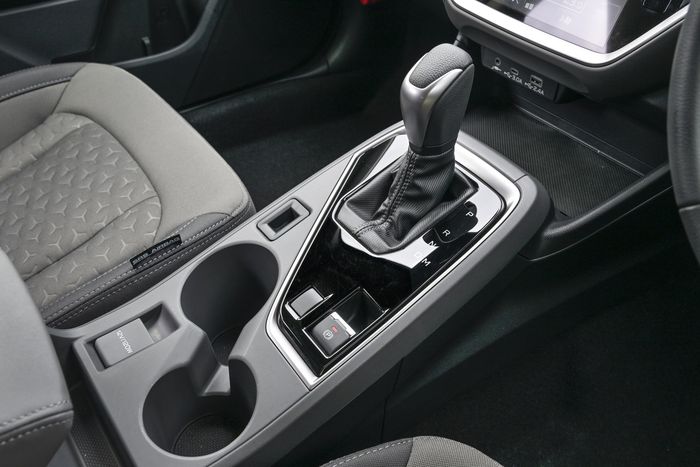
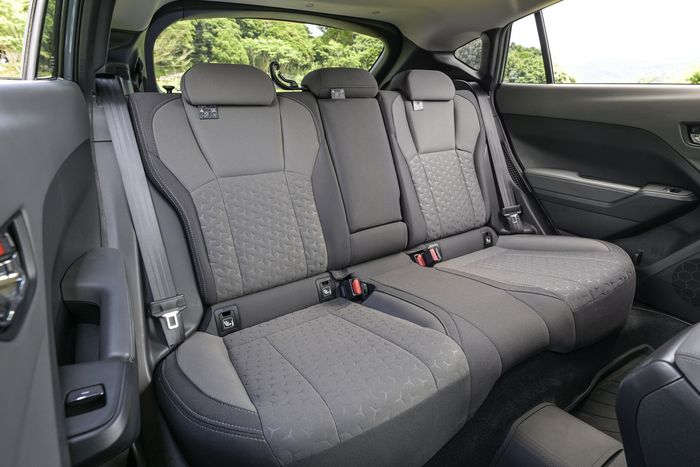
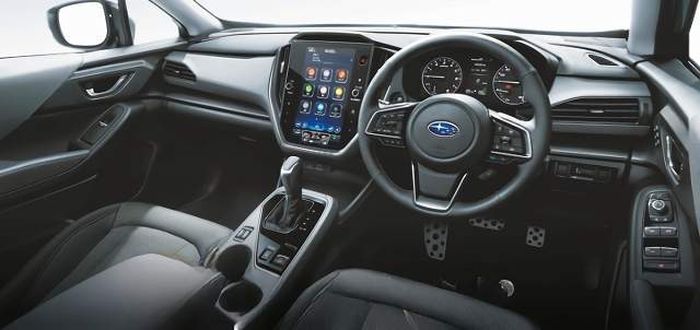
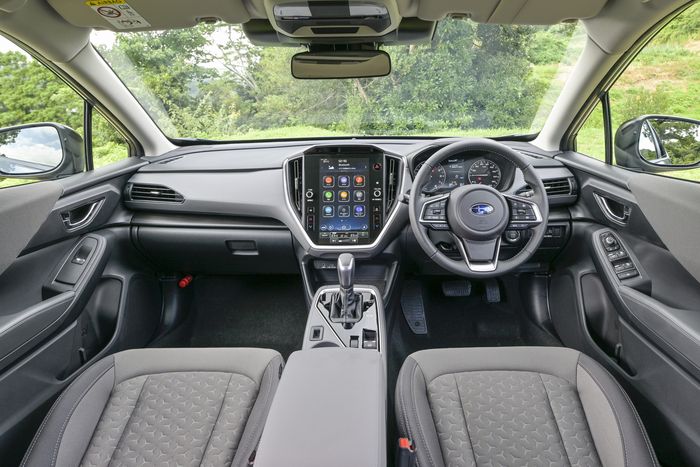
Using a multi-layer structure of different materials, the instrument panel has a simple but expressive design that shows off the texture of each material to its best advantage. The top of the centre console has been raised to give a feeling of envelopment and quality, while improving operability. In addition, the interior has been designed to give you a sense of ease of use by enhancing the storage options with ingenuity. Fabric (silver stitching) for advanced qualities. Tricot fabric (silver stitching) is used in the standard version. A genuine leather seat is also available upon request, installed by the manufacturer. A large 11.6-inch information display in the center of the vehicle has been newly introduced, and the smartphone linking function has been significantly improved. The Digital Multi-View Monitor , a first for Subaru, combines images from four cameras to display a 360-degree view around the vehicle.


Adoption of new-generation EyeSight

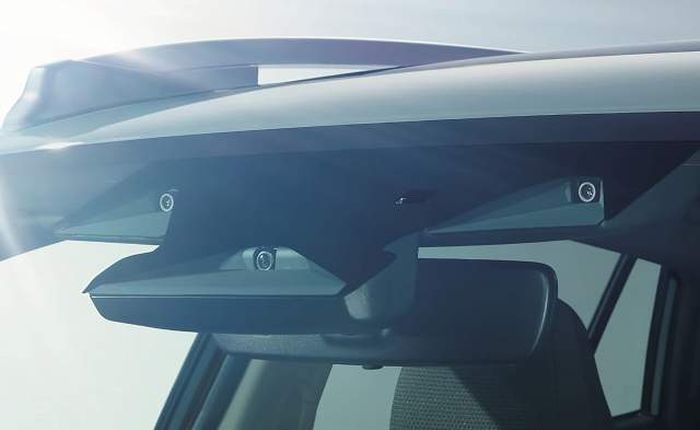
A triple camera (stereo camera unit + wide-angle monocular) is used to improve performance. The viewing angle of the new stereo camera unit has been greatly expanded and is now about twice that of the conventional model. The image recognition software and control software have been improved to enable recognition over a larger and wider range. In addition to the change to a windshield-mounted type, a lens hood has been introduced to prevent accidental contact with the lens. The monocular wide-angle camera (a first for SUBARU in the Japanese market) has a wider angle of view than the new stereo camera and is capable of detecting motorcycles and pedestrians at low speeds. The range of situations that can be handled by the Pre-Crash Brake has been expanded to achieve the best ever performance of the EyeSight system.
About Subaru’s new “Crosstrek” specifications The gasoline model’s 1.6L 4-cylinder DOHC engine used until the XV has been eliminated. 2.0L horizontal 4-cylinder DOHC direct injection “FB20 type” + Motor Assist “e-BOXER” model integration.
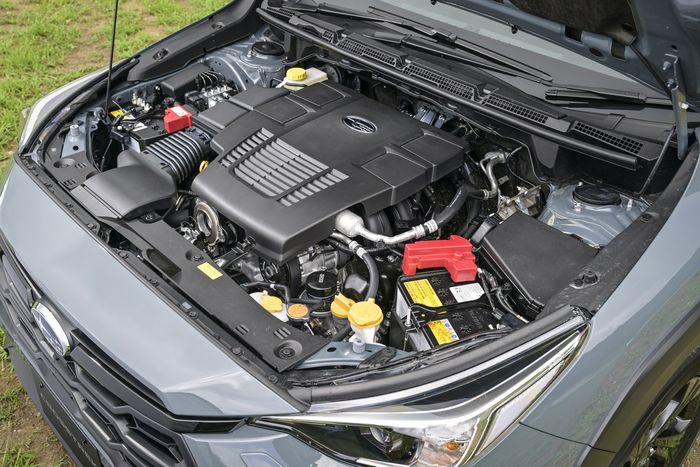
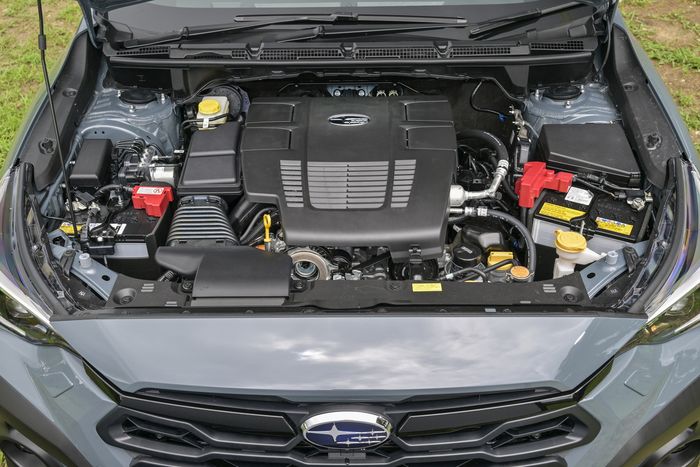


Subaru announces full model change of “XV” as new “Crosstrek” for September 15, 2022Subaru unveiled the Japanese prototype of the new “CROSSTREK” for the first time in the world on September 15, 2022. In the new model, which represents the third generation, the “…


About the new “Vezel” specifications

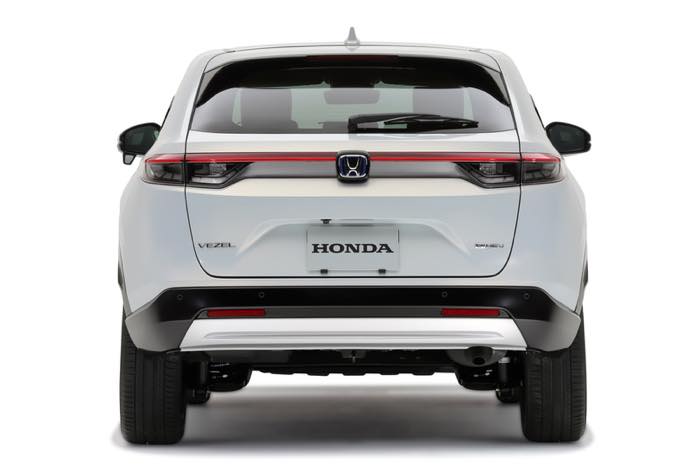
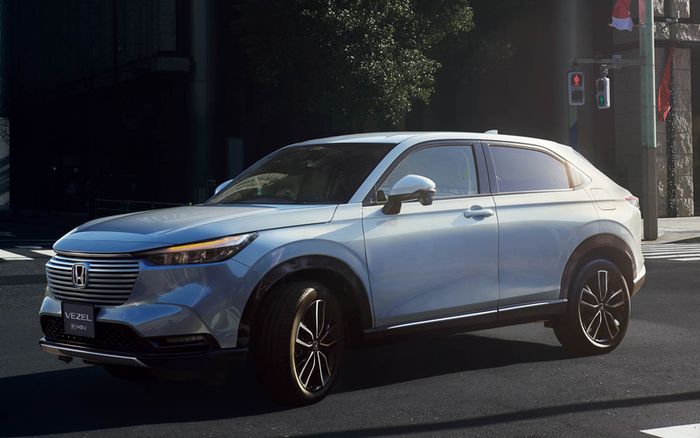
The completely redesigned “Vezel” was developed on the basis of the 4th generation of the new “Fit”. The “mid-tank layout”, based on Honda’s unique M/M concept, was carried over from the previous model. While maintaining a compact, easy-to-handle body size and a variety of seating arrangements, the exterior has evolved to more powerful and beautiful proportions. “LED sequential turn signals” (flowing turn signals) have been introduced for the headlights. Fitted as standard on all Honda SENSING models. As you can see from the photo, the rear has an elegant coupe shape. With a length of 4,340 mm, a width of 1,790 mm, a height of 1,590 mm and a wheelbase of 2,610 mm, it is a size 3 SUV.
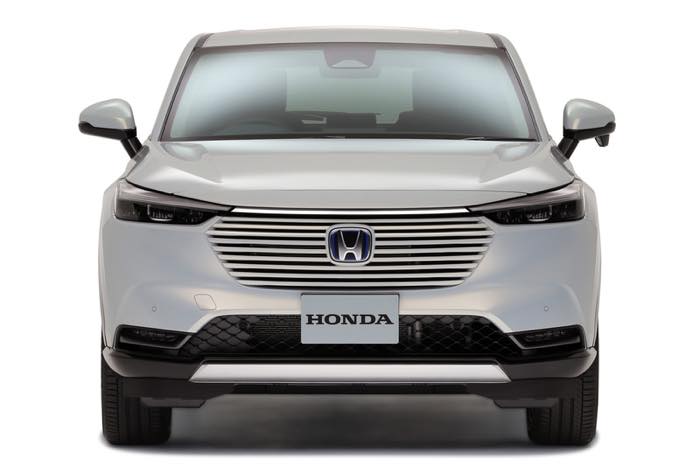
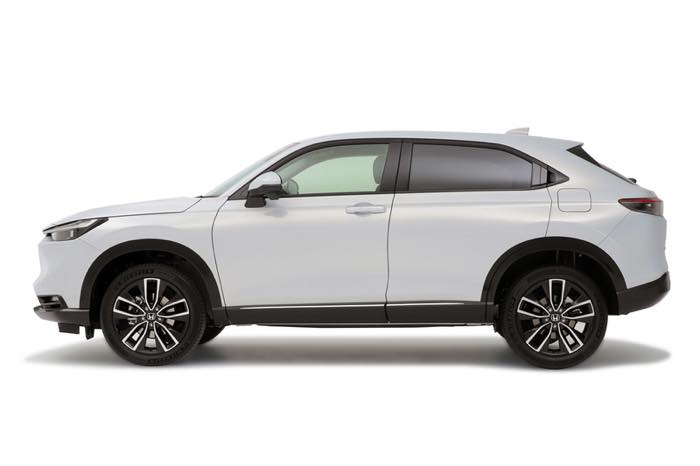
A “panoramic roof (with low-E glass)” is used for the sunroof with a feeling of freedom. The exterior color is two-tone, the decoration is three-tone and the electric tailgate with hands-free access (with closing function) is also available.
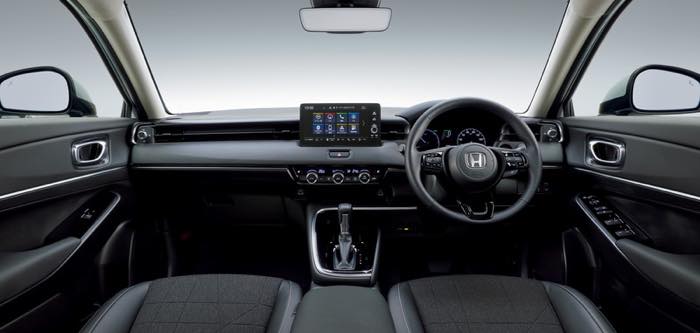
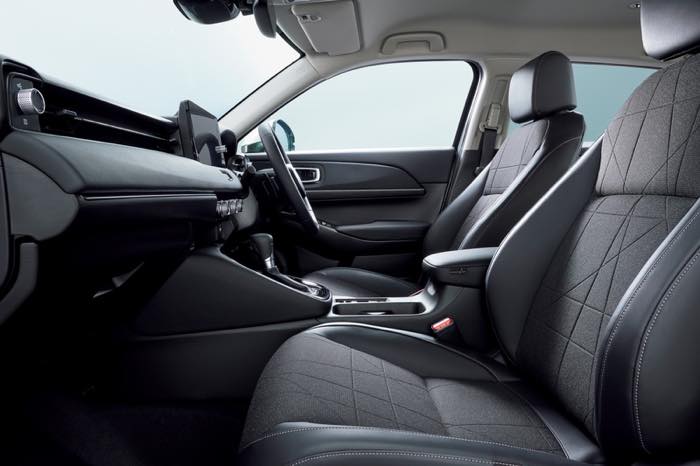
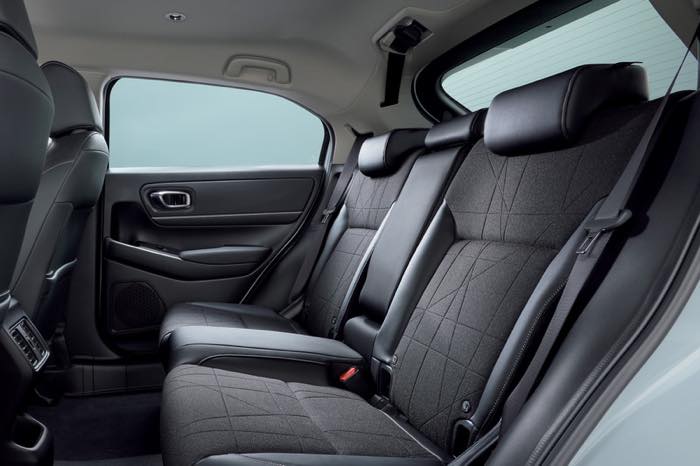
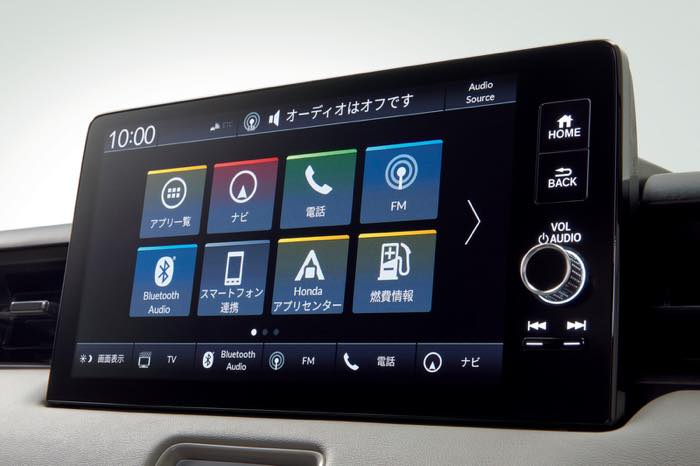
The interior panel is designed with horizontal and straight lines to reduce line-of-sight movement based on the concept of human-machine interface (HMI), arrange the controls along the flow line and improve visibility. The meter adopts the ” 4.2-inch or 7.0-inch instrument cluster ” used in the new ” Accord ” and ” Insight “. The front seats in the interior feature a new-generation body-stabilizing seat that has been redesigned with luxury sedans in mind. Equipped with an “Auto Brake Hold” function, the vehicle will stop even if the brake pedal is released while the vehicle is stationary and will be released when the accelerator pedal is pressed, which is useful in traffic jams. By adopting the “telescopic and tilt steering”, it is possible to drive in the best position from large to small. A parking brake system is available. A 9-inch Honda CONNECT Honda display is used for the central display. Compatible with Apple CarPlay and Android Auto . In-vehicle communication module for Honda vehicles ” Honda CONNECT “Equipped with. ” Honda Digital Key ” and “Honda App Center”, where smartphones replace keys, and “In-car Wi-Fi”, which allows you to acquire in-car data communication capacity and connect to the Internet.
1.5L i-VTEC engine + “i-MMD (e: HEV) of 2-motor hybrid system” is adopted. Fuel consumption in WLTC mode is 24.8 km/L. “e: HEV” can select three different driving modes: NORMAL, SPORT, ECON. In addition, it is possible to select different levels of deceleration when the accelerator pedal is not pressed, with D, B and Deceleration Select.tor.

Click here for information on the new Vezel

Honda New Vezel Full Model Change e:HEV Installed April 23, 2021.

I would like to read together
Honda New Vezel Full Model Change e:HEV Installed April 23, 2021Honda will install a full model change of the Vezel and release it on April 23, 2021, announced on April 22, 2021. It was announced on January 18, 2021 that the design will be released on February 18, 2021. Together teaser…

Subaru New “Crosstrek” VS Honda New “Vezel” Body Size Comparison

The “Crosstrek” is larger, with an overall length of +140 mm, an overall width of +10 mm and an overall height of -10 mm. The Yaris Cross has a wheelbase of +60 mm.
spec New Vezel new crosstrek
full length 4,340mm 4,480mm
Width 1,790mm 1,800mm
Height 1,590mm 1,580mm
Wheelbase 2,610mm 2,670mm
Minimum turning radius 5.3-5.5m 5.4m


Subaru New “Crosstrek” VS Honda New “Vezel” Hybrid Model Comparison

spec New Vezel new crosstrek
engine 1.5L i-VTEC engine
+ new i-MMD
(e:HEV)
2.0L horizontally opposed 4-cylinder DOHC
direct injection engine “FB20 type”
+ motor assist “e-BOXER”
Maximum output 72kW (98ps) /
5,600-6,400rpm
107kW (145ps) /
6,000rpm
Maximum torque 127Nm (13.0kgfm) /
4,500-5,000rpm
188Nm (19.2kgm) /
4,000rpm
motor
output
80kW (109PS) /
3,500-8,000rpm
10kW (13.6ps)
motor
maximum torque
253Nm (25.8kgfm) /
0-3,000rpm
65Nm (6.6kgm)
transmission Electric
continuously variable transmission
CVT (Lineartronic)
Drive system 2WD/4WD AWD
WLTC mode
fuel consumption
24.8km/L (2WD)
22.0km/L (4WD)
15.0km/L (4WD)
Price (10%) 2,658,700 yen –
3,298,900 yen
-Circle

Subaru New “Crosstrek” VS Honda New “Vezel” Safety Technology Comparison

Both of the safety equipment have many functions that exceed their class and support the driver.

system equipment New Vezel new crosstrek
Collision mitigation braking system
Accidental start prevention function
Pedestrian accident mitigation steering
Off-road deviation control function
ACC with traffic jam following function
Lane keeping assist system
Preceding vehicle departure notification function
Sign recognition function
Reverse erroneous start suppression function
automatic high beam
Close-range collision mitigation brake
blind spot monitor

*Research the latest vehicle information Errors may occur as information prior to publication is also included.

Subaru New “Crosstrek” VS Honda New “Vezel” Equipment Comparison

system equipment New Vezel new crosstrek
Autobrake & hold
display audio
multi view camera system
hill start assist
Connected service

*Research the latest vehicle information Errors may occur as information prior to publication is also included.

One last word

The new Vezel is equipped with a hybrid (e:HEV) and has a WLTC fuel efficiency of 24.8 km/L, which is excellent fuel efficiency. As for the price, the Vezel is cheaper to begin with. Since I like the design, I can’t comment on it, but there seems to be no doubt that it will be a competitor to the “Crosstrek”.

Similar Posts

  • |

    Toyota may announce a new Century SUV later this year

    Toyota may announce a new “Century SUV” later this year, as hinted during the unveiling of the new Alphard and Vellfire models. The Century is a luxury chauffeur car, first introduced in 1967 to commemorate the 100th anniversary of Toyota’s founder. The current third-generation Century, launched in 2018, features a luxurious interior and exterior crafted by skilled artisans, including a front emblem of a phoenix that took over a month to carve by hand. While Toyota has not provided any details on the rumored Century SUV, it would mark a significant departure from the traditional sedan design of previous models.

  • |

    A company called T Demand has completed a lowered version of the Toyota Prius

    A company called “T Demand” has completed a lowered version of the Toyota Prius, which they announced on their official website. The Prius has been in production for 25 years and has sold over 5 million units globally. The new model features a sportier look with a lower center of gravity and 19-inch tires. The interior is spacious and designed to reduce the feeling of being cramped. The Prius is available with three different powertrain options, including a hybrid system and plug-in hybrid system. T Demand’s lowered version of the new Prius adds to the car’s sporty appeal.

  • | |

    Suzuki “Jimny” with retro round eyes is now available! What should I aim for when buying a second-hand car?

    “Retro Round-Eyed Suzuki “”Jimny”” is now available! What is the second generation of used Jimny? What are the points to consider when buying?

    Full-fledged off-roader with ladder frame + part-time 4WD
     Suzuki’s light four-wheel drive “”Jimny”” adopts a ladder frame and part-time 4WD system, which is a tradition of cross-country models originating from “”Jeep””. It boasts deep-rooted popularity as a full-fledged off-roader with top-class rough road drivability despite being a light car.

    The retro ruggedness is irresistible! The “”Jimny,”” an authentic four-wheel-drive vehicle popular among girls with its chunky body .

    Retro Round-Eyed 2nd-Generation Jimny

     The Jimny is famous for its long model cycle.

     It was born in 1970 by diverting the engine and transmission for the “”Carryy”” light truck of the time and fitting them into the light standards of the time.

     The first generation lasted 11 years from 1970 to 1981, the second generation 17 years from 1981 to 1998, and the third generation 20 years from 1998 to 2018.

     The fact that it is an extremely long-selling model probably contributes to a sense of stability and security for Jimny fans.

     The current Jimny (4th generation), which was introduced in 2018, returns to its roots, adopting a straight line body and round headlights that are typical of XC vehicles.

     The current model (4th generation), however, has evolved into a model that everyone can enjoy riding in comfort and safety, with the inclusion of Suzuki Safety Support (optional for some grades), a package of advanced safety equipment that includes a camera and radar-based “”Collision Damage Mitigation Braking”” and “”Accidental Movement Control.

     The recent outdoor activity boom has been a tailwind for Suzuki, and at the time of its debut, orders exceeded 15,000 units, compared to the monthly sales target of 3,000 units, and its popularity and attention soared.

     The retro-modern design that combines ruggedness and charm is popular among women, and has even created a new trend, with female Jimny owners being referred to as “”Jimny girls.

     However, due to the high production volume and the global shortage of semiconductors, delivery of new Jimny models is currently being delayed. As a result, used car prices have skyrocketed, and even with a mileage of 30,000 km, the price of a used car is almost the same as the price of a new car.

     In addition, used car prices of previous Jimny models are also gradually rising, with the popularity of the second-generation model, which was discontinued more than 20 years ago, said to be on a resurgence.

     The second-generation Jimny, which was introduced in 1981, was designed with on-road performance in mind, while continuing the tradition of a ladder frame, part-time 4WD, and leaf rigid design.

     The 17-year history of the second-generation Jimny can be broadly divided into four periods.

     First, the first period (SJ30) from 1981 to 1986, and the 550cc period from 1986 to 1990 (JA71), when a turbo engine (and intercooler-equipped models in 1987) was added.

     The third period (JA11), from 1990 to 1995, saw the expansion of the light car standard and the change to a 660cc engine, and the fourth period (JA12/22), from 1995 to 1998, saw the introduction of standardized door mirrors and improved comfort for passenger use.

     As expected, the first and second periods of the early 550 cc models have decreased in circulation as used cars, but the third and later periods, especially the fourth period, are still available in significant numbers today.

     Even the last model of the second generation has been out of production for more than 20 years, making it a bit like a classic car, but what is behind its popularity even today?

     According to Mr. T, an industry insider familiar with the XC market, the appeal of the 2nd generation is that it can still be used as a tool.

    The second-generation models are good because of their balance between cheapness and antiquity,”” he says. Especially in the 4th generation, with its 660 cc engine, a 3-speed AT and power steering as standard, the specifications have been improved to the point where it can be used for city driving as well.

     Also, while the current model (4th generation) continues to command high prices, the 2nd generation used cars are inexpensive, starting at 500,000 yen, and because they are old, you don’t have to worry too much about scratching them while driving off-road.

     The second-generation model is also characterized by its air conditioning and power steering, which make it much easier to drive. 64-horsepower turbo engine and lightweight (910 kg) body make it one of the most capable off-road vehicles on the market today.

     The low base price is also the reason why many used cars are boldly customized, and the popularity of these cars is also due to their affordability.

    The recent boom in retro designs is also contributing to the popularity of the second generation.

     The simple interior with the minimum necessary equipment is perfect for hard-core enthusiasts who like to personalize their cars or who don’t like unnecessary decoration.

    Next: We recommend the JA12 or JA22, which are in their fourth generation.

    The retro round-eyed Suzuki Jimny is hot right now! What to look for in a used second-generation model? What are the points to consider when buying?

    Recommendation: JA12 or JA22 4th generation models
     The popularity of the 2nd generation Jimny is so strong that even in the customization of the current 4th generation model, there are many parts with a design reminiscent of the 2nd generation. So which model year of the 2nd generation Jimny is actually the best to buy?

    Suzuki 2nd generation “”Jimny”” (1995/JA22)

    The second generation Jimny is also a very long-selling model, so specifications vary considerably depending on the year, but we think the JA12/JA22, the fourth and final model (1995-1998), is the best choice.

     From this model, the suspension was changed from leaf rigid to rigid with coil springs, and the ride quality was considerably improved.

     Also, the engine has been increased to 64 hp, so there should be less chance of feeling a lack of power.

     However, since the last model of the second generation is already about 25 years old, there is no denying the possibility of sagging and frequent breakdowns due to age-related deterioration.

    As a vehicle chosen by people who drive off-road, the body must be carefully checked for scratches and rust.

     It is also necessary to check if the hoses inside the engine and the rubber products used as security parts are still usable.

     However, one of the reasons why we recommend this second generation is that there is a wide variety of aftermarket parts that can cover this deterioration. You can also choose a used car that has already been customized.

     You can buy a used car with lift-up, larger tires, short bumpers, and other off-roader-like features at a great price, but before you buy, check how it has been customized and whether it is inspection-compliant.

    The JA12 and JA22 models have different turbocharged engines, although it is difficult to tell the difference from the outside.

     The JA12 is a SOHC engine that is powerful at low rpm and suitable for off-road driving, but it is not good at high rpm driving such as high-speed cruising.

     On the other hand, the JA22 DOHC turbo engine is a high-revving engine that can handle urban driving and high-speed cruising, but it is said to lack power at low speeds and is often troublesome.

     It is advisable to consult with a store that can properly maintain this type of engine before purchasing a car.

     However, considering the fact that the car is almost 25 years old, many of them are MT (5-speed in the 4th generation models), and many of them have been customized, it is recommended to prepare 200,000-300,000 yen for the initial maintenance cost.

    The 3-speed AT is not a problem in the city, but the engine speed will be high when cruising at high speeds. In this case, you need to drive with a manual transmission to lower the RPMs as much as possible, or ride with the expectation that it will be noisy at high speeds.

    * * * *

     The 2nd generation Jimny can be fully enjoyed as an off-roader even after more than 20 years have passed, but its strengths and weaknesses are clearly divided, such as inadequate comfort equipment due to its age and its weakness at high speeds, so some people may regret choosing it only because it is cheap.

     The key to choosing the 2nd generation Jimny is whether you can ride it with an open mind or not.”

  • | |

    Toyota SW4 SRX Platinum: 7 Powerful Luxury Features in an 11 Million Yen SUV

    Toyota SW4 SRX Platinum 2023.12.14(Toyota SW4) by RAI STAR   Toyota SW4 SRX Platinum: A Powerful Luxury SUV for Brazil Toyota SW4 SRX Platinum is Toyota Brazil’s latest premium SUV addition, combining bold styling, three-row practicality, advanced safety, and diesel-powered performance in a package aimed at buyers who want both utility and refinement. Revealed on…

  • |

    Super cool Toyota’s Alphard a full-fledged SUV

    Super cool! Toyota’s “Alphard,” a “full-fledged SUV,” has been praised! Almost DIY “off-road minivan” is now the talk of the town!

    Toyota’s “Alphard” Converted into an SUV Receives Praise
     The “Tokyo Auto Salon 2023,” a custom car festival held in January 2023, showcased a large number of elaborate custom cars.

    I have never seen such a “luxury minivan” before! Toyota’s “Alphard,” now a “full-fledged SUV”

     At the Tokyo Auto Salon, a custom “crossover minivan” vehicle, which could also be called an “Agephard,” was exhibited. This car was exhibited.

     This vehicle has attracted a variety of comments on social networking sites.

    A custom car that could also be called an “Agephado,” a DIY conversion of Toyota’s luxury minivan “Alphard” into a full-fledged SUV.

     The Alphard is Toyota’s world-class luxury minivan. The current model is the third generation developed under the concept of a “large-space luxury saloon,” which was introduced in 2015.

     The model that became the ALPHARD is also based on this third generation. Not only is the vehicle extremely lifted, but it is also equipped with a bull bar, giving it a full-fledged SUV look.

     According to the owner, Tom, the vehicle height has been increased by about 8 inches (203mm) including the lift-up kit and tires. The tires are the same size as those used on the Toyota Land Cruiser Prado, a full-fledged cross-country four-wheel drive vehicle, and are large off-road tires.

     At the front, the factory bumper has been cut and a bull bar modified from one for the Toyota Hiace has been installed, and skid plates for the Toyota Hilux have been diverted.

     On the sides, door mirror covers and over fenders have been installed and chipping paint has been applied, and a “roof carrier,” a standard item for off-road vehicles, has been installed on the roof to further enhance the SUV look.

     The rear of the vehicle is equipped with rear tires similar to those on a full-scale cross-country four-wheel drive vehicle such as a RANCL, and a ladder is also installed, giving the impression that it is not a minivan at all.

     The cost of the modification, which is of interest, was approximately 1,000,000 yen, which is only the cost of parts, since it was installed as a DIY project.

    The cost of the modification is said to be about 1 million yen.

     Although the “Agephado” has been heavily customized, it has of course passed vehicle inspections and is officially certified.

     Various comments have been made about this car on SNS and other social networking sites.

     The most common comments were “Cool! The most common comments on social networking sites were, “It’s cool!

     Some people were surprised at the fact that the car was self-made, saying, “I didn’t know you could go this far with a DIY project.

     Some also commented that the practicality of the vehicle seemed surprisingly high, saying, “It might come in handy when it snows a lot,” and “It’s nice to have an SUV with sliding doors.

     Various comments were gathered about the ALPHARD, some of which reminded people of the Mitsubishi “Delica” in its “SUV + minivan” style, such as “It reminds me of the Delica.

     We will keep an eye on Tom’s future plans for the Alphard, which he customized as a DIY project.

  • | | |

    The affected models are the hybrid versions of Rocky and Raize

    Daihatsu has revealed that there were irregularities in the certification process for the side collision test for its “Rocky” and Toyota’s “Raize” hybrid models, which Daihatsu supplies to Toyota as OEM, and a third-party committee will investigate the cause. The affected models are the hybrid versions of Rocky and Raize, which were launched in November 2021, and as of May 18, 2023, 22,329 Rocky and 55,111 Raize had been sold. The irregularity was that while the left side of the side collision test using a pole was conducted under the supervision of a certification agency, the right side was submitted with the same data as the left side, which was a test conducted internally. Daihatsu had previously announced irregularities in the certification application for the side collision test of four models, totaling 88,123 units for overseas markets on April 28, and this was discovered during an internal inspection. Daihatsu commented that this irregularity is not socially acceptable as it is related to the safety of cars and that it is believed to have occurred because management did not support the production site and compliance with laws and regulations and the development of a healthy corporate culture were neglected.

Leave a Reply