

Similar Posts
Honda’s new SUV is “too stylish!” Compare the new “ZR-V” released this fall with the Toyota “Corolla Cross” .
“Honda’s New SUV is “”Too Osha! New ZR-V to be released this fall compared to Toyota’s Corolla Cross
Despite their rivalry, the ZR-V and Corolla Cross have contrasting parts
Honda has previewed its new ZR-V SUV for July 2022. The most likely candidate for the rival is Toyota’s compact SUV, the Corolla Cross.
We will compare the two models, which are expected to be fiercely competitive, through their interior and exterior designs and currently disclosed specifications.Honda’s new “”ZR-V”” to be released in the fall of 2022.
(Top) Honda’s new ZR-V SUV [scheduled for release in fall 2022] / (Bottom) Toyota’s Corolla Cross
The new ZR-V has only just begun to be shown to the public in advance, and only limited interior and exterior photos and specifications have been revealed.
However, the new HR-V (2023 model year), which is a sibling of the ZR-V with some design changes, has already gone on sale in North America, and details of its body size and interior/exterior design have also been disclosed.
Let’s compare the new HR-V with the Corolla Cross, along with some information about the new HR-V.
Let’s start with the car’s body size.
Since official specifications for the new ZR-V have not yet been released, here are the body sizes for the North American version (HR-V): overall length 179.8 inches (approx. 4567 mm) x overall width 72.4 inches (approx. 1839 mm) x overall height 63.4 inches (approx. 1610 mm) to 63.8 inches (approx. 1620 mm), overall wheelbase of 104.5 inches (approx. 2654 mm).
The body size of the Corolla Cross is 4490 mm (length) x 1825 mm (width) x 1620 mm (wheelbase) x 2640 mm (wheelbase), and although the ZR-V is slightly larger than the Corolla Cross, they are almost within the margin of error.
Incidentally, Honda claims that the new ZR-V (HR-V) fills a new position between the compact SUV “”Vezel”” (overall length 4330 mm x overall width 1790 mm x 1590 mm) and the medium SUV “”CR-V”” (overall length 4605 mm x overall width 1855 mm x 1680 mm), which has been expanding in size. The new model is said to be in a new position.
Let’s take a look at the exterior design from the front.
The new ZR-V is characterized by a strong individuality in terms of the luxuriousness and power of the front grille. The combination of the horizontal headlights and the low, vertically separated front grille give it a unique design.
In contrast, the Corolla Cross has a sleek design with a front mask common to the Corolla family, including the sedan, wagon (Touring), and hatchback (Sport), but with the added strength of an SUV.
The body side of the ZR-V has a voluminous and sleek form, while the Corolla Cross has a straight line and a square cabin space that gives the impression of a spacious interior from the outside.
In fact, the Corolla Cross has a larger interior and cargo space than the other Corolla series, and is characterized by its high level of practicality.
As for the ZR-V, it appears to have been designed to combine a sleek form and roofline with interior space by setting the rear seat seating position lower.
Thus, although ZR-V and Corolla Cross are rivals in the same category, they seem to have contrasting exterior designs.
Honda’s New SUV is “”Too Osha!”” New ZR-V to be released this fall compared to Toyota’s Corolla Cross
The ZR-V’s interior foreshadows the high quality of the ZR-V
Let’s now compare the interiors of the new ZR-V and the Corolla Cross.The ZR-V Japanese version released in July 2022 shows only images around the instrument panel, but in North America, seats and other parts are also introduced. While the instrument panel has a simple shape, the photos also show the precision and high quality of the instrument panel.
Honda explains that the horizontally based design gives the impression of spaciousness and enhances the sense of unity between the driver and the car, as well as a good view.
The seats are large in size with a firm shape that suggests comfort, as seen in the North American-spec model. Stylish materials are also used for the seat fabric.
The Corolla Cross has a functionality-oriented design that shares similarities with other Corolla series models, such as the instrument panel layout centered around a large 9-inch center monitor, sporty-shaped seats, and chic black interior colors.
However, a unique feature not found in other Corolla series models is the optional “”panorama roof. Almost the entire surface of the roof is covered with glass, providing a high sense of freedom. There is also a sunshade that opens and closes electrically, so there are no problems even in the middle of summer when the weather is fine.
In this way, the interior of the new ZR-V seems to have a high quality feel, in contrast to the Corolla Cross, which emphasizes functionality.
Honda’s new ZR-V SUV [scheduled for release in fall 2022].
What about performance?
The ZR-V has the same lineup as the new Civic, with two types of engines: the Sports e:HEV, which combines a 2-liter gasoline direct injection engine with a two-motor hybrid system, and a 1.5-liter turbo engine.
With “”exhilarating”” as its keyword, the Civic appeals for high performance and a pleasant driving experience, and the ZR-V is expected to have similar performance.
Both are available in front-wheel drive (FF) and four-wheel drive (4WD).
The Corolla Cross will be available in two versions: a 1.8-liter gasoline engine version and a hybrid version. According to Toyota, 80% of Corolla Cross users choose the hybrid version.
Perhaps because of this, 4WD (E-Four) is available only on the hybrid model, which is different from the ZR-V.
* * *
The new ZR-V is scheduled to go on pre-order in September 2022, with its official launch scheduled for this fall; new information on performance and other aspects may be released after September.”
- autonews | Honda CR-V | kuruma
Revolutionary Comeback Honda CR-V e:FCEV Set to Dominate the SUV Market in 2024
ByPawaniHonda’s Amazing SUV is set to make a comeback in the summer of 2024 after about 2 years since its last sale in Japan. The new model, the CR-V e:FCEV, will be reintroduced as a Fuel Cell Electric Vehicle (FCEV) variant. This revival brings anticipation for potential additions like gasoline engine variants to the lineup
The CR-V e:FCEV is designed with a fuel cell unit powered by hydrogen, a technology that Honda has successfully commercialized with the Clarity FUEL CELL. This new model offers an extended range with a single hydrogen fill and the flexibility to run on the motor using a charged battery, making it an attractive option as a next-generation vehicle.
Honda announced the production start of the new CR-V e:FCEV at the Performance Manufacturing Center (PMC) in Ohio, USA, on June 6, 2024. This facility, known for its expertise in producing specialty vehicles like the second-generation NSX, ensures high-quality production for global markets.
While the CR-V e:FCEV is scheduled for release in the Japanese market in 2024, details about other power unit variants remain undisclosed. Honda’s efforts to enhance its SUV lineup with models like ZR-V,Vezel, and WR-V demonstrate a commitment to diversifying its offerings.
The CR-V, known for its debut in 1995 as Honda’s midsize SUV, has garnered popularity not only in Japan but also in markets like North America, Europe, China, and other Asian countries. Despite its global success, the CR-V has seen changes over generations, gradually moving away from the size preferences of the Japanese market.
In Japan, the introduction of the new ZR-V model has effectively replaced the CR-V in the lineup. The ZR-V, based on the Civic’s chassis, represents a return to the original concept of the first-generation CR-V. This strategic move aligns with Honda’s goal of catering to evolving market demands.
The upcoming CR-V e:FCEV launch signifies a significant milestone for Honda in Japan, marking its second revival in two years. The model’s production at the PMC in Ohio highlights Honda’s dedication to innovation and sustainability in its vehicle manufacturing processes.
As Honda continues to expand its SUV offerings globally, there is speculation about the potential introduction of right-hand drive models for the Japanese market. The anticipation for models like the CR-V e:HEV RS, with its sporty design and advanced features, adds excitement to the future of Honda’s SUV lineup.
With a focus on safety and cutting-edge technology like Honda SENSING, the new CR-V models aim to deliver a premium driving experience. The inclusion of features like a multi-view camera system and a touch panel infotainment system reflects Honda’s commitment to providing advanced functionalities across its lineup.
In conclusion, the resurgence of the CR-V in Japan signifies Honda’s dedication to meeting diverse market needs and staying ahead in the competitive SUV segment. With a blend of innovation, sustainability, and performance, the new CR-V models are poised to make a significant impact in the automotive industry.
Honda to revive the new Odyssey to compete with the “Alphard” Will the new “Elysion” for China be introduced domestically next year .
“Honda to Revive New Odyssey to Compete with Alphard; New Elysion for China to be Introduced in Japan in 2023
Alphard”” is being considered for introduction in Japan? Considering Introducing the New “”Elysion”” in Japan?
Honda has terminated production of its high-end Odyssey minivan at the end of December 2021, following the closure of its Saitama Works Sayama plant. With Toyota dominating the popularity of the high-end minivan “”Alphard,”” there have been many requests for Honda to revive the model.
The “”Elysion,”” a higher-end model of the Odyssey that continues to be produced overseas, may be introduced to Japan as the new Odyssey in 2023.“”More luxurious than the Alphard! Introduction in Japan is imminent! View 53 interior and exterior photos of Honda’s top-of-the-line minivan, the Elysion.
Honda’s new Elysion luxury minivan, minor-changed in China in December 2021 [Chinese specifications].
The Odyssey is a high-end model that occupies a higher position than the Freed and Step Wagon in Honda’s three-row minivan lineup.
It is a well-established brand with a history of more than 25 years since the first model in 1994, and the current model, introduced in 2014, is the fifth generation.
Although a full six years have passed since its debut, it was just refreshed in November 2020 with a fairly major minor change that redesigned the interior and exterior.
In the following year of 2021, 21,148 units (average monthly sales of approximately 1762 units) were sold, and the sudden announcement of the end of production was met with lamentation from many Honda fans, as the car had been enjoying stable popularity.
As of the end of July 2022, the Odyssey new car introduction page still remains on Honda’s official website.
However, the page still says, “”*Some types and colors may not be available. Please contact the sales company for details.”” It seems that only vehicles produced during 2021 are being sold from stock.
Of course, Honda is also taking measures to end Odyssey production.
The Step Wagon, a medium-class minivan that will be fully remodeled in May 2022, will be offered in the “”Spada Premium Line,”” a high-end version with a chrome exterior and higher quality seat materials to accommodate Odyssey replacement users.
However, according to Honda officials, there are many requests from users to revive the high-end minivan.
Therefore, it appears that Honda is secretly considering the introduction of a high-end minivan once again.
The popularity of the Toyota Alphard, a high-end minivan, is also said to be a driving force behind this.
The current Odyssey (Odyssey) is actually a high-end minivan.
In fact, a model with almost the same specifications as the current Odyssey (minor-changed version) is still being produced at a local joint venture company in China, Guangqi Honda Automobile (Guangzhou, Guangdong Province).
In addition, the Elysion, with more advanced interior and exterior specifications, is also produced at the joint venture Dongfeng Honda Automobile (Wuhan City, Hubei Province).
The Elysion was once sold in Japan from 2004 to 2013 as a top-end minivan that ranked above the Odyssey, but with the introduction of the current Odyssey, it is no longer in production in Japan.
The Chinese version of the Elysion, on the other hand, has just undergone a minor change in December 2021.
With an overall length of 4951 mm x width of 1842 mm x height of 1711 mm and a wheelbase of 2900 mm, the 7-seat version has a 2-liter Atkinson cycle gasoline engine combined with a highly efficient and powerful 2-motor hybrid system as its powertrain.
The interior layout follows the specifications of the current Odyssey, which underwent minor changes in 2020, and includes a 7-inch full LCD instrument panel, a large 10.1-inch center display, and gesture control power sliding doors.
The Step Wagon also offers more luxurious seat materials than the Odyssey, and an electric double sunroof, which was not available in Japan.
Now that a higher grade is available for the Step Wagon, it would be more impactful to launch the Elysion with increased luxury as a new model rather than reintroducing the Odyssey with the same specifications as before.
At this point, it is unclear whether the right-hand-drive version will be produced in China and imported, or whether it will be produced again at Honda’s production facilities in Japan. In any case, it seems very likely that the new Elysion will be introduced in Japan.
As for the naming, it is being renamed the Odyssey, which has been successful in Japan, and is being renamed the “”revival of Honda’s high-end minivan. We expect the new model to be introduced in 2023.”
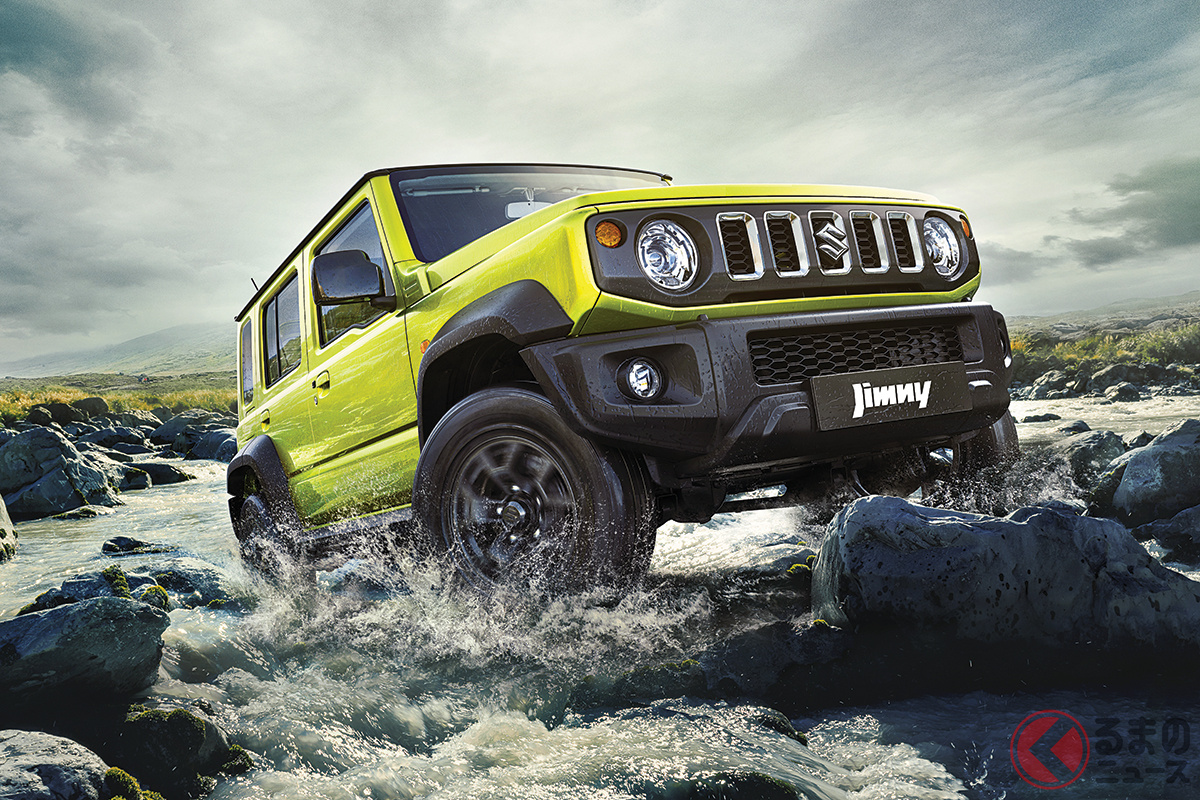
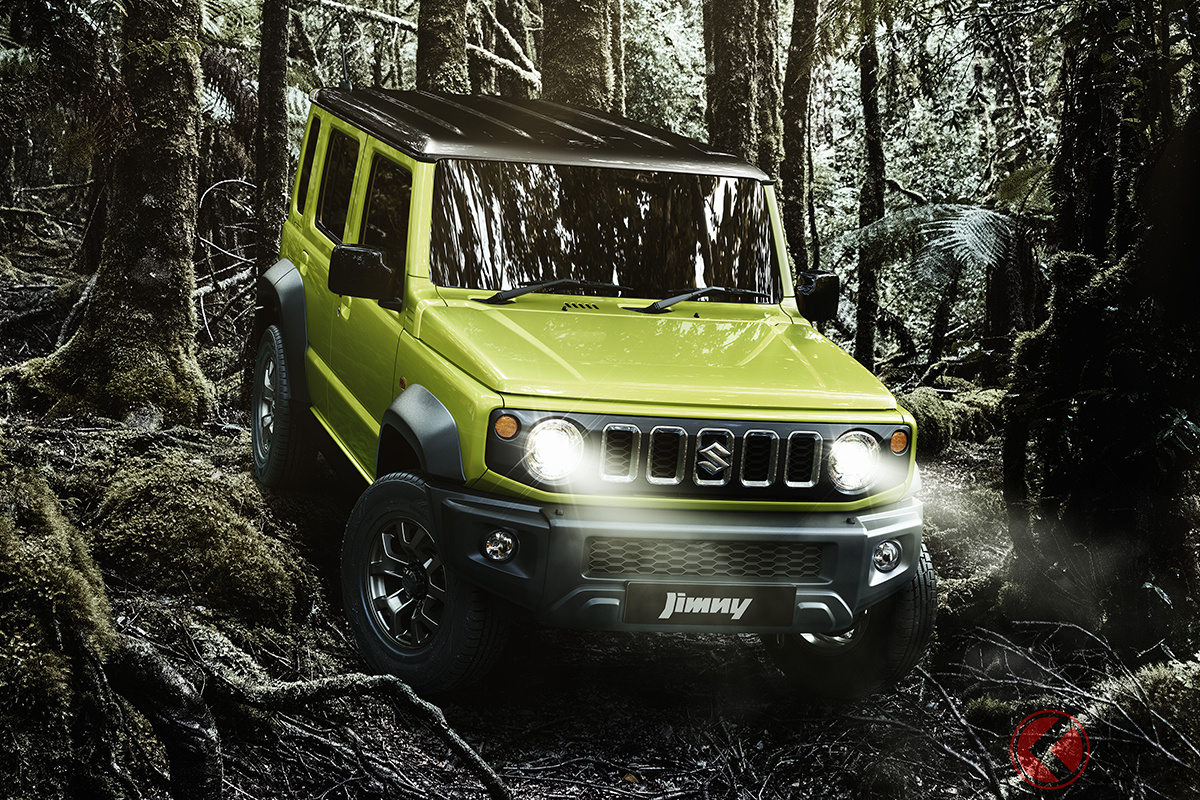
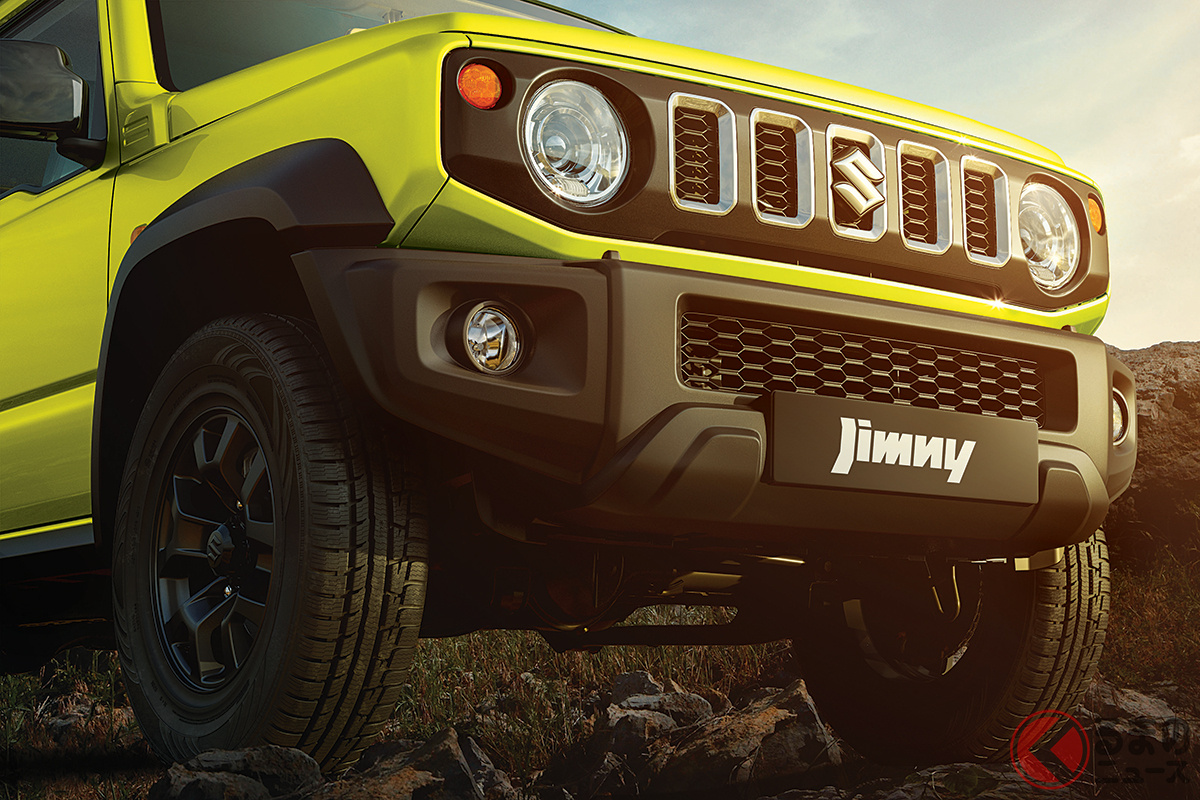
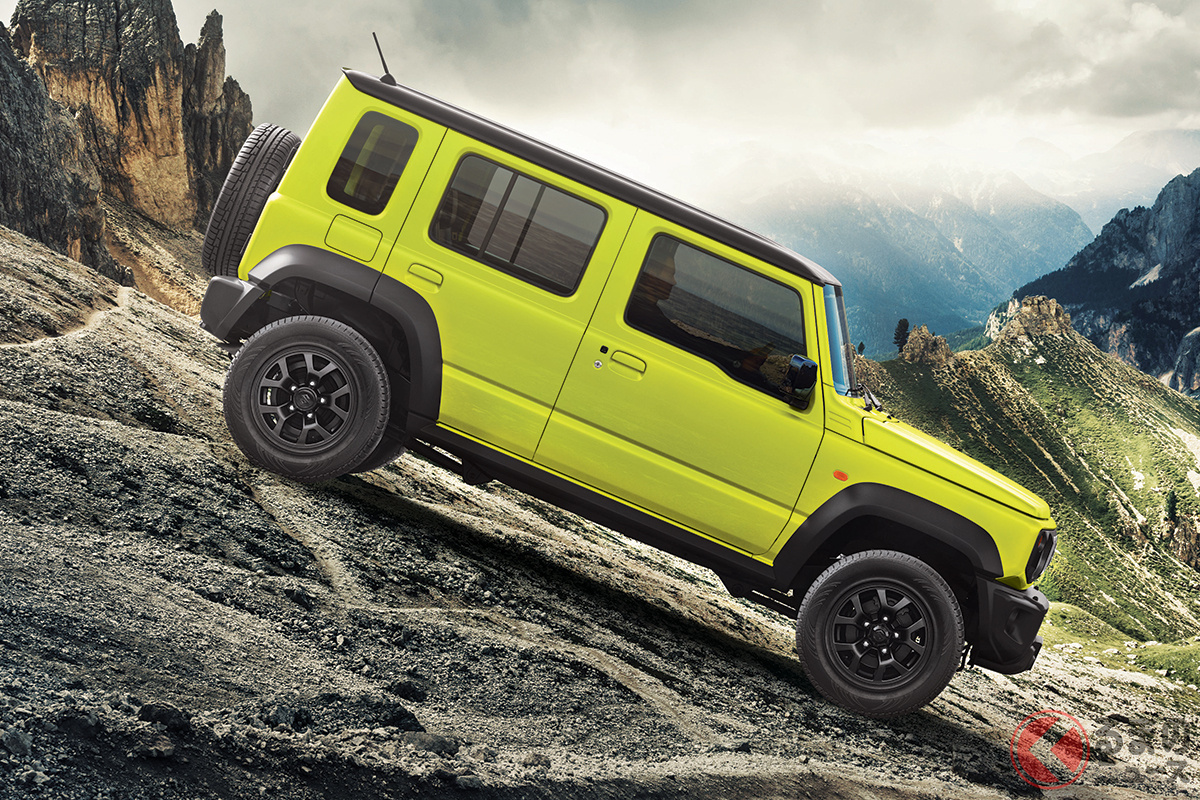
A surprising collaboration between Suzuki’s best-selling cars has resulted in a custom car called Jimny
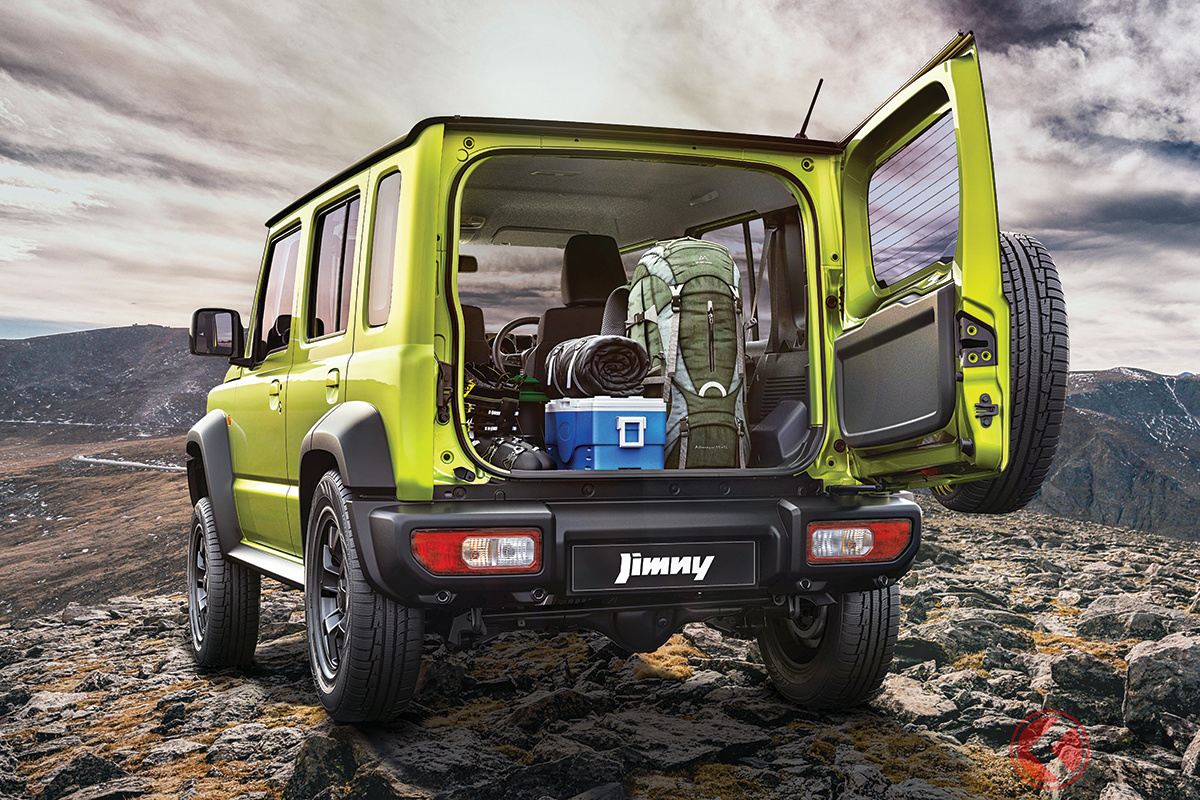
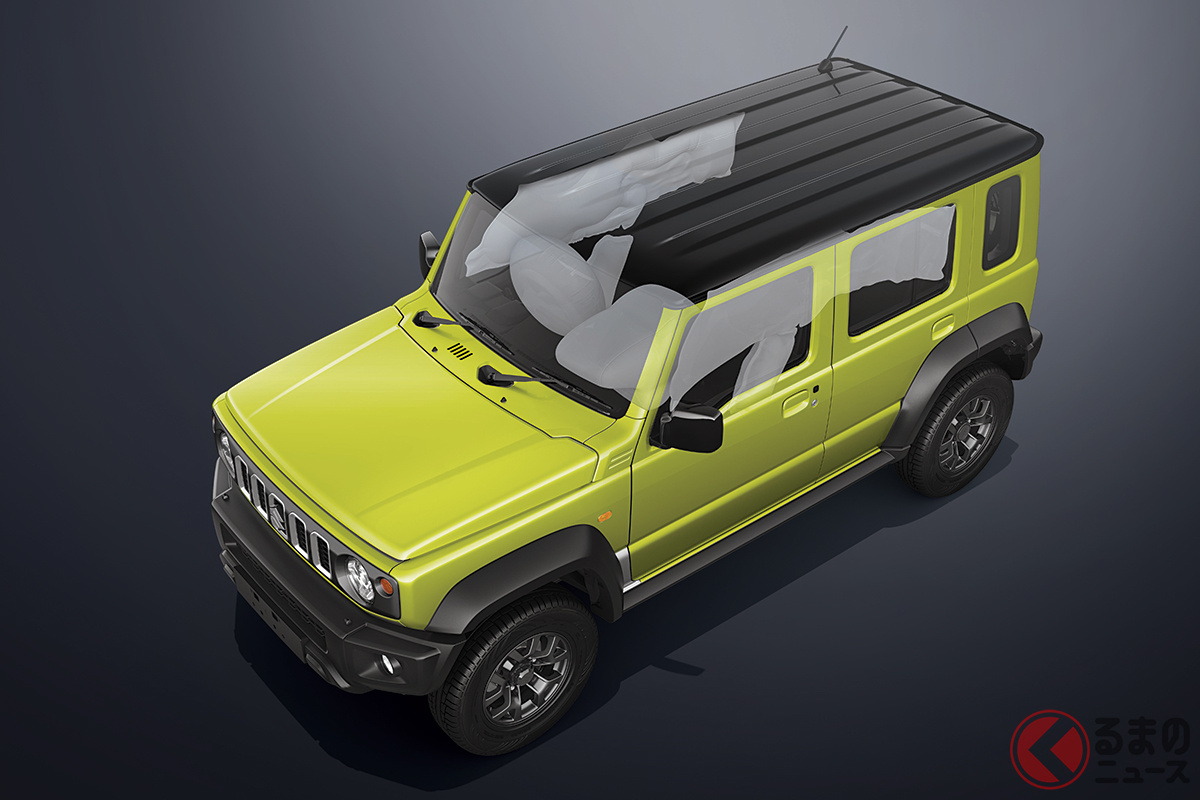
A surprising collaboration between Suzuki’s best-selling cars has resulted in a custom car called “Jimny”, based on the Suzuki Every van but with a Jimny-inspired front face. T-Style Auto Sales, a car shop in Yokohama, Japan, showcased the car at an outdoor event called “Fieldstyle Japan 2023”. The car features original parts and a lifted suspension, as well as a tough-looking bull bar, skid plate, and roof rack. The interior is spacious enough for sleeping with a flat seat, and the demo car even has a bed kit for full car camping capabilities. The complete car costs ¥4.7 million.
- autonews | kuruma | Nissan other | Skyline
Nissan’s Shocking Move 4 Beloved Car Names Disappear, Leaving Fans Dismayed
The Disappearance of Nissan’s Iconic Car Names: A Reflection on the Brand’s Strategy In the 1950s and 1960s, Nissan introduced car names like “Sunny” and “Bluebird,” which became household names and played a significant role in the company’s success. However, over time, these iconic names vanished from the automotive scene, leaving many wondering why Nissan chose to abandon such widely recognized and beloved brands.
The emergence of privately-owned cars in Japan was a significant milestone, with the Subaru 360 paving the way in 1954 at the All Japan Automobile Show (now known as the Tokyo Motor Show). Nissan, in collaboration with Austin, had already acquired passenger car manufacturing technology in 1952, and by 1955, they began selling Datsun passenger cars, including the popular Datsun 110/210 models. The release of the Bluebird (Model 310) in 1959 marked a turning point for Nissan, as its modernized design, improved maneuverability, and ride comfort made it a resounding success both in Japan and the United States. The Bluebird continued to captivate customers for ten generations until 2001, becoming a beloved family car and a key player in Nissan’s success.
However, in 2000, the direct successor to the Bluebird was introduced as the “Bluebird Sylphy,” a name that deviated from the original and positioned the car in the lower Sunny class. Subsequently, in 2012, the “Bluebird” name was dropped altogether, marking the end of its 53-year legacy. Similar fates awaited other Nissan car names, including “Sunny,” “Cedric,” and “Gloria.” The Sunny, born in 1966 with a 1000cc engine, competed with Toyota’s “Corolla” in terms of sales volume and gained recognition as Nissan’s primary compact car. However, in 2006, it was replaced by the “Tida Latio,” and the Sunny name disappeared. Today, the name has been revived in some overseas markets based on the “Latio” and “Sentra” models.
Around the same time the first Sunny was introduced, Nissan also debuted its luxury car brand. While Nissan’s high-end models in the 1950s were based on knockdown production of the “Austin A50 Cambridge,” the smaller body size compared to its competitor, the Crown, posed a disadvantage. In 1966, Nissan merged with Prince Motor Co., Ltd., resulting in the simultaneous sales of the “Gloria” and “Cedric” high-end models. However, in 1971, the Gloria became a separate model with the same body as the Cedric, leading to the use of the name “Cedgro” by dealerships. The Cedric/Gloria duo gained popularity as Nissan’s luxury cars but were eventually integrated into the successor model, “Fuga,” excluding commercial variants. With this integration, the names Cedric and Gloria disappeared.
The root cause behind the disappearance of these renowned car names lies in Nissan’s financial slump during the late 1990s. Despite having a reputation for advanced technology, Nissan struggled with sluggish sales for each model. In 1999, Nissan entered into a partnership with Renault, embarking on a process of revitalization. Newly appointed CEO Carlos Ghosn implemented bold measures to achieve a V-shaped recovery, including factory consolidation, reducing domestic production capacity, and significant workforce reductions. Model consolidation was also part of the strategy, resulting in the discontinuation of the “Laurel,” “Pulsar,” and “Silvia.” Although the main models like Sunny, Bluebird, Cedric, and Gloria had successors, it seemed unnecessary to abandon these well-established brand names that had been cultivated over many years.
During that period, the user base for each car was aging, and Nissan aimed to develop new users and markets by introducing new names for the revived models. It’s not only Nissan that faced the challenge of an aging brand image. Toyota also renamed its “Corona” to “Corona Premio” and gave the Corolla subnames like “Axio” for a period. However, Toyota successfully rejuvenated the Corolla by shedding its perception as a “car for the elderly” through a comprehensive redesign carried out from 2018 to 2019. While the Crown underwent a significant transformation in appearance, the company actively promoted its brand power as a “traditional domestic luxury car,” emphasizing the importance of maintaining the brand name amidst changing times.
Considering these factors, it can be argued that Nissan’s strategy of changing even the main models’ names was excessive. Had Nissan retained names like Corolla and Crown, the outcome might have been different. Despite the decline in the sedan market, none of the renamed successor models proved to be remarkably successful. Models like “Tidalatio,” “Sylphy,” and “Fuga” have all disappeared from the market.
Amidst this disappearance of iconic names, one Nissan model managed to survive the test of time—the legendary “Skyline.” Debuting in 1957 from Prince Motor Industry, the Skyline continued to garner a strong following even after the merger with Nissan. It remains a sports sedan, with the current model (13th generation) introduced in 2013. However, enthusiasts eagerly anticipate a new model announcement, especially considering that over ten years have passed since its introduction.
While the Crown, sharing a similar history with the Skyline, sparked debates by venturing into SUVs and expanding into overseas markets, it made proactive efforts to differentiate itself into four distinct vehicle systems. This approach, based on the historical Crown name, showcases a spirit of creating new trends different from Toyota and Lexus. Preserving the Skyline’s legacy is of great importance, as its brand power is deeply rooted. Erasing such a renowned name seems excessive, and many fans hope Nissan will continue to cultivate and evolve the Skyline brand.
In June 2021, Nissan’s Vice President, Asako Hoshino, made a statement at a press conference declaring that “Nissan will never give up on the Skyline,” following reports suggesting its discontinuation. This declaration created a buzz among car enthusiasts, but two years have since passed without any new announcements. For the loyal fans eagerly awaiting news, the hope remains that Nissan will soon unveil their next declaration and bring forth the next chapter for the Skyline.
Toyota has hidden the rear door knob in the new Prius
Toyota has hidden the rear door knob in the new Prius, which has a coupe-like design. The rear door knob is actually a switch embedded in the C-pillar, which unlocks the door with a light touch. The design has received mixed reactions, with some praising it for its sleek appearance and others finding it difficult to use. Toyota states that the design was chosen to create a sporty look and appeal to customers’ emotions.