

Similar Posts
- autonews | Honda Fit | Honda other | kuruma
5 Key Positives and Negatives in the Battle Between Honda N-BOX and Fit
ByPawaniWhen considering the purchase of a smaller car, the choice between a compact car and a light car often perplexes potential buyers. This predicament is particularly pronounced in Japan, where two popular options, Honda’s N-BOX and Fit, reign supreme. To assist prospective buyers, we’ll conduct a thorough comparison of these vehicles, taking into account specifications, pricing, and owner feedback. Furthermore, we’ll highlight the upcoming release of the third-generation N-BOX scheduled for the fall of 2023.
Price Comparison:
The pricing spectrum for the 2020 Fit (including consumption tax) ranges from ¥1,624,700 (BASIC/FF) to ¥2,718,100 (e: HEV LUXE/4WD). Meanwhile, the second-generation N-BOX, introduced in 2017, ranges from ¥1,468,500 (G/FF) to ¥2,288,000 (custom, L turbo coordination style, 4WD). While the lowest prices differ by around ¥150,000, the highest prices vary by approximately ¥430,000. The disparity is primarily due to the Fit’s higher cost, especially in the case of hybrid models. The highest-priced gasoline Fit, at ¥2,361,700 (LUXE/4WD), narrows the gap with the N-BOX to less than ¥80,000.
Tax Considerations:
When it comes to taxes, both the N-BOX (L, naturally aspirated, FF) and Fit (e: HEV HOME, FF) have a tax rate of 0% for “Automobile Tax Environmental Performance Percentage.” The “Automobile weight tax” is ¥3,300 for the N-BOX and zero for the Fit. Automobile tax is ¥17,700 on a monthly basis if registered in August, but the light vehicle tax lacks a monthly installment system and is imposed from the following year, at ¥180,800, making the N-BOX tax-free. In total, the difference in tax between the two cars amounts to ¥14,400. Comparatively, the Fit gasoline car (HOME, gasoline, FF) incurs an environmental performance tax of ¥46,500 and a vehicle weight tax of ¥36,900, totaling ¥101,100. This results in a ¥97,800 difference with the N-BOX.
Insurance Costs:
“Compulsory automobile liability insurance (37 months)” costs ¥24,190 for both Fit and N-BOX, regardless of whether it’s a gasoline or hybrid model. However, voluntary insurance prices vary depending on enrollment conditions and insurance providers, but light cars tend to have roughly 20% lower insurance costs.
Power and Fuel Efficiency:
The Fit offers two power units: a 1.3-liter inline 4-cylinder engine (118 hp) and a hybrid (e:HEV) combining a 1.5-liter in-line 4-cylinder engine (106 hp) with an electric motor (123 hp). This hybrid configuration provides superior fuel efficiency at 29.0 km/L (WLTC mode, HOME, FF). Gasoline Fit owners report, “Performance is just right, with actual fuel efficiency around 15 km/L,” while hybrid owners praise its power and smoothness, achieving up to 30 km/L when driven carefully.
In contrast, the N-BOX boasts a 658cc inline 3-cylinder gasoline engine, available in naturally aspirated (58 hp) and turbo (64 hp) variants. Fuel efficiency is approximately 21.2 km/L and 20.2 km/L (WLTC mode, L, FF), with little difference in catalog values. Owners note the distinct driving experiences, with some saying that the turbo version feels vastly different, while others appreciate the naturally aspirated version’s power delivery, likening it to a mini-turbo from the past.
Handling and Dimensions:
Both vehicles are compact, but handling performance varies. The Fit measures 3995 mm in length, 1695 mm in width, and 1540 mm in height, with a minimum turning radius of 4.9 m (e: HEV HOME/FF). On the other hand, the N-BOX is notably smaller, with dimensions of 3395 mm in length, 1475 mm in width, and 1790 mm in height, offering a minimum turning radius of 4.5 m (L, naturally aspirated, FF), making it more maneuverable.
Visibility and Comfort:
Visibility from the Fit’s driver seat is commendable, thanks to its low dashboard. However, some owners mention slight blind spots on the A-pillars. Conversely, N-BOX owners, while enjoying a high viewpoint, have noted that the current model’s thicker dashboard and meter placement above the steering wheel have slightly compromised visibility.
In terms of ride comfort, Fit owners occasionally find it “pushy,” while some N-BOX owners express concerns about body roll during cornering. Despite the N-BOX’s smaller exterior, its interior dimensions (length x width x height) surpass the Fit, providing a spacious feel. Fit enthusiasts appreciate the meticulous interior design of the current generation, even though the dimensions are similar to the previous one.
Safety Features:
Both cars come equipped with “Honda SENSING” as standard safety equipment. The Fit additionally includes “short-distance collision mitigation braking” and “traffic jam assist,” which assists in low-speed highway driving, introduced in the fall of 2022. N-BOX models, updated in December 2021, all feature “electronically controlled parking brake with auto brake hold” as standard. The ACC has evolved to include a traffic congestion tracking function, reducing the load during expressway congestion.
Conclusion:
While the Fit has traditionally held a strong position in sales rankings, it now faces competition from the N-BOX. Both cars offer their unique strengths and features, making it a challenging decision for potential buyers. With the new N-BOX set to launch in the fall of 2023, the trends in Honda’s light and compact car offerings are sure to evolve. The choice between a light car and a small car ultimately depends on individual preferences and priorities.
Assuming installation from car selection … Honda Vezel Part 1 .
“From Car Selection to Installation…Honda Vezel Part 1 April 30, 2022 (Sat.) 16:30
I switched to the Vezel with the luggage compartment installation design in mind. The car selection was completely aimed at an audio car. The luggage compartment is brightly decorated with a vivid red audio board. The neatly laid out units are neatly housed. The luggage is slightly raised compared to the stock luggage, and the DSP and power amp are installed in the lower part, and a large number of units and luggage are stored in the luggage. Mosconi’s AS200.2 power amplifier is laid out on the panel. A heavy system of AS200.4 and AS300.2 are installed under the floor.
The subwoofers are unified by RS Audio, the keyword in this system, and the use of 8-inch RS A8 SVCs is also unique. Power regulators are laid out on either side of the power amplifiers. The symmetrical unit layout that completes the design of the luggage is beautiful. Looking at the rear end portion of the luggage, you can see how it is raised from the factory floor. However, the slanted edges of the luggage space do not appear to be raised from the factory floor.
Mr. Uno decided to remake the audio system when he switched to a Honda Vezel. The flat installation that uses the entire luggage space and the vivid red design are very attractive. The custom treatment by custom&car Audio PARADA in Fukui Prefecture is beautiful.Mr. Uno has driven several audio cars over the years. Since he is already a veteran in the field of car audio, he made his choice with audio installation in mind right from the car selection stage. He chose the Vezel because of its spacious luggage space for a car in this class. Assuming that an amplifier, two subwoofers, and two power regulators would be built into a flat panel, a certain amount of space was needed in the luggage area.
The keyword in the design is the effective use of red in the coloring. The owner’s goal was to unify the image of the interior by bringing the vivid red treatment used in the front stage, which will be introduced in the second part, to the luggage area as well. The owner requested the store to create a “”clean finish”” with a symmetrical layout and a simple, smart unit layout.
The luggage area was raised from the factory level to create more space under the flat surface, and two Mosconi power amplifiers and a Helix DSP PRO MkII unit were installed under the floor. The design of the system is compatible with the installation of a large number of units.
Mosconi’s power amplifiers are the centerpiece of the luggage design in addition to the sound aspect.
Mosconi power amplifiers play a central role not only in terms of sound, but also in the design of the luggage compartment.
Mosconi’s AS200.2 power amplifier is placed above the panel. The AS200.4 and AS300.2 are installed under the floor in a heavy system.
Mosconi’s AS200.2 power amplifier is laid out on the panel. A heavy system with AS200.4 and AS300.2 installed under the floor.
The subwoofers are unified by RS Audio, the keyword in this system, and the use of 8-inch RS A8 SVCs is also unique.
The subwoofers are all RS Audio, the key word in this system, and the use of 8-inch RS A8 SVCs is also unique.
Power regulators are placed on either side of the power amplifiers. The symmetrical layout of the units completes the design of the luggage compartment.
Power regulators are placed on the left and right of the power amplifier. The symmetrical layout of the units completes the luggage design.
The units lined up in the luggage are all Uno’s favorite products. The Mosconi AS200.2 power amplifier installed in the center is the centerpiece of the car in terms of both design and sound. Mr. Uno has a strong attachment to the Mosconi power amplifiers, especially the AS series, which he has been using with great care, and so he chose a red base panel and white power amplifier for the luggage area.In addition, RS Audio’s RS A8 SVC subwoofers were installed in the rear of the luggage area, and two 8-inch models of the brand’s high-end subwoofers were installed to provide both speedy low frequencies and ample volume. The RS Audio subwoofers were selected for the front speakers as well, so they could not be left out in terms of sound unification.
Audio-Technica power regulators are installed on both sides of the power amplifiers. The power regulators were installed on both sides of the power amplifiers to enhance the drive capability of the power amplifiers. This is the kind of attention to detail that is typical of a veteran owner.
The luggage space is raised without any sense of discomfort.
Blending in with the factory interior while at the same time making a strong statement
Looking at the rear end of the luggage area, you can see how much the luggage has been raised from the factory floor. However, the edge is slanted so that no difference can be felt.
The rear edge of the luggage compartment shows how much the floor is raised from the factory floor. However, the edge of the floor is slanted to avoid the appearance of bumps.
The peripheral area is finished with leather, while the center part is made of red artificial suede. The vivid color combination makes a strong impact when the luggage compartment is opened.
The peripheral area is finished with leather, and the center part is made of red artificial suede. The vivid color combination makes a strong impact when the luggage compartment is opened.
The luggage compartment can be put to practical use by covering it with a protection board. Holes have been drilled for sound ventilation to ensure sound quality.
The luggage compartment can be used with the protection board in place. Holes have been drilled for sound deadening and sound quality is also excellent.
Although the entire luggage area has been raised, the amount is very small. When you open the rear hatch and look at the rear end, you can see that the floor surface is different from the factory one. Furthermore, the surrounding panels are appropriately slanted to blend in with the factory interior, so they are beautifully finished and fit in without any sense of discomfort.The perimeter of the audio board that touches the factory wall surface is treated with leather, while the space in the center where the audio unit is built in is treated with red artificial suede. The strong contrast between black and red is a showcase for the luggage compartment. Another key point is that the audio board is shaped to drop at an angle around the power amplifier and power regulator to match their shapes. The installer was particular about bringing out the three-dimensionality of the panel surface without making it look flat. Of course, it can also be used for everyday purposes by covering it with a protection board. The top of the subwoofer has a hole drilled in the protection board to allow sound to escape.
The owner is satisfied with the high-quality and clean layout of the luggage compartment. The owner also wanted the cover to open and close for a more appealing installation. In the next installment of this series, we will take a look at the front end of the car.
Yasuhiro Tsuchida, Writer
After working as a digital audio engineer, Tsuchida became an editor at a publishing company. He worked in the editorial departments of motorcycle and 4WD magazines. After becoming independent, he has been involved in writing for car audio, cars, wristwatches, mono-related, interior, and outdoor-related magazines, and was also contracted to serve as editor-in-chief of a car audio magazine. Currently, he is still active in writing mainly for car audio magazines.”What has changed with the partial improvement of Toyota’s new luxury SUV “Harrier”? The biggest change is the “price increase” of up to 130,000 yen or more!
“What has changed in the Toyota’s new luxury SUV “”Harrier”” partial improvement? The biggest change is a “”price increase”” of up to 130,000 yen or more!
Almost no changes to the interior and exterior, which have been well received since its debut
On October 4, 2022, Toyota released partially redesigned gasoline and hybrid versions of its luxury SUV, the Harrier.
A new lineup, the Harrier PHEV plug-in hybrid vehicle (PHEV), will also be added to the lineup and go on sale on October 31.
The new Harrier has not changed much in terms of appearance since its debut in June 2020, but what has changed with the partial improvement?PHEV has an exclusive interior and exterior! What has changed? Toyota’s new Harrier in 33 photos
No change in appearance! Toyota’s new “”Harrier”” partially redesigned model released on October 4, 2022 (Photo: “”G”” Hybrid/FWD model)
The current 4th generation Harrier was fully remodeled in June 2020, and this is the first time it has been partially remodeled.
Since its debut, the Harrier has sold extremely well, with a waiting list of six months or more for delivery of some grades and specifications.
Because of its popularity, no exterior changes have been announced for the first partial model change in almost two years.
Only the newly added Harrier PHEV model with a new powertrain has been given exclusive features such as an exclusive body color, an exclusive front grille, black exterior decorations, and a dark red interior piping ornament with a metallic mesh texture, in order to differentiate the interior and exterior.
For the base gasoline and hybrid models, the main changes are updates to equipment and functions.
Specifically, Toyota’s advanced driving support system, Toyota Safety Sense, has been updated to include a collision damage reduction braking function that detects oncoming vehicles when turning right at intersections and pedestrians crossing from the opposite direction when turning right or left.
In addition, a display audio system compatible with the Connected Navi has been adopted, and a large 12.3-inch display with a new layout has been set. Ease of use has been improved, including changes to the air conditioning panel.
The display audio system is now equipped with an in-car navigation system for the higher grades, and “”in-car Wi-Fi”” has also been adopted.
In addition, the meter panel of the higher grades features a 12.3-inch TFT color meter with full LCD and a multi-information display for improved visibility.
The new Harrier’s price including consumption tax ranges from 3,128,000 yen for the gasoline model “”S”” [2WD] to 4,538,000 yen for the “”Z”” Leather Package [4WD]. The hybrid model ranges from 3,718,000 yen for the “”S”” [2WD] to 5,148,000 yen for the “”Z “”Leather Package”” [E-Four].
The new Harrier PHEV, which has been added to the lineup, is available only in one grade, the “”Z”” [E-Four], and is priced at 6,200,000 yen.
Compared to the price when it is introduced in 2020, the gasoline model “”S”” [2WD] 2.99 million yen to “”Z “”Leather Package”” [4WD] 4.43 million yen, and the hybrid model “”S”” [2WD] 3.58 million yen to “”Z “”Leather Package”” [E-Four] 5.04 million yen. A comparison shows that prices have been raised by 108,000 yen to a maximum of 138,000 yen.
The most significant change in this partial improvement may be said to be the “”increase in selling price.
* * *
The lineup has also been quietly reorganized at the timing of the partial improvement.
Among the Harrier’s basic grade lineup of S, G, and Z, the “”Leather Package”” with genuine leather interior had been available for the intermediate G and the high-end Z, respectively, but with these partial improvements, the “”Leather Package”” is now available for both the gasoline and hybrid models. However, the G “”Leather Package”” has been discontinued for both gasoline and hybrid models, leaving only the Z grade.
Translated with www.DeepL.com/Translator (free version)”
New Toyota Prius Delivers Thrilling 193 Horsepower in Sleek Aero Style
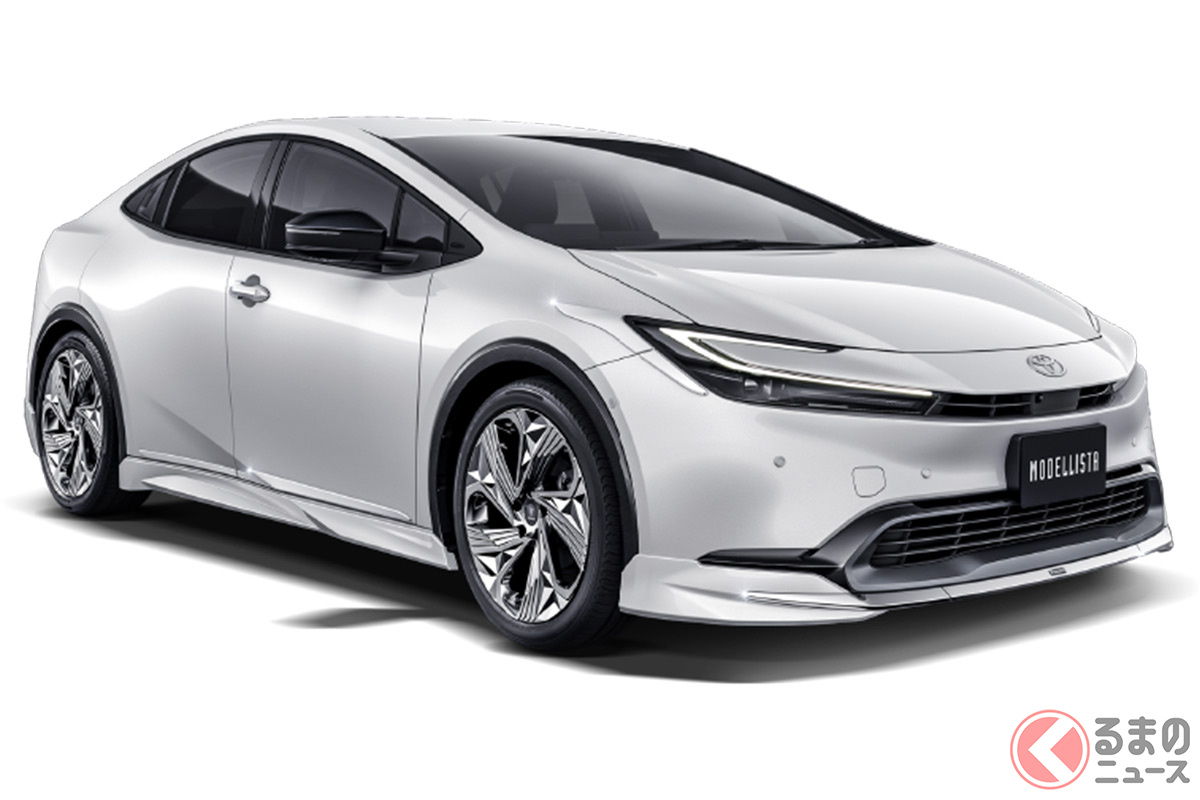
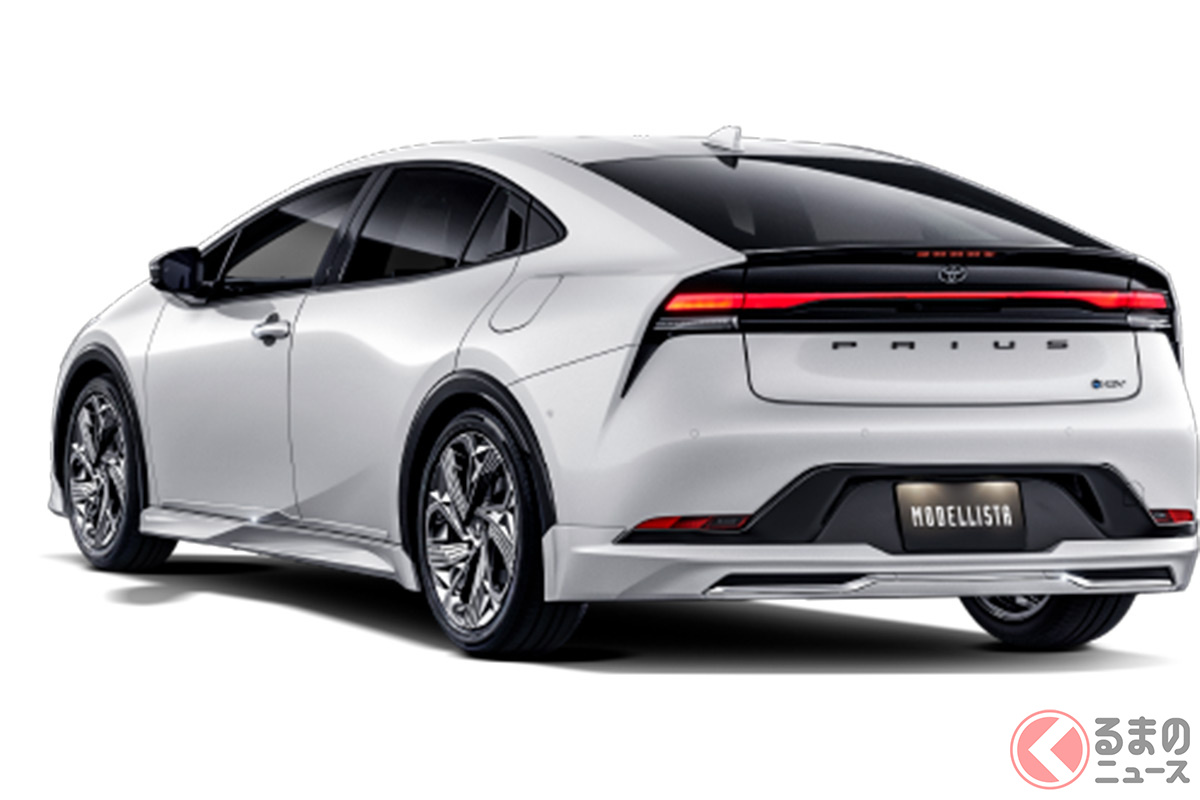
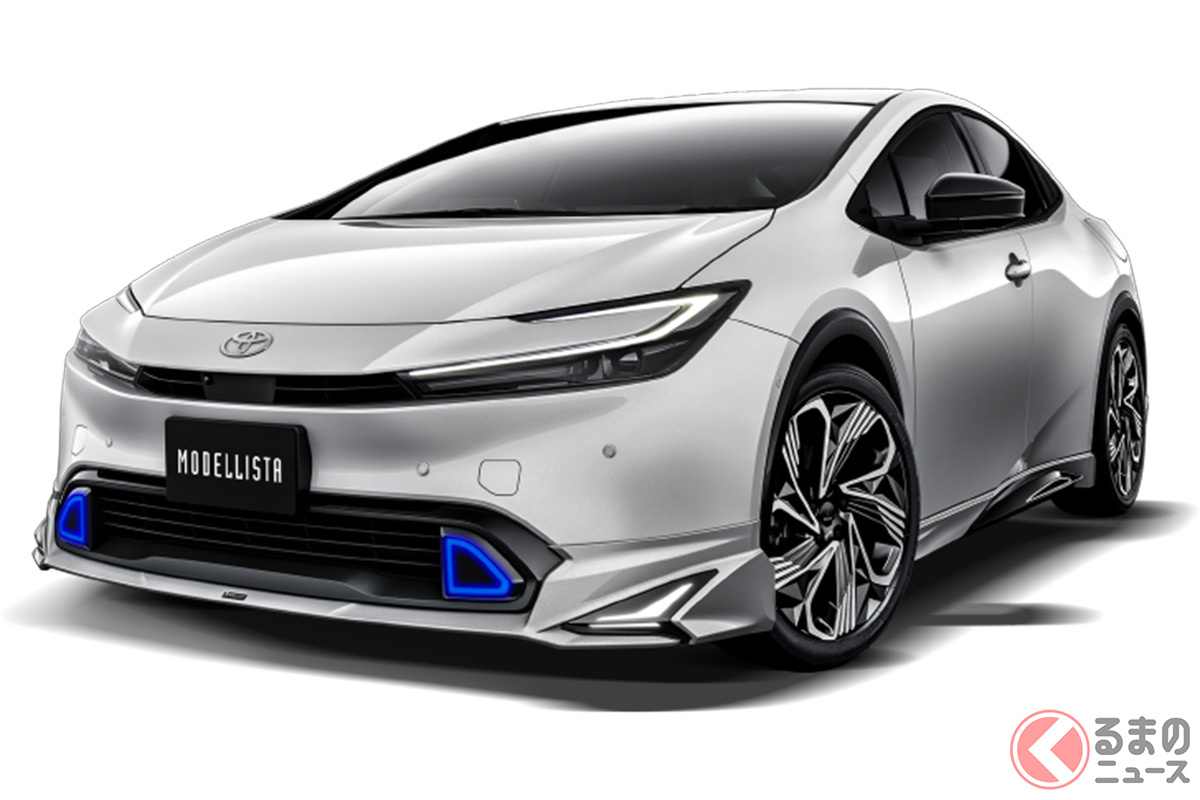
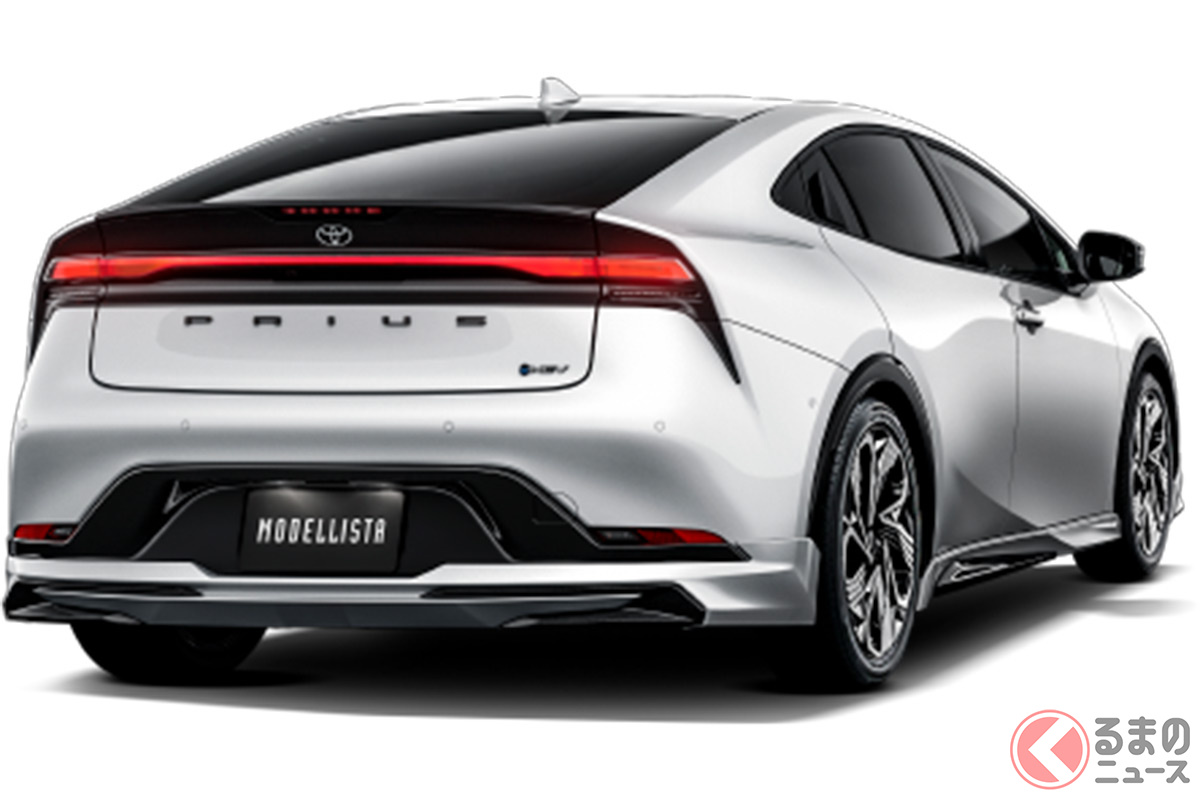
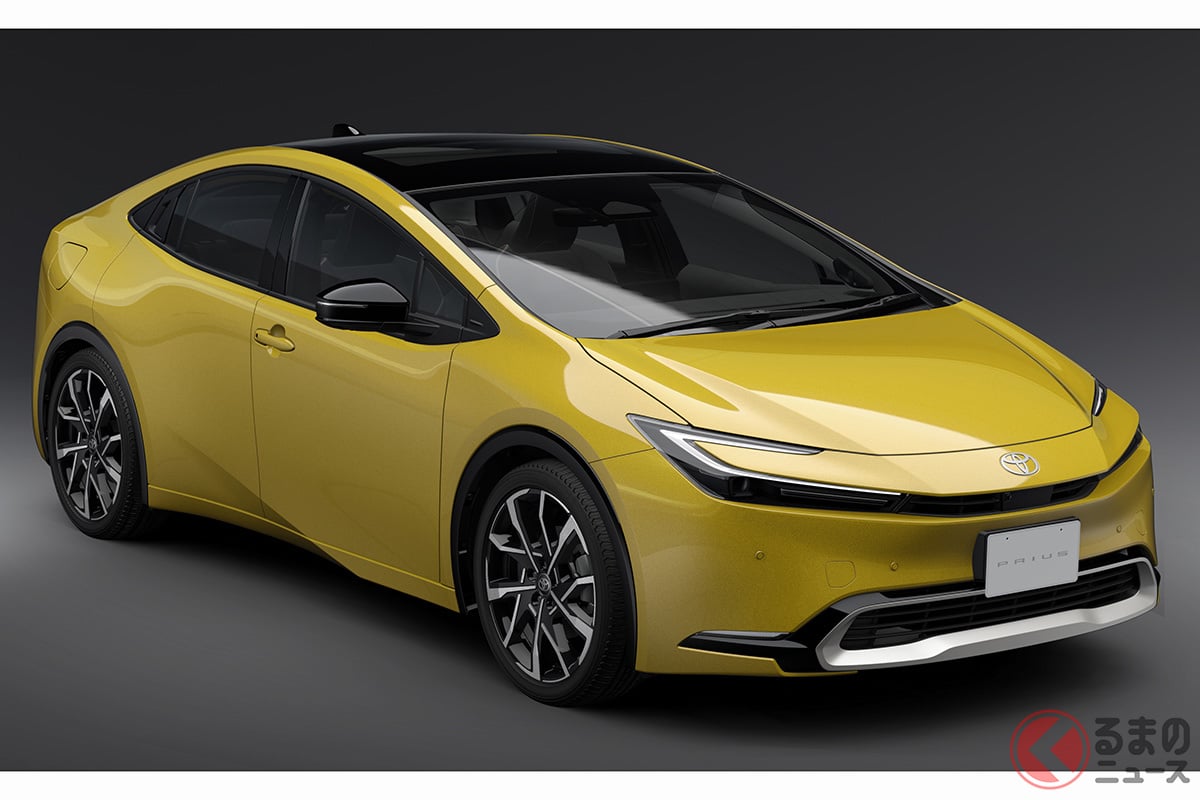
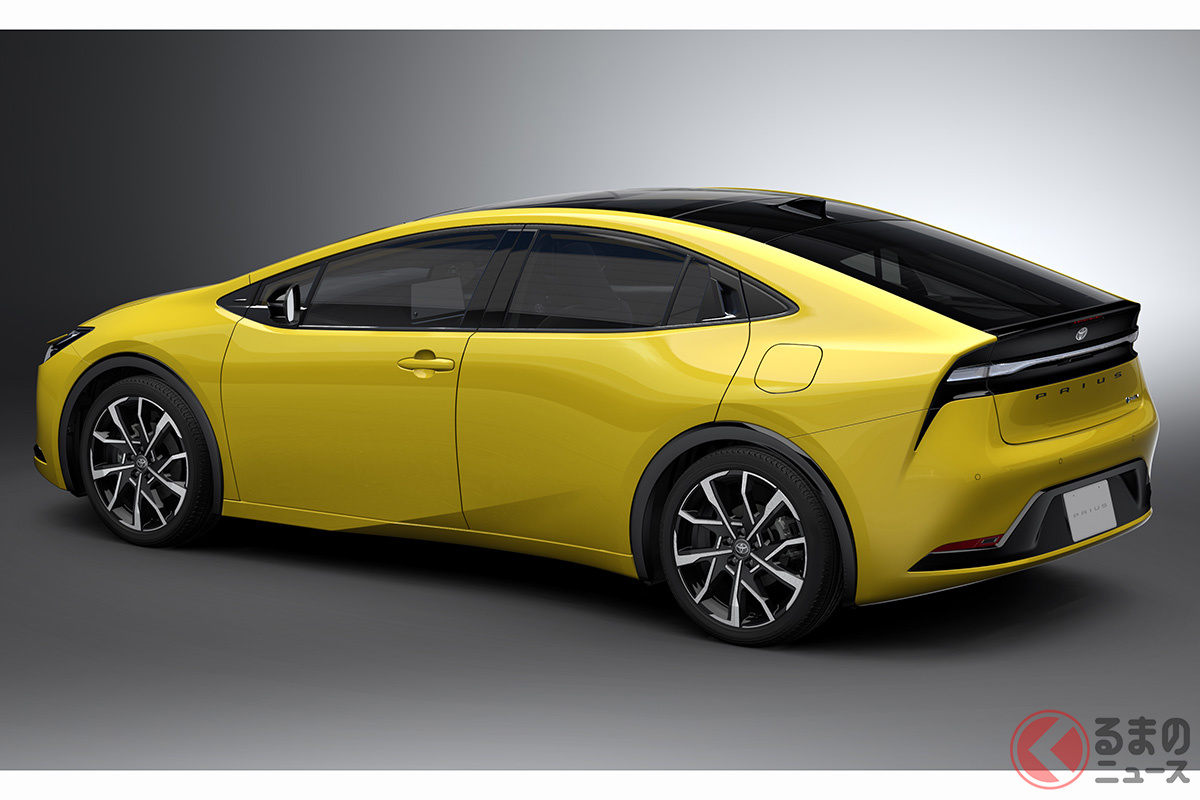
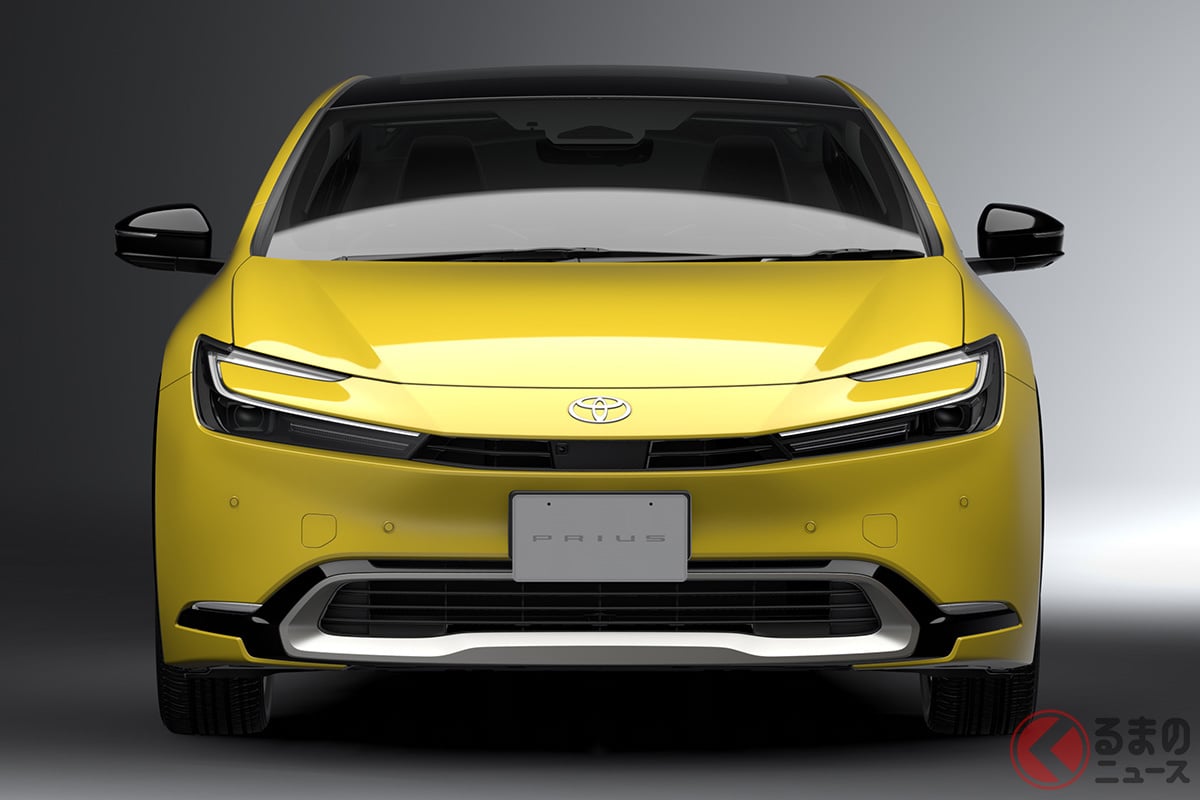
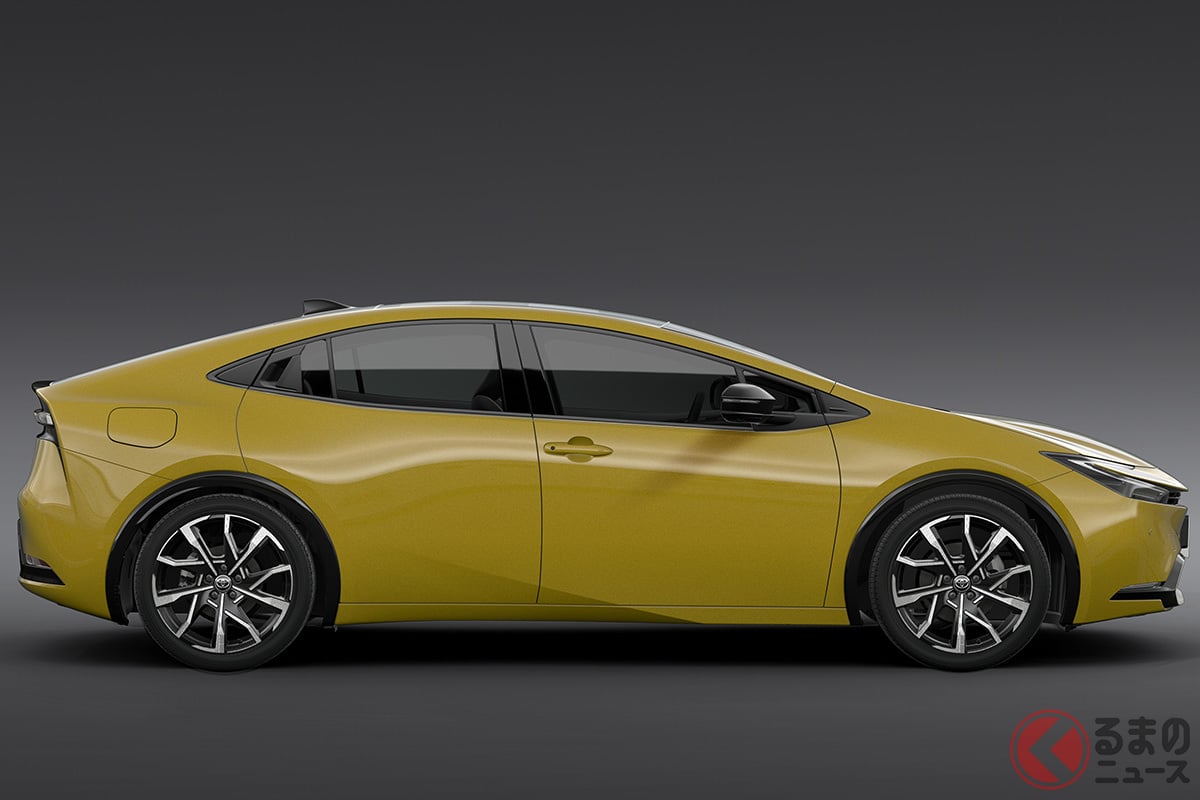
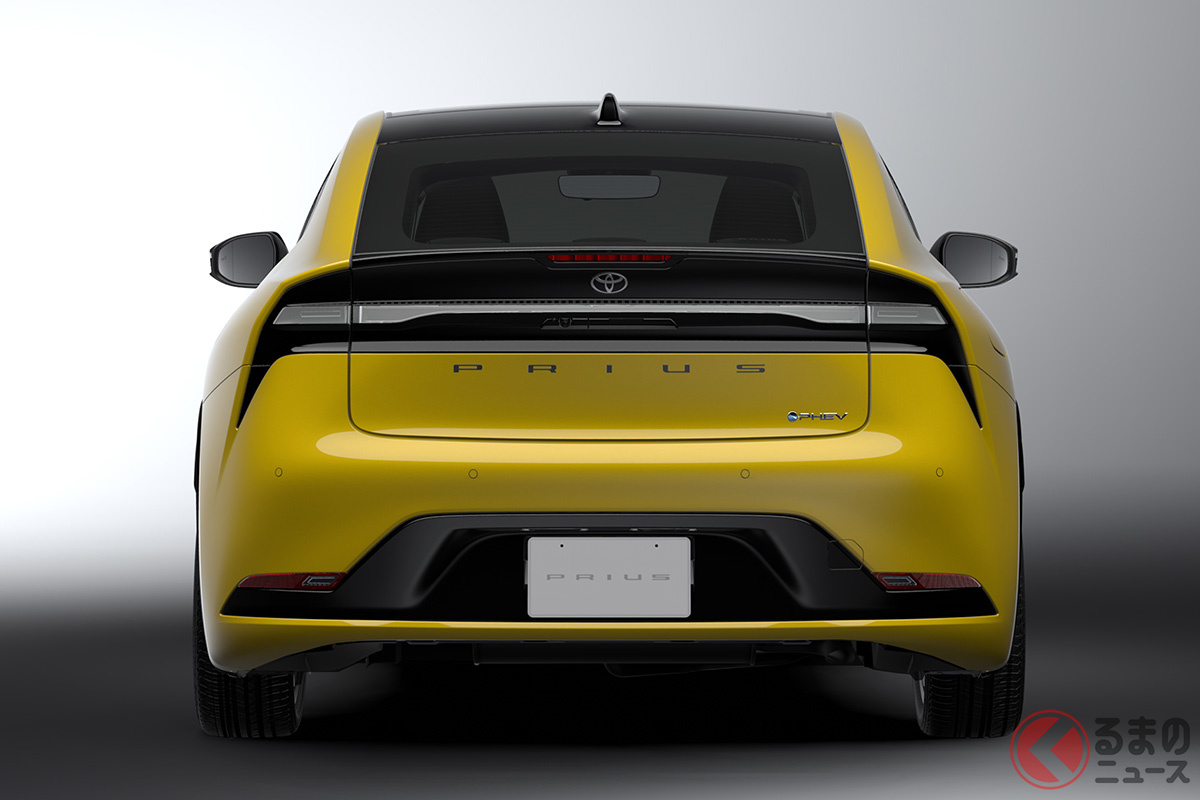
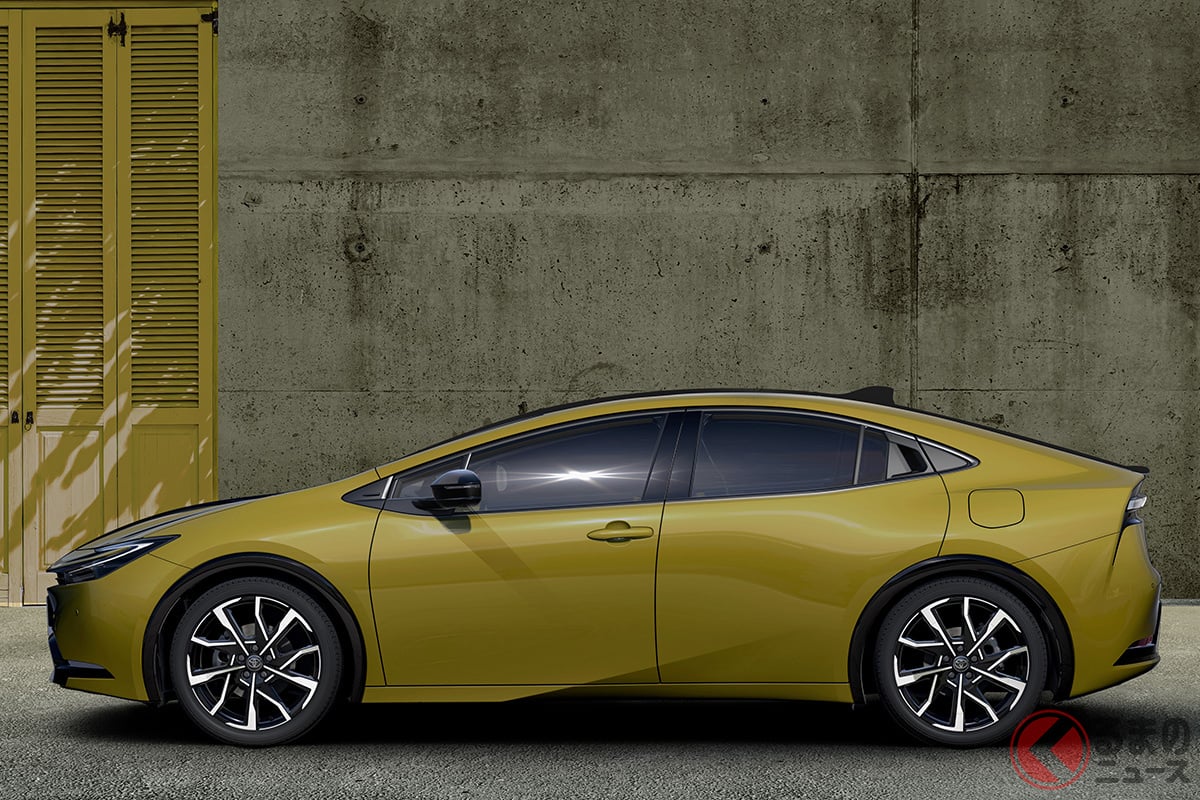
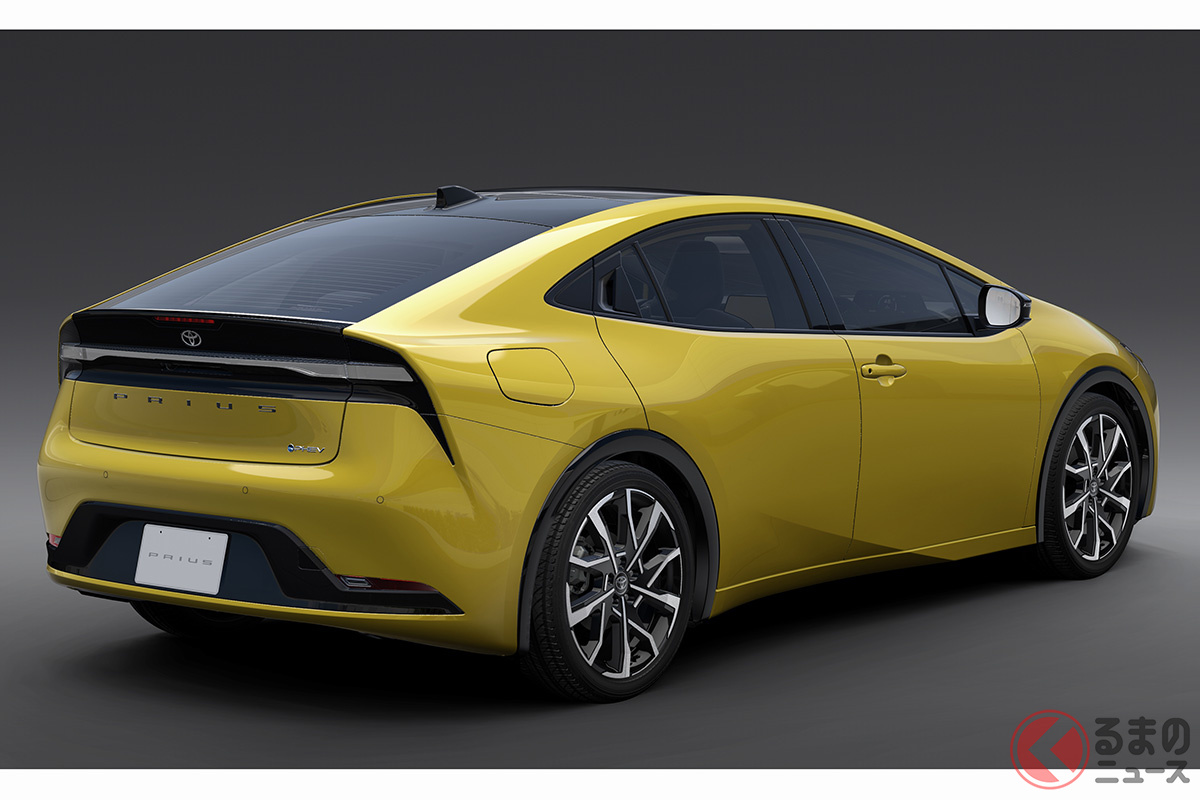
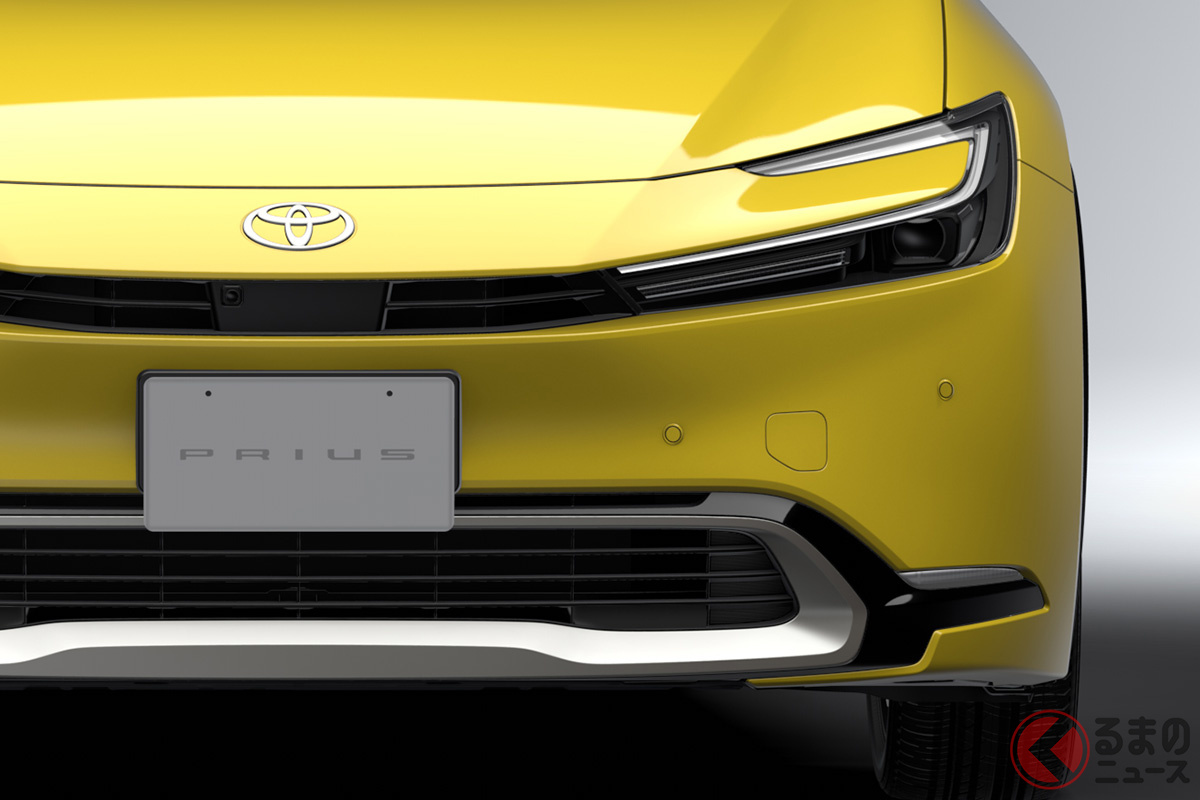
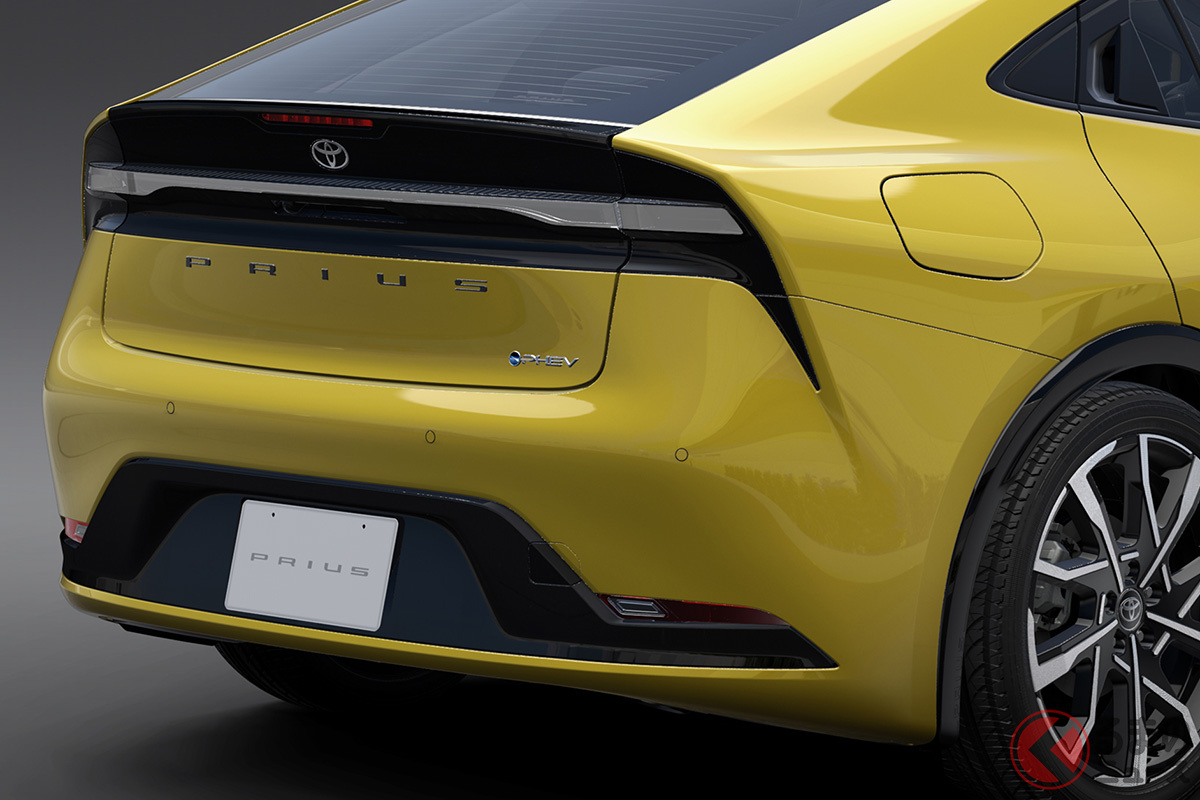
ByPawaniOn September 8, 2023, M’s Speed, a renowned developer and manufacturer of aero parts, made an exciting announcement regarding the pricing of their unique aerodynamic accessories for the latest Toyota Prius. The “Prius,” which has been reimagined with a “powerful aero specification,” is set to captivate car enthusiasts with its innovative features.
The Toyota Prius, initially introduced in 1997, revolutionized the automotive industry as the world’s first mass-produced hybrid car. Celebrating its 25th anniversary in 2022, the new fifth-generation Prius not only upholds its legacy of environmental performance but also boasts a captivating design and an enthralling driving experience.
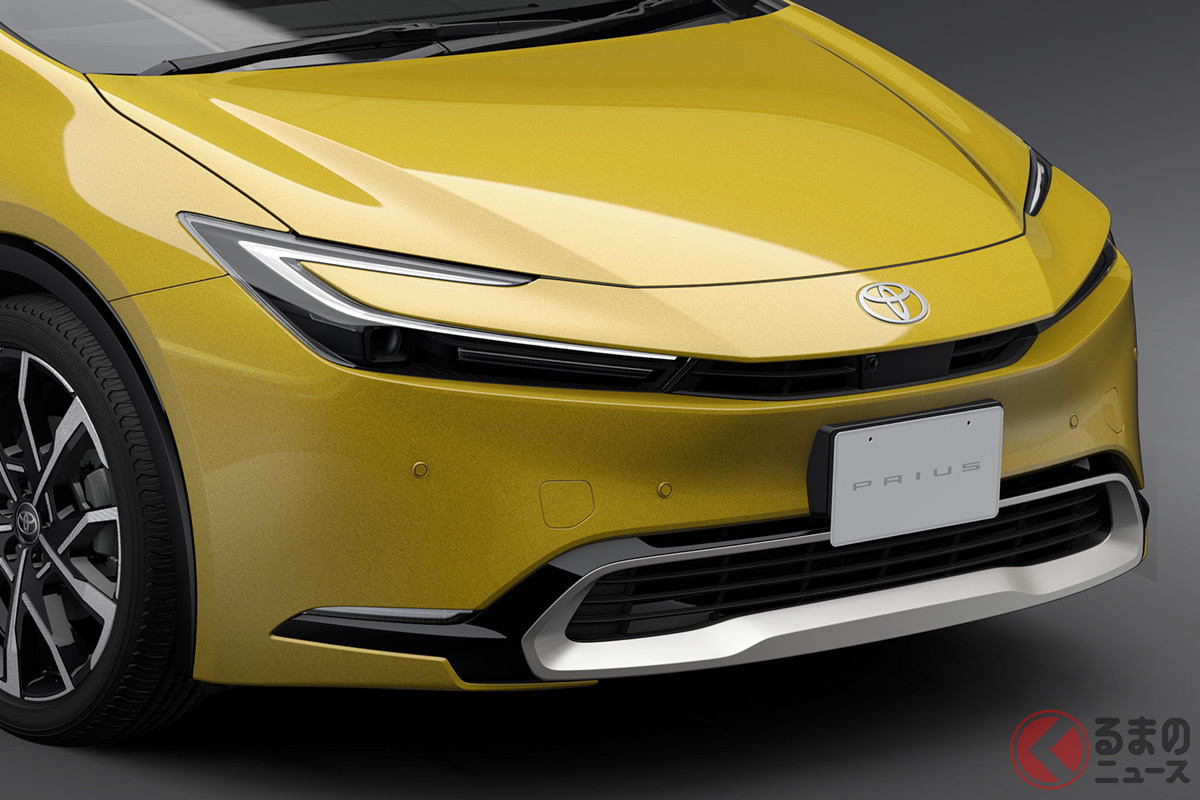
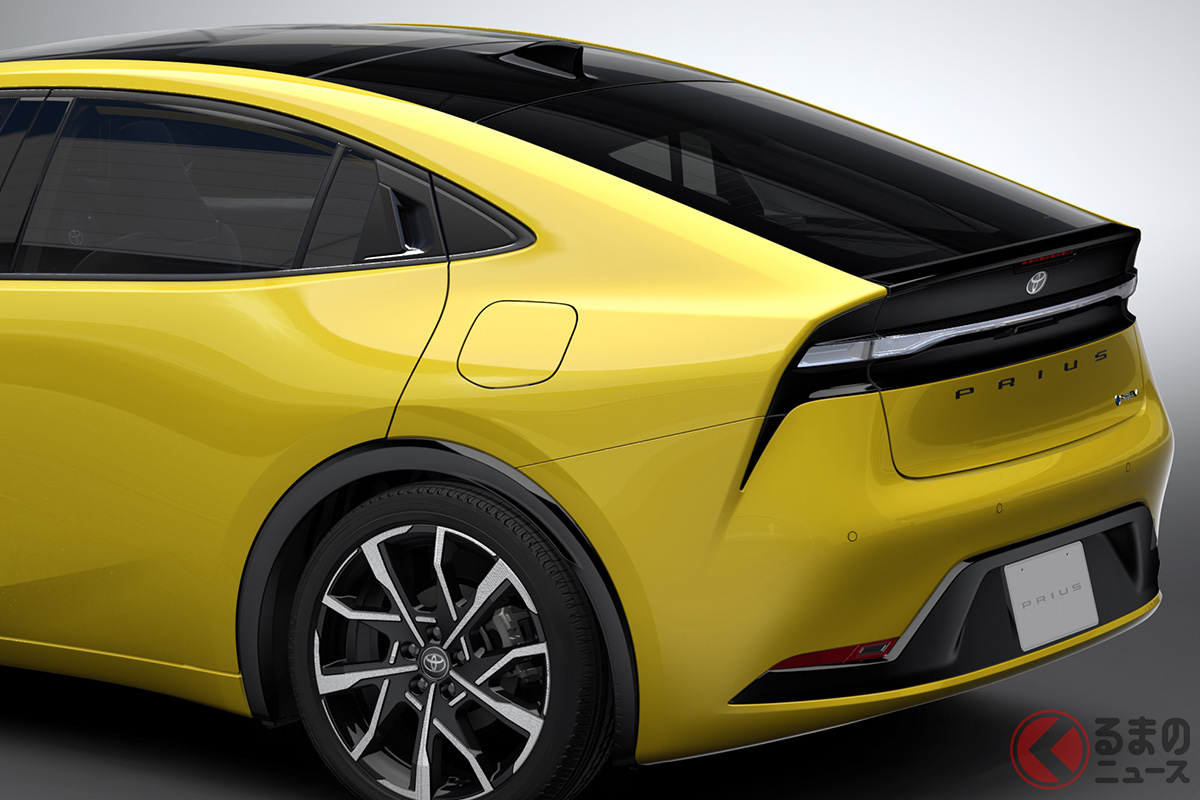
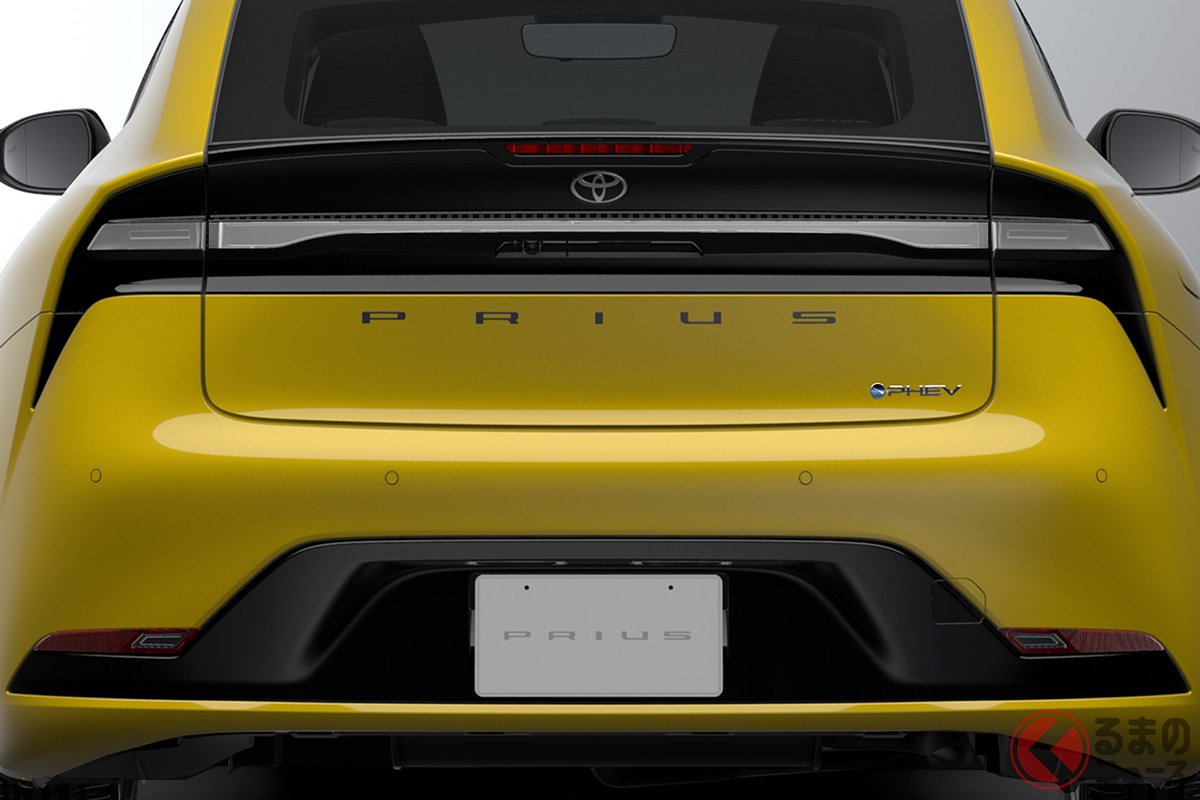
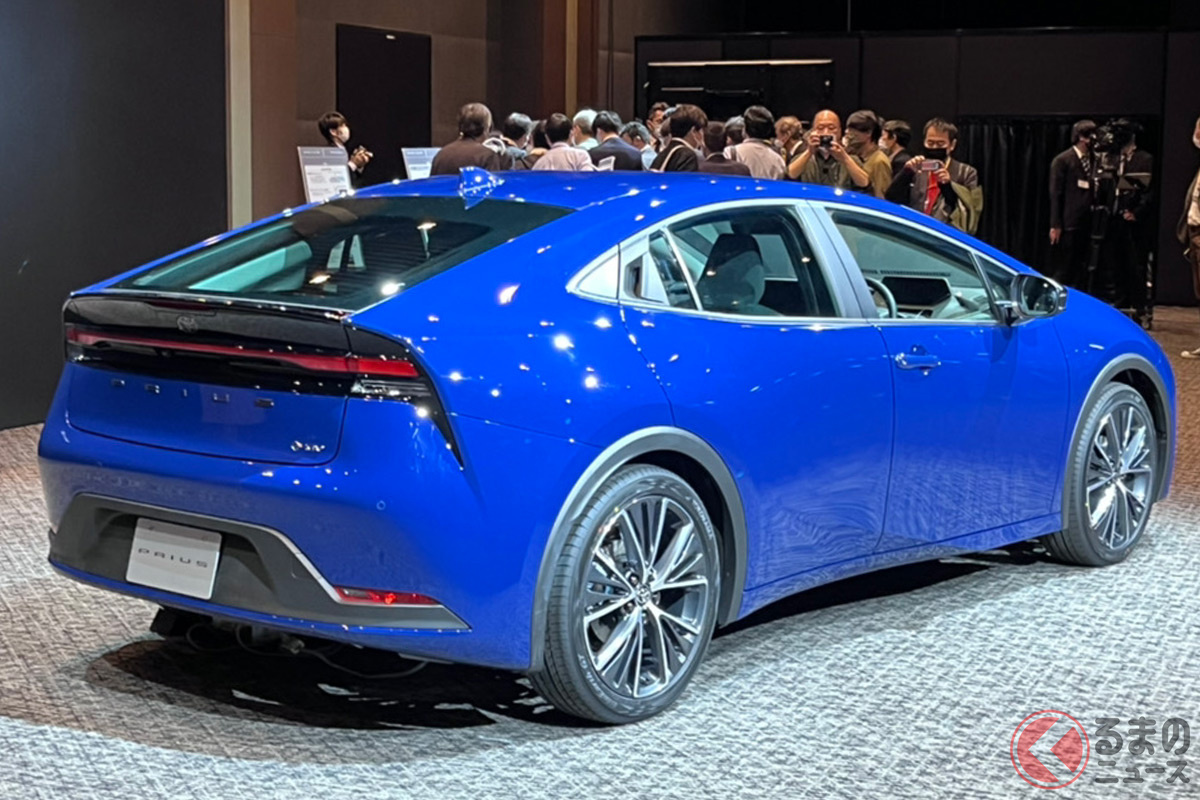
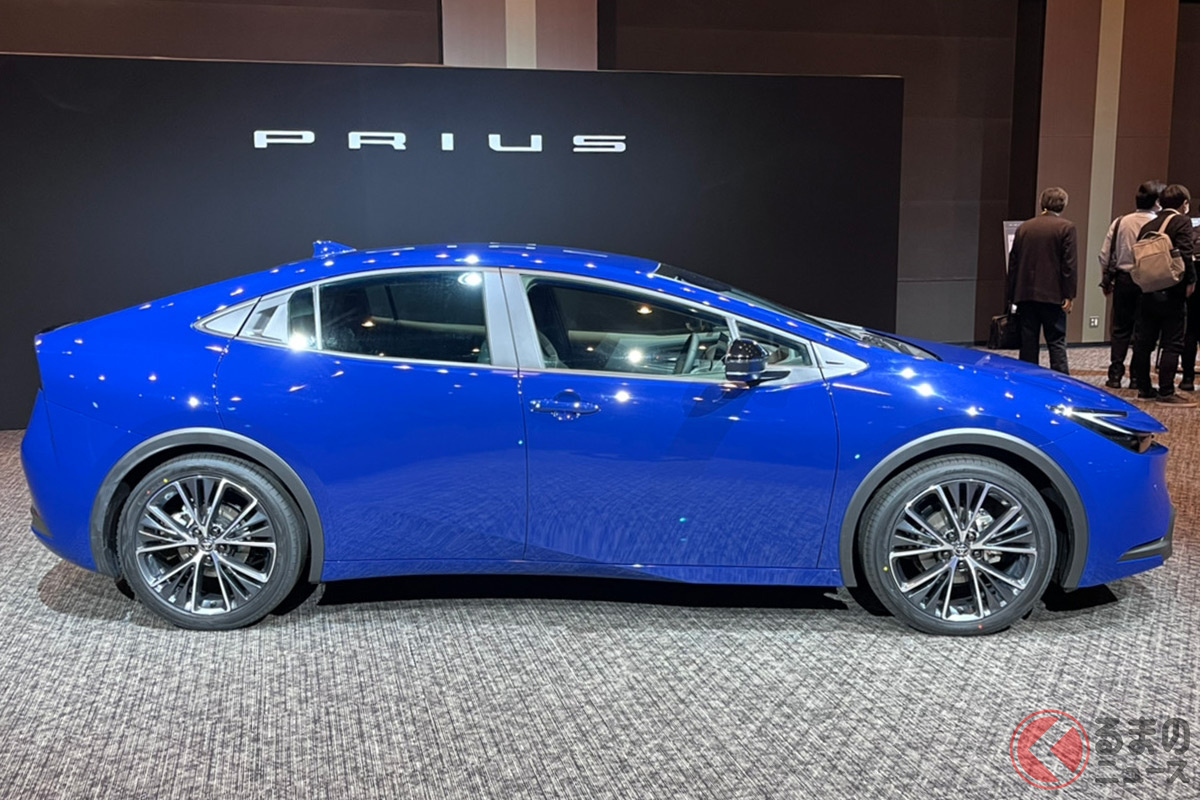
The exterior of the new Prius maintains the iconic “monoform silhouette” that is synonymous with the model while incorporating the second-generation TNGA platform. This advancement results in a lower center of gravity and the use of large 19-inch tires, along with the striking hammerhead design, shared with the latest Toyota vehicles, providing a sporty and stylish aesthetic.
Inside, the interior has been meticulously designed with a streamlined, advanced, and sporty finish. The Prius is available with three powertrain options: a 1.8-liter engine, a 2.0-liter engine paired with a hybrid system (HEV), and a 2.0-liter engine with a plug-in hybrid system (PHEV). Notably, the 2.0-liter HEV model delivers a remarkable maximum output of 193 horsepower, a significant 1.6 times more than the conventional model, while the PHEV model achieves a maximum system output of 223 horsepower, accelerating from 0 to 100 km/h in a mere 6.7 seconds. These enhancements result in a more spirited and sporty driving performance.
M’s Speed, renowned for its high-quality aero parts, has unveiled an array of options for the new Prius to further enhance its aesthetic appeal and aerodynamic performance. The following aero parts are now available:
Front Half Spoiler: 90,200 yen (44,000 yen unpainted)
Side Step: 151,250 yen (96,250 yen unpainted)
Rear Under Spoiler: 101,200 yen (52,800 yen unpainted)
Front Grill Garnish: 71,500 yen (49,500 yen unpainted)
Rear Gate Spoiler: 63,250 yen (41,250 yen unpainted)
Door Mirror Cover: 53,460 yen (31,460 yen unpainted)
Pillar Panel: 12,375 yen
The addition of these aero parts not only enhances the Prius’s visual appeal but also contributes to its aerodynamic efficiency. Additionally, to complete the sporty look, M’s Speed has showcased a fully installed demo car, featuring 20-inch “JJ Launcher” wheels in the footwell, elevating the car’s aesthetic and delivering a more potent and dynamic impression.With these exciting offerings, the new Toyota Prius emerges as a powerful and stylish choice for eco-conscious drivers who appreciate the fusion of aesthetics and high-performance, setting a new benchmark in the world of hybrid cars.
The predecessor “Vezel” has evolved independently and emphasized black!Honda’s new SUV “VE-1 Magic Knight” specification announced in China!
“The previous generation “”Vezel”” has undergone a unique evolution, emphasizing the black color! Honda’s New VE-1 Magic Night SUV Specification Unveiled in China!
On September 1, 2022, Honda’s Chinese joint venture, Guangqi Honda Automobile, announced the 2023 VE-1 SUV. The “”Magic Night Edition”” and “”Magic Night Deluxe Edition”” special editions are said to be available, but what kind of model is it?
Even the emblem is black! New VE-1 Magic Night Edition SUV in 29 images
The VE-1 Magic Night Edition was unveiled by Guangqi Honda Automobile Co.
The VE-1 is an SUV-type EV jointly developed by Honda R&D (China) Co. and Guangqi Honda Automobile Co.
The exterior design is based on the design of Honda’s first-generation “”Vezel”” and incorporates unique design features in the front and rear, including a front bumper with a powerful design that stretches from side to side.
The new “”VE-1 TA”” model launched this time has an extended cruising range on a single charge. The new “”VE-1 TA”” extends the range of the latest model in the VE-1 series, the “”VE-1+,”” from 470 km to 480 km, while consuming less than 14 kWh of energy per 100 km.
The specifications of the on-board motor are maximum output of 120 kW (approx. 163 ps) and maximum torque of 280 Nm. Four driving modes are available: Comfort mode, Sports mode, Regenerative Strong mode + Comfort mode, and Regenerative Strong mode + Sports mode, which can be selected according to driving conditions.
The interior is newly equipped with a 12.3-inch LCD display that allows the driver to check the charging status as well as navigation and multimedia functions. In addition, red and blue ambient lights with nine levels of brightness adjustment are available.
Tires with excellent rolling performance and quietness have been adopted to enhance the quietness of the cabin.
In addition, it is compatible with WOW STATION, an online service linked to smartphones. The application allows users to check the vehicle status and remotely control the air conditioning.
As for body and interior colors, white and emerald green have been added as new colors, as well as yellow and blue leather accents for the interior.
The price of the new VE-1 TA will be set at 174,800-184,800 yuan (about 3.02-3.19 million Japanese yen).”
Audi Japan introduces e-tron qualification certification system … Trains EV sales specialists
“Audi Japan Introduces e-tron Qualification System…Training EV Sales SpecialistsJun 15, 2022 (Wed) 17:30
On June 15, Audi Japan announced the introduction of the e-tron Qualification Certification System to train specialists in electric vehicle (EV) sales.
The automotive industry is undergoing a once-in-a-century transformation due to the shift to electrification. In line with this shift, EV sales are now required to have the ability to explain and make proposals in an easy-to-understand manner with comprehensive knowledge of unique charging mechanisms and subsidies. With the introduction of the e-tron certification system, Audi Japan aims to further improve its services by ensuring that its sales staff has the necessary knowledge for EV sales and can make accurate proposals in response to customer requests. The certification system consists of two levels: e-tron Sales Consultant and e-tron Specialist.
The e-tron Sales Consultant certification is designed to provide the knowledge necessary to sell Audi’s e-tron EV and to be able to make accurate proposals to customers. It takes four to five months from the start of training to certification. The training includes in-depth knowledge of the product, charging and infrastructure, sales processes, and other EV-related topics, followed by an examination to confirm mastery and case studies. As Audi’s own qualification certification system, the development training started in May 2022.
Meanwhile, the e-tron Specialist is a fixed-term qualification for qualified e-tron Sales Consultants, who, as EV experts and specialists who keep abreast of the latest information on the industry and systems, are responsible for providing guidance to e-tron Sales Consultants at each Audi e-tron store. He is also responsible for providing guidance to the e-tron sales consultants at each Audi e-tron store. The certification is scheduled to begin in the fourth quarter of 2022, when the Q4 e-tron is scheduled to be introduced.
Through the e-tron certification system, Audi Japan will build a strong sales structure as part of its electrification strategy, and as a premium EV brand, Audi Japan will strengthen its support system to enable customers to purchase and own Audi EVs with peace of mind.
“